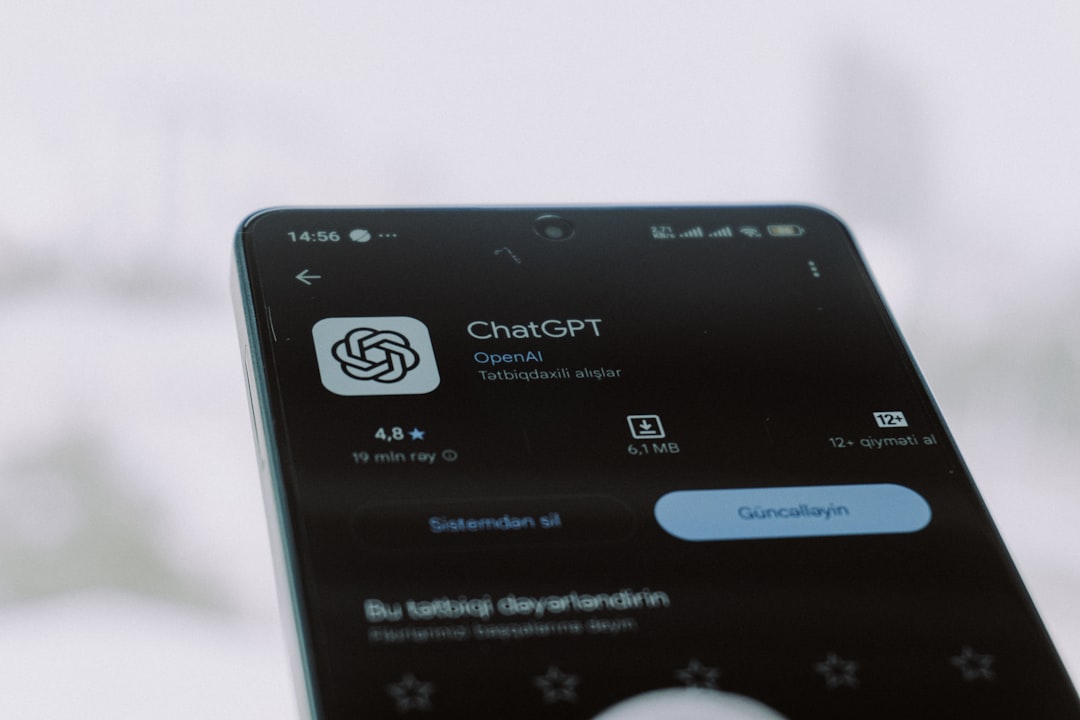
Anthropic's Claude AI app hit number one on Apple's App Store this week, and it's not because of a flashy new feature or viral marketing campaign. It's because the company said no to the Pentagon.
While OpenAI signed a contract to provide AI services to the Department of Defense, Anthropic declined similar offers, citing concerns about developing AI for military applications. The response from users was immediate and measurable: downloads surged, and Claude climbed past ChatGPT to claim the top spot in the free apps chart.
This is remarkable for two reasons. First, consumer activism in tech typically involves Twitter threads and think pieces, not actual behavior change. People love to complain about tech companies on the platforms owned by those same companies. But here, users are actually switching products based on corporate ethics.
Second, this suggests the AI ethics debate has broken out of academic circles and into mainstream consciousness. A year ago, most people couldn't tell you the difference between OpenAI and Anthropic. Now they're making purchasing decisions based on which company is developing weapons systems.
The technology is impressive. The question is whether anyone needs it - and increasingly, whether anyone wants it used for military purposes. OpenAI argues they can help with defensive applications and cybersecurity. Fair enough. But the Pentagon doesn't hand out contracts for philosophical discussions about AI safety.
From a business perspective, Anthropic's stance is either brilliantly principled or commercially shrewd - possibly both. They're capturing users who are uncomfortable with AI militarization while their competitors race toward defense contracts. Whether this translates to long-term market share depends on how seriously users take these concerns six months from now.
But for today, at least, the market has spoken. And what it said is: ethics still matter, even in the age of AI.