
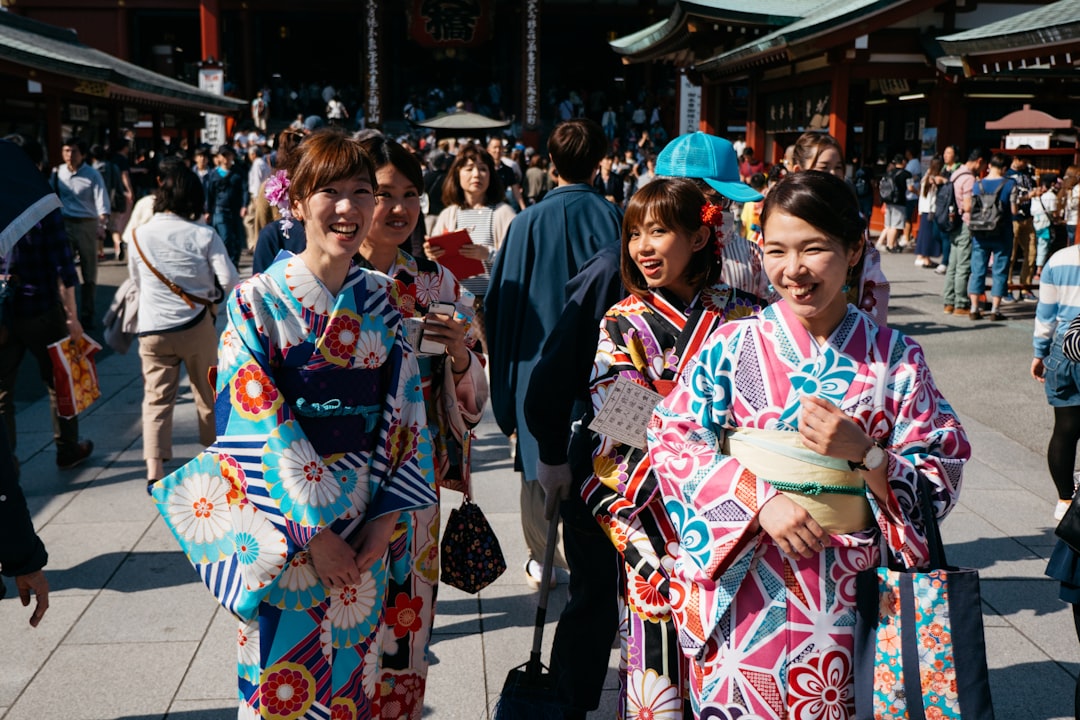
Despite geopolitical tensions between Beijing and Tokyo, a new generation of Chinese tourists is reshaping travel patterns to Japan, favoring immersive cultural experiences in regional cities over traditional shopping expeditions in Tokyo and Kyoto.
Overall Chinese visitor numbers to Japan have declined sharply from pre-pandemic peaks, as travelers increasingly choose destinations in Southeast Asia and domestic options. However, those who continue to visit Japan represent a demographic shift that travel industry analysts describe as "true fans" with deeper engagement and repeat visits.
"Politics doesn't matter, and Japan has unique attractions," said a company worker in his 20s from Beijing, interviewed by the Mainichi Shimbun. His sentiment reflects a generational divide in Chinese travel preferences.
From Ginza to the Regions
The archetypal Chinese tour group, once synonymous with luxury shopping in Ginza and packed temple visits in Kyoto, has given way to independent young travelers seeking what industry observers call "experience-based consumption."
Conversations with Chinese travelers reveal marked interest in regional destinations including Tohoku, Hokuriku, and Kyushu. These areas offer cultural authenticity, seasonal festivals, and outdoor activities that appeal to tourists seeking experiences rather than branded goods.
Japanese regional tourism boards have responded by developing Chinese-language materials and training staff to accommodate this demographic. Kanazawa in Ishikawa Prefecture reported a 40% increase in individual Chinese visitors in 2025, even as overall Chinese tourist numbers nationwide declined.