
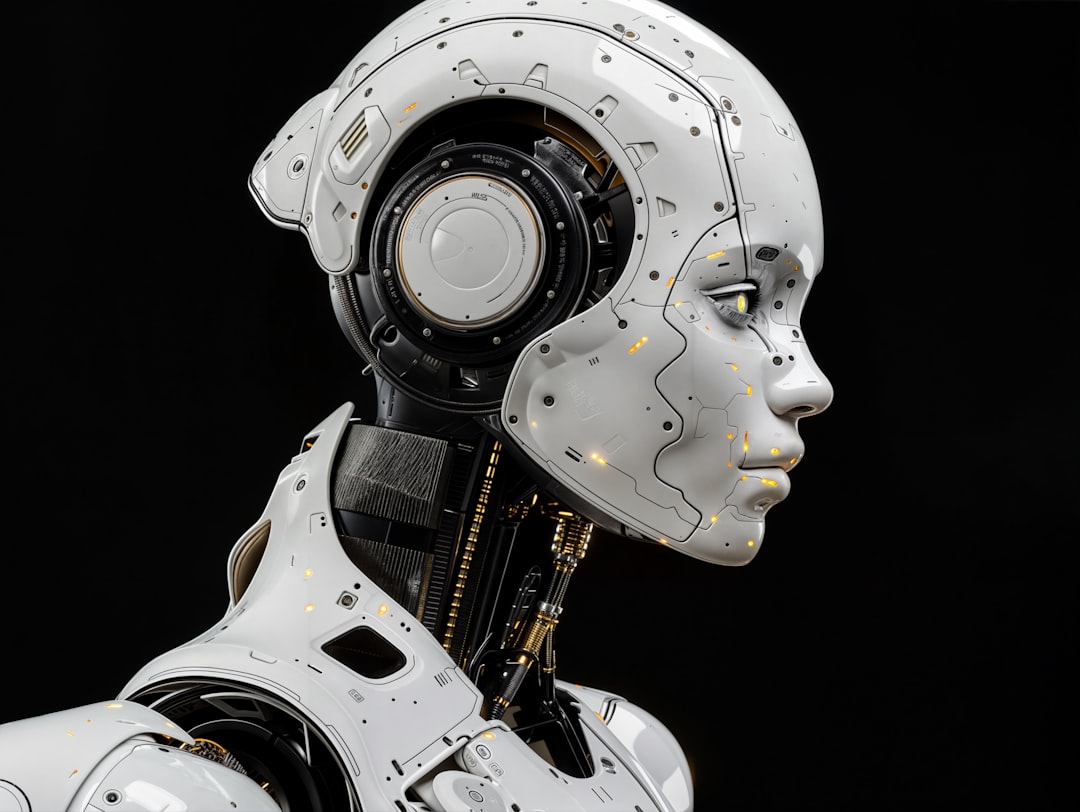
When humanoid robots performed martial arts choreography during China's Spring Festival Gala last week, the event represented more than entertainment—it demonstrated how Beijing uses cultural programming to advance industrial policy goals. Within minutes of the broadcast, consumers across more than 100 Chinese cities purchased the robots, with high-end models priced at 630,000 RMB (approximately $87,000) selling out instantly.
The sales surge followed a coordinated showcase on state broadcaster CCTV's annual gala, China's most-watched television program with an audience exceeding 700 million. According to JD.com, one of China's largest e-commerce platforms, robot-related searches increased 300 percent during the two-hour broadcast window, while customer inquiries jumped 460 percent and order volume rose 150 percent.
The Galbot G1 humanoid—the $87,000 model—saw initial stock depleted within minutes, with nearly 300 additional units added to shopping carts overnight. The factory scrambled to adjust production schedules to meet unexpected demand. Unitree, another manufacturer featured in the performance, similarly reported sold-out inventory across multiple product lines.
In China, as across Asia, long-term strategic thinking guides policy—what appears reactive is often planned. The Spring Festival Gala deployment reflects coordination between China's Ministry of Industry and Information Technology, state media apparatus, and domestic robotics manufacturers, all working toward objectives outlined in the country's 14th Five-Year Plan and the "Made in China 2025" initiative.
Beijing designated humanoid robotics as a strategic priority in late 2023, establishing development targets and directing provincial governments to create industrial clusters. Shenzhen, Shanghai, and Hangzhou have since launched robotics innovation zones with preferential policies for domestic manufacturers. The state television showcase represented the next phase: creating consumer awareness and domestic market demand.
This approach contrasts sharply with Western market dynamics. While American companies like Tesla rely on investor presentations and product demonstrations to build anticipation for humanoid robots like Optimus, Chinese manufacturers benefit from between media, e-commerce platforms, and manufacturing capacity. Tesla CEO has predicted humanoid robots could become but his company faces the challenge of building consumer markets without government amplification.