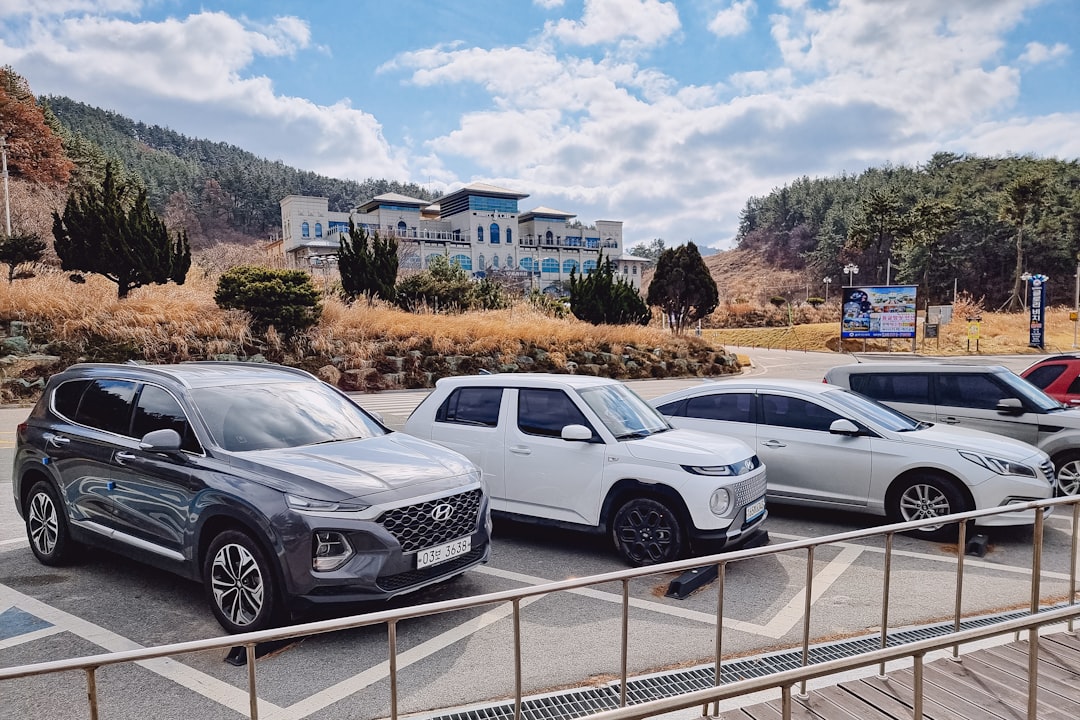
South Korea finds itself on the defensive in a sector it once dominated, as Chinese-manufactured electric vehicles now control 33.9% of the domestic EV market—a dramatic surge from just 4.7% in 2022 that underscores how rapidly China's automotive industry has reshaped Asian competitive dynamics.
The transformation reflects both Tesla's decision to manufacture vehicles in Shanghai for the Korean market and aggressive market penetration by Chinese brands like BYD, whose pricing strategies have proven difficult for Korea's traditional automotive giants to counter. The shift represents a particularly bitter pill for a nation that pioneered early EV adoption and built global brands around automotive excellence.
Seoul's response reveals the weaponization of industrial policy in the intensifying economic competition between Asian powers. The government will implement stricter subsidy criteria beginning in July, designed to favor domestically-produced vehicles over imports—a move that acknowledges Korean manufacturers cannot compete on price alone against China's scale advantages.
For Hyundai and Kia, the market share erosion hits particularly hard. These chaebol-affiliated manufacturers have invested billions in EV platforms and battery technology, positioning Korea as a leader in the electric transition. Yet they now face the same challenge confronting Western automakers: China's ability to produce competitive EVs at price points that reflect massive government support and manufacturing scale.
The Korean automotive industry's vulnerability stems partly from its premium positioning. While Hyundai's Ioniq line and Kia's EV6 have won international acclaim for design and technology, their pricing reflects Korean labor costs and brand premium. Chinese competitors, particularly BYD, can offer similar range and features at significantly lower prices—appealing to cost-conscious Korean consumers despite traditional brand loyalty.
Tesla's Shanghai production adds complexity to the competitive landscape. Korean consumers purchasing Teslas contribute to the Chinese manufacturing share, even as they believe they're buying an American brand. This reflects how supply chain realities increasingly diverge from brand nationality—a disconnect that complicates industrial policy responses.
The government's subsidy restructuring faces delicate calibration. Too aggressive, and Korea risks trade disputes with China and accusations of protectionism that could invite retaliation. Too timid, and domestic manufacturers continue losing ground in their home market—undermining Korea's broader industrial policy goals around maintaining automotive competitiveness.
Industry analysts suggest the subsidy changes may slow but not reverse Chinese market share gains. Korean manufacturers need breakthrough innovations in battery efficiency or cost reduction to compete on fundamentals rather than government support. The chaebol research apparatus focuses intensely on solid-state batteries and next-generation platforms, but commercial viability remains years away.
The automotive sector's challenges mirror broader Korean economic anxieties about competing with China across manufacturing sectors. In semiconductors, displays, shipbuilding, and now vehicles, Chinese competitors combine state support with improving technology to challenge Korean dominance. Each sector's defense requires different strategies, straining Korea's industrial policy resources.
For Korean consumers, the influx of Chinese EVs represents opportunity and dilemma. Lower prices accelerate EV adoption and reduce carbon emissions—government policy goals. Yet each purchase potentially undermines domestic employment and technological leadership. This tension between consumer welfare and industrial policy pervades Korean economic debates.
The 33.9% market share figure represents a watershed moment. Just four years ago, Chinese EVs were marginal players in Korea's automotive market. The speed of transformation demonstrates how quickly competitive advantages can erode when rivals achieve manufacturing scale and technological capability, forcing even advanced economies like Korea to deploy defensive industrial policies to protect core industries.
In Korea, as across dynamic Asian economies, cultural exports and technological leadership reshape global perceptions—even as security tensions persist. The automotive sector's transformation shows how quickly competitive advantages can erode when rivals achieve manufacturing scale and technological capability, forcing even advanced economies like Korea to deploy defensive industrial policies to protect core industries.