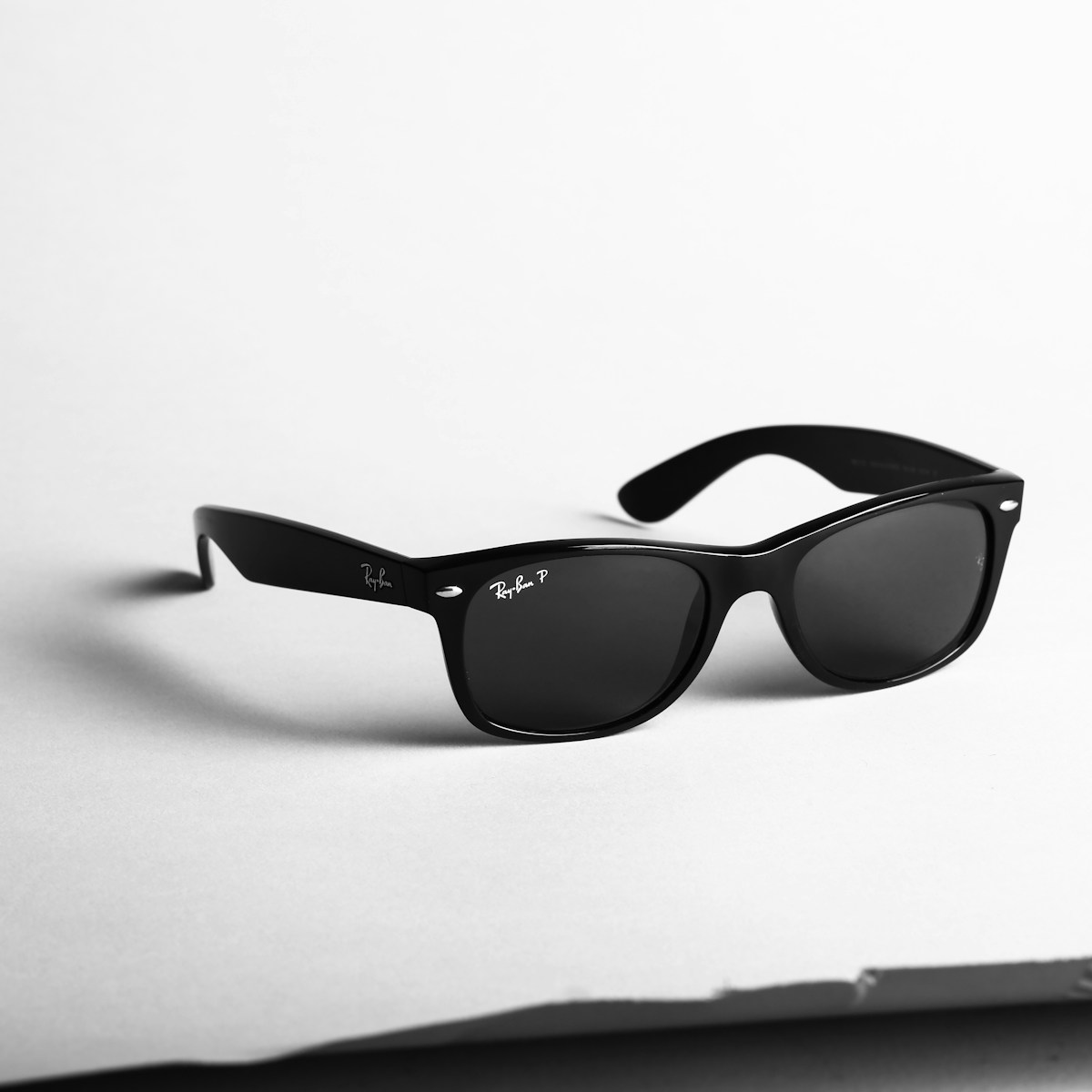
While Meta charges $300+ for Ray-Ban Meta smart glasses that can take photos and answer questions, Chinese manufacturers are shipping devices with better features, longer battery life, and dramatically lower prices.
And according to early reviews, they're actually better products.
The technology race for face computers isn't being won in Silicon Valley. It's being won in Shenzhen.
What China's Smart Glasses Offer
Several Chinese brands—including Xreal, Rokid, and Inmo—are producing smart glasses that outspec the Ray-Ban Meta collaboration at a fraction of the price.
Features include: - Actual AR displays (not just a camera and speaker like Ray-Ban) - Translation overlays in real-time - Navigation directions in your field of view - 8+ hour battery life (vs. 4 hours for Ray-Ban) - Prescription lens compatibility - Prices starting under $200
Some models include features that Meta clearly wanted to build but couldn't ship due to privacy concerns—like facial recognition that can identify people you've met before and display their names.
That's both impressive and deeply concerning, depending on your perspective on surveillance. But from a pure capability standpoint, Chinese manufacturers are shipping the sci-fi future that American companies are still demoing.
Why China Is Winning Hardware
This isn't surprising if you've paid attention to consumer electronics over the past decade. China has become the dominant force in hardware manufacturing, and increasingly in hardware innovation.
The advantages are structural:
1. Manufacturing ecosystem: Proximity to suppliers, fabrication facilities, and assembly lines means faster iteration and lower costs 2. Lower regulatory barriers: Products can ship without the extensive privacy reviews and approval processes required in US and Europe 3. Aggressive pricing: Chinese companies can operate on thinner margins and prioritize market share over short-term profit 4. Vertical integration: Many Chinese tech companies control their entire supply chain
When Meta wants to iterate on smart glasses hardware, they're coordinating with Ray-Ban (owned by EssilorLuxottica), contract manufacturers, component suppliers, and multiple regulatory bodies. A Chinese startup can go from prototype to production in months.
The Privacy Tradeoff
The elephant in the room: Chinese smart glasses come with privacy implications that Western users should understand.
Many of these devices are designed for the Chinese market, where facial recognition, constant connectivity, and data collection are normalized in ways that would trigger backlash in US or Europe.
Some models require accounts with Chinese tech platforms. Some have unclear data handling policies. Some include features—like always-on recording or facial recognition databases—that would be illegal in many Western jurisdictions.
But here's the thing: Meta's glasses also raise privacy concerns. They record audio and video. They feed data to Meta's servers. They train AI models on your conversations.
The difference is mostly about which jurisdiction you trust more with your data: American tech companies subject to US law enforcement and intelligence agencies, or Chinese manufacturers subject to Beijing's data governance.
Neither is obviously better. It's picking your poison.
The Bigger Picture: Hardware Innovation
This is part of a larger trend. China isn't just manufacturing gadgets designed in California anymore. They're designing and innovating.
- DJI dominates consumer drones - BYD is outselling Tesla in EVs - Xiaomi and Oppo make phones that rival Apple and Samsung - Chinese VR headsets undercut Meta Quest on price while matching features
The assumption that American companies lead in innovation while China copies is about a decade out of date. In hardware, China often ships first and ships better.
What This Means for Meta
Ray-Ban Meta glasses are a good first-generation product. They look like normal glasses. They integrate with Meta's AI. They have brand cachet from the Ray-Ban collaboration.
But "good first-generation product" doesn't win hardware markets. Being cheaper, better, and faster does.
If Chinese manufacturers can ship smart glasses with actual AR displays, better battery life, and half the price, Meta's product looks less like the future and more like a stepping stone that got leapfrogged.
Meta has advantages—software ecosystem, AI integration, brand trust in Western markets. But hardware is hard. And in hardware, execution matters more than vision.
The User Dilemma
If you're in the market for smart glasses, you face an awkward choice:
- Buy Ray-Ban Meta: More expensive, fewer features, but designed for Western privacy norms (sort of) - Buy Chinese smart glasses: Better specs, lower price, but privacy policies that may not align with your values
There's no clear "right" answer. It depends on what you value more: feature set or data governance.
But the fact that this is even a tradeoff reveals how far Chinese hardware has come. A few years ago, Western tech products were unambiguously better. Now they're often just different—and sometimes worse.
The technology is impressive. The question is whether Western companies can keep up without matching China's regulatory flexibility and manufacturing advantages.
Right now, the answer appears to be no. And that should worry anyone betting on American tech dominance.