
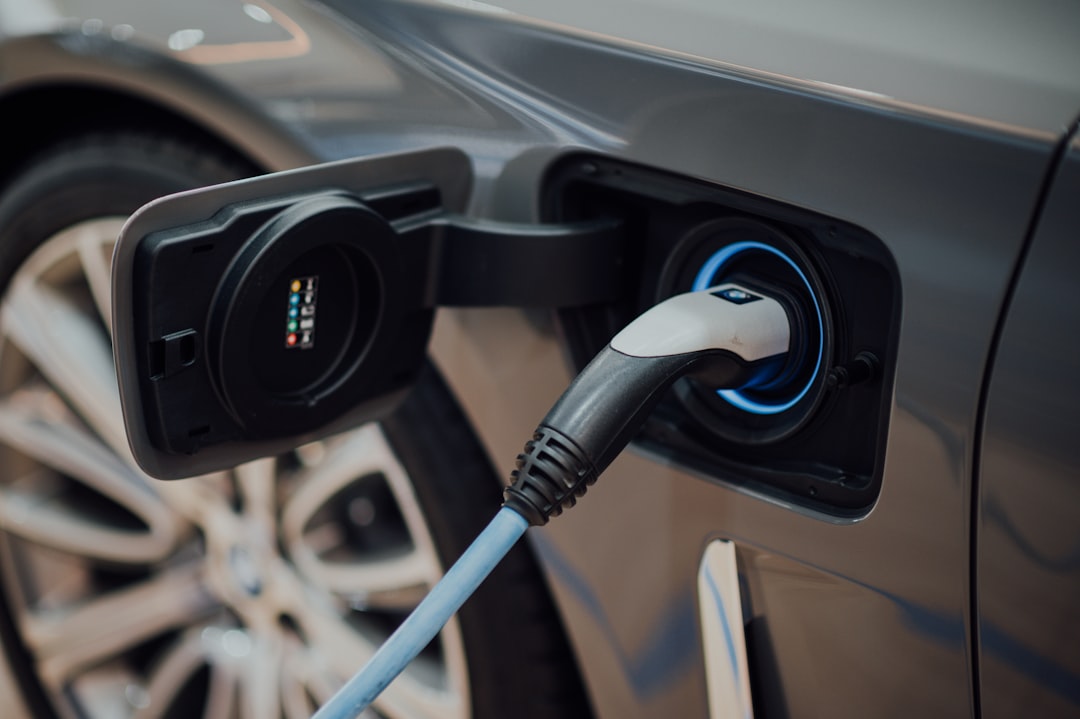
The numbers are staggering, and they're not projections. Between 2021 and 2023, China's massive transition to electric vehicles prevented approximately 337,000 deaths from air pollution—262,000 from non-accidental causes and 75,000 from all causes combined.
This isn't a theoretical model of what might happen if countries adopt EVs. It's hard evidence from the largest real-world test of electric vehicle adoption in human history.
The research, published in Nature, tracked air quality changes as China's EV fleet exploded from near-zero to millions of vehicles in just three years. By 2023, the transition had slashed PM2.5 particulate pollution by 23.80% (a reduction of 8.97 µg/m³) and carbon monoxide by 30.67% (0.26 mg/m³).
To put those numbers in context: that's roughly equivalent to removing every coal plant in several mid-sized countries.
The mechanism is straightforward. Internal combustion engines, particularly in congested urban areas, pump out microscopic particles and gases that penetrate deep into human lungs and bloodstreams. EVs, even when charged from coal-heavy grids, produce zero tailpipe emissions where people actually live and breathe.
Beijing, Shanghai, and Shenzhen saw the most dramatic improvements, with visible reductions in the persistent smog that had plagued these megacities for decades. Residents reported clearer skies. Air quality sensors confirmed it.
Now, there are important caveats. The study focused on urban air quality improvements, not the full lifecycle carbon footprint of manufacturing batteries or generating electricity. China's grid is still heavily coal-dependent, which means EVs there aren't as clean as they'd be in countries with renewable-heavy grids like Norway or Iceland.
But here's the critical finding: even with a dirty grid, the health benefits are immediate and massive. You don't need to wait for perfect renewable infrastructure to save lives. You just need to stop burning gasoline in the middle of cities where millions of people breathe the same air.