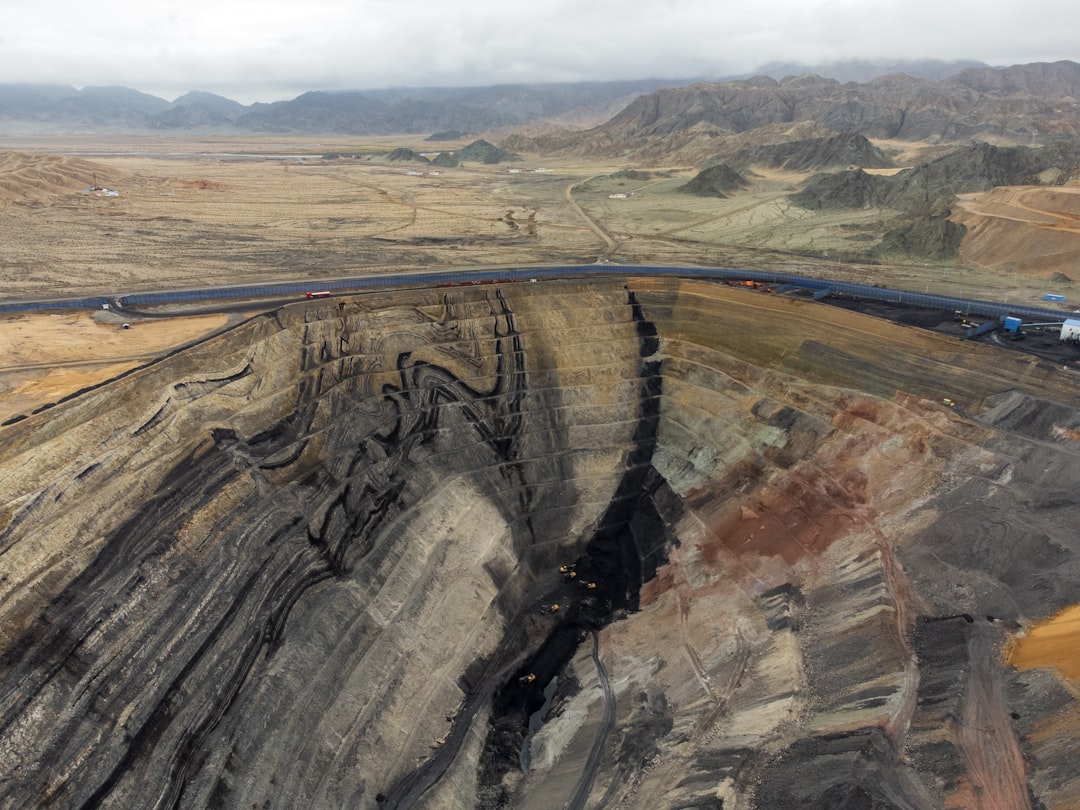
Breaking: Coking coal futures jumped 8.2% in early Asian trading following China's deadliest mine disaster in 17 years, sending shockwaves through global steel and construction markets.
The explosion at a mine in Shanxi province has killed at least 47 workers and shut down production across multiple facilities as authorities launch safety inspections. The mine produced approximately 2.4 million tons annually of metallurgical coal—the specialized grade used in steelmaking.
China accounts for 55% of global steel production, and coking coal is a non-substitutable input. The supply disruption hits as Chinese steel mills were already operating on thin inventories following earlier production cuts aimed at meeting emissions targets.
Benchmark Australian coking coal futures surged to $312 per ton, the highest level since October 2025. That represents a $23 increase in a single session—a move that will ripple through manufacturing costs worldwide within weeks.
"This is an immediate supply shock in a market with zero slack," says Marcus Chen, commodities analyst at Goldman Sachs. "Steel mills can't substitute away from coking coal. They either pay up or shut down blast furnaces."
The timing couldn't be worse for global manufacturers. U.S. construction firms are already grappling with elevated materials costs. The price spike in coking coal translates directly to steel beam and rebar costs, with impacts visible in 4-6 weeks as existing supply contracts roll over.
Chinese officials have ordered immediate safety reviews at all underground coal operations in Shanxi, Inner Mongolia, and Shaanxi provinces—the three regions that produce 70% of China's coking coal. Past precedent suggests such reviews typically idle 15-20% of production capacity for 2-3 months.
If that pattern holds, global markets face a 30-50 million ton shortfall in metallurgical coal over the next quarter. There's no ready substitute: Australia and Mongolia, the other major suppliers, are already running at capacity.
Steel futures are already pricing in the impact. Shanghai rebar futures rose 3.8% in sympathy with coal, and traders expect U.S. hot-rolled coil prices to follow within days. That feeds directly into construction costs, automotive manufacturing, and infrastructure projects.
Beyond the market impact, the human toll is staggering. China's coal mining safety record has improved dramatically over the past decade, but the industry remains one of the world's deadliest, claiming hundreds of lives annually in a sector that still employs over 3 million workers.
For now, global manufacturers are scrambling to secure supply at elevated prices. The numbers don't lie: when China's coal mines shut down, the world pays the price.