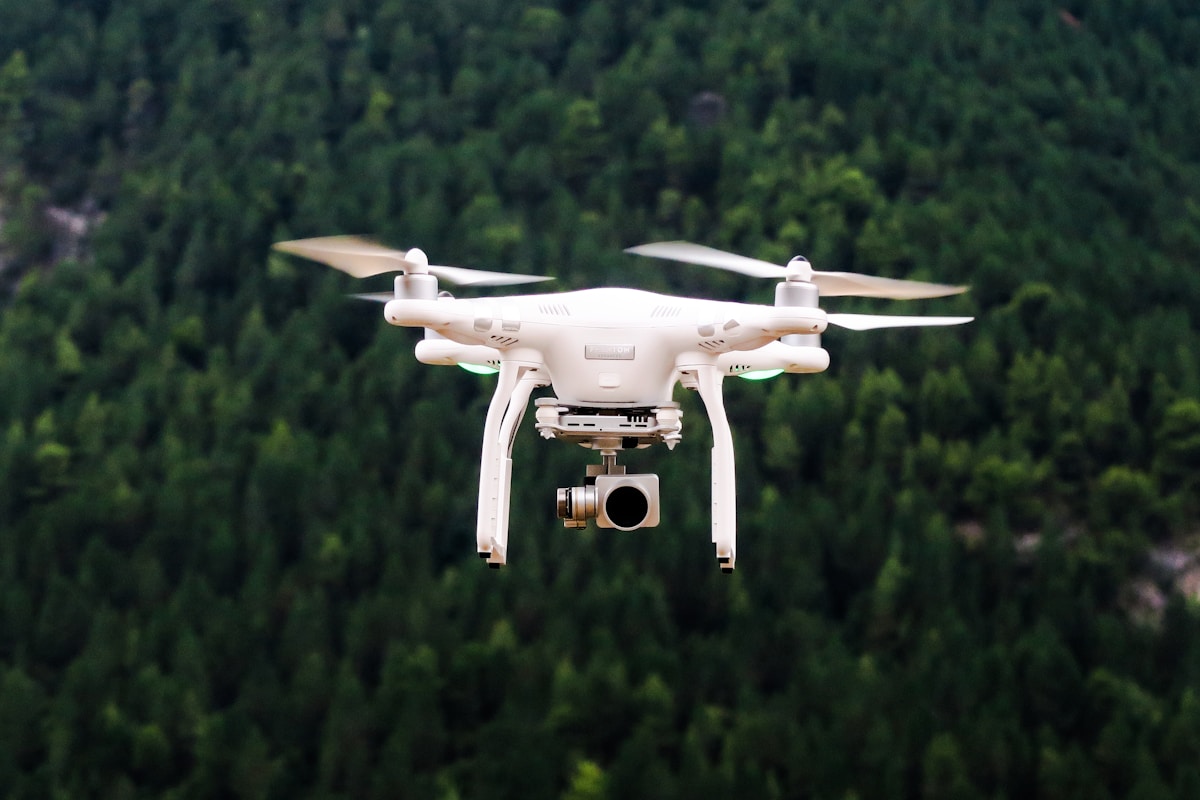
China demonstrated a 200-unit drone swarm that can operate autonomously even after losing communication with its human operator, using AI to coordinate individual units. The technology represents a significant advance in autonomous weapons systems that can make decisions without human oversight.
The system, revealed by the People's Liberation Army, features an "intelligent algorithm" that enables drone units to cooperate autonomously. A single soldier can control the entire 200-drone swarm, but critically, the drones continue coordinated operations even after losing contact with their operator.
This isn't a demo - it's operational military technology that can keep executing missions after the human controller is gone. When autonomous weapons can coordinate themselves, who's actually in command?
The capability addresses a fundamental challenge in drone warfare: communication vulnerability. Modern military operations assume that disrupting enemy communications will degrade their operational effectiveness. Jamming signals, destroying communication infrastructure, or creating electronic warfare environments all become less effective when the drones can think and coordinate on their own.
The distributed intelligence approach means the swarm doesn't require constant real-time control. Each unit makes local decisions while coordinating with nearby drones, reducing communication bandwidth requirements and increasing resilience against signal interruption.
From a military perspective, this is a force multiplier. A single operator controlling 200 autonomous units represents a radical shift in the human-to-firepower ratio. Traditional military doctrine assumes that reducing force sizes means reducing capability. Autonomous swarms break that assumption.
From an ethics perspective, this raises profound questions about autonomous weapons that can continue executing attack missions after losing human oversight. International humanitarian law requires meaningful human control over the use of force. When a drone swarm can operate independently after communication is severed, where's the meaningful control?
The technology also accelerates the drone arms race. If one military develops swarms that can operate autonomously, others will feel compelled to match the capability. The result is a proliferation of weapons systems that make targeting decisions with progressively less human involvement.
China's demonstration sends a clear signal: autonomous swarm technology is moving from research labs to operational deployment. The question isn't whether this technology will spread, but how quickly and what guardrails, if any, will constrain its use.