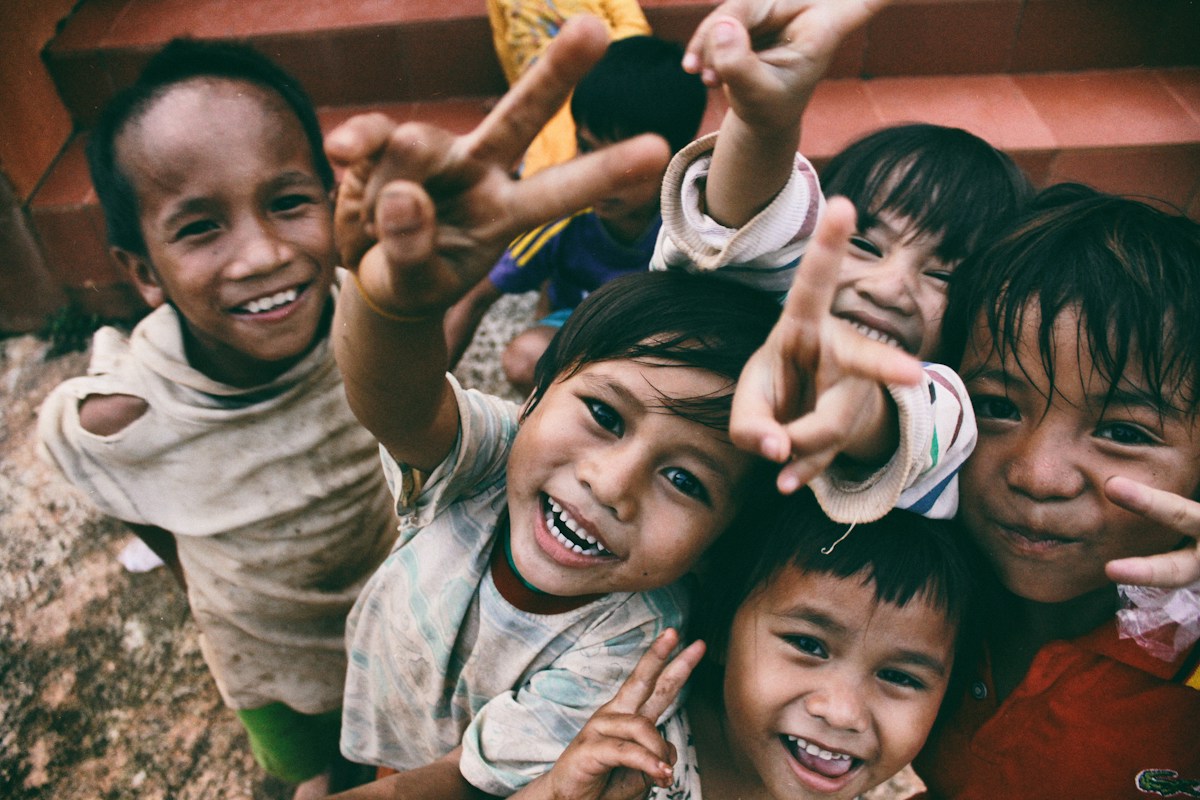
Behind the dry economic statistics and political debates about inflation and wages, there's a human cost that's impossible to ignore: children arriving at school hungry.
Families across New Zealand are in 'survival mode' according to the New Zealand Herald, as the sustained cost of living crisis drives increasing child hunger. Schools report more students arriving without adequate food, and demand for charity food programs has surged.
KidsCan, a charity that provides food and essentials to schools in low-income areas, says its programs are under unprecedented pressure. The organization is supporting more schools than ever, and each school is reporting greater need among its students.
This is happening in a developed nation, a country that prides itself on looking after its people. But the reality is that thousands of New Zealand families can't afford to consistently feed their children.
The causes are straightforward: wages haven't kept pace with the rising cost of food, fuel, and housing. Families that were already stretched before the cost of living crisis hit are now making impossible choices about which bills to pay and whether to skip meals so their children can eat.
Many of these families are working. This isn't just about unemployment or welfare dependency - though the government would probably prefer to frame it that way. These are households where parents have jobs, sometimes multiple jobs, and still can't afford basics.
Mate, when children are going hungry in the classroom, something is fundamentally wrong with your economic policy. This isn't a complex macroeconomic problem that requires sophisticated solutions. It's a basic failure to ensure families have enough to live on.
The National-led government's response has been to emphasize economic growth and tax cuts, arguing that prosperity will eventually trickle down to struggling families. But children can't wait for theoretical economic benefits to materialize. They need food now, today, this morning before they go to school.
Teachers report that hungry children can't concentrate, can't learn effectively, and are more likely to have behavioral issues. The impact on educational outcomes compounds over time, creating disadvantage that follows these children through their lives.
The situation also exposes the failure of New Zealand's welfare system to provide adequate support. Benefit levels haven't kept pace with the real cost of living. Families on assistance face impossible budgets, and many working families earn too much to qualify for help but not enough to make ends meet.
Charities like KidsCan are doing heroic work, but they're papering over cracks in the social safety net that should be the government's responsibility. Food in schools should be a universal right, not something dependent on charity.
Some schools have implemented their own breakfast and lunch programs, but this creates inequalities between schools in wealthy areas - which don't need such programs - and schools in poor areas, which struggle to fund them.
The political implications are significant. As New Zealand heads toward an election, images of hungry schoolchildren are powerful evidence that the government's economic approach isn't working for many families.
Opposition parties Labour and the Greens have called for expanded food in schools programs, higher benefit levels, and stronger worker protections. The government argues these would be expensive and might not solve the underlying problems.
But here's the thing: children going hungry isn't an acceptable outcome while we debate economic theory. It's a crisis that demands immediate action, not hand-wringing about budget constraints or philosophical arguments about the role of government.
New Zealand is a wealthy country by global standards. It has the resources to ensure no child goes to school hungry. What it lacks is political will and a government willing to prioritize children's wellbeing over tax cuts and austerity.
The cost of inaction isn't just measured in hungry children today. It's measured in educational outcomes, health impacts, and life opportunities that compound over decades. Every child who goes hungry today is a vote against New Zealand's future prosperity.
The election campaign should make this simple: do you accept children going hungry as inevitable, or do you demand a government that will actually fix it?