
At least three people, including a child, were killed and 10 others injured when Russian drones struck residential areas in Odesa early Sunday morning, local authorities confirmed.
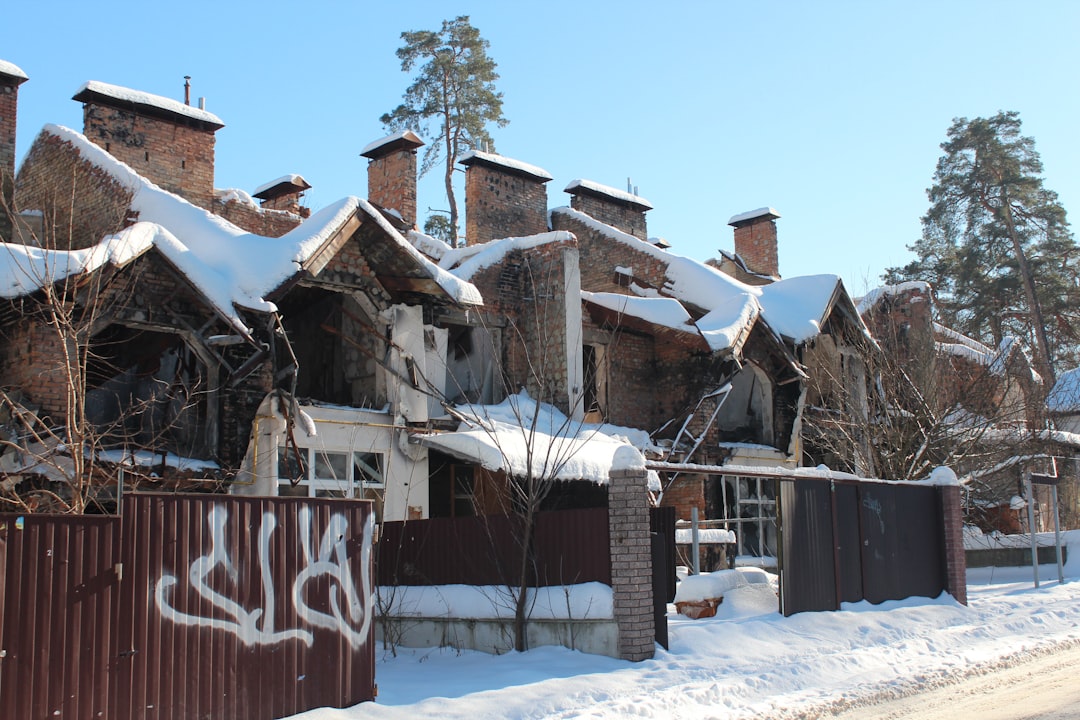
Among the wounded are a two-year-old child and two teenagers, according to regional officials. The attack damaged multiple residential buildings, single-family homes, a store, and several vehicles across the southern port city.
The strike represents the latest in a sustained campaign of drone attacks targeting Ukrainian civilian infrastructure. Emergency services worked through the morning to extract victims from damaged buildings and provide medical assistance to the wounded.
Odesa, a historic Black Sea port city and vital grain export hub, has been repeatedly targeted throughout the war. The city's strategic importance—both as a commercial port and symbol of Ukrainian resistance—has made it a frequent target of Russian aerial assaults.
In Ukraine, as across nations defending their sovereignty, resilience is not just survival—it's determination to build a better future. Even as air raid sirens have become part of daily life in Odesa, residents continue maintaining their city's cultural life and economic activity, adapting to wartime reality while refusing to surrender their sense of normalcy.
The attack comes amid an intensification of Russian drone campaigns against Ukrainian cities. Ukrainian defense officials reported that Russia launched over 6,000 strike drones against Ukraine in March alone, though Ukrainian air defense achieved a 90% interception rate.
Local authorities in Odesa have opened an investigation into the attack, documenting damage and casualties as potential evidence for future war crimes proceedings. The city's medical facilities, already strained by the war's demands, mobilized to treat the wounded.
Ukrainian President Volodymyr Zelenskyy condemned the attack on social media, calling it further evidence of Russia's deliberate targeting of civilians. "Every strike on our cities, every child's life taken, strengthens our resolve and the world's understanding of who the aggressor is," he stated.
International humanitarian organizations have documented a pattern of Russian strikes on civilian areas throughout the conflict, with residential neighborhoods, hospitals, and schools frequently hit. The targeting of Odesa's residential areas fits this established pattern.
The city's air defense systems managed to intercept several drones during the attack, but some penetrated defenses and struck populated areas. Ukrainian officials continue calling for additional air defense systems from Western partners to better protect civilian populations from aerial assault.