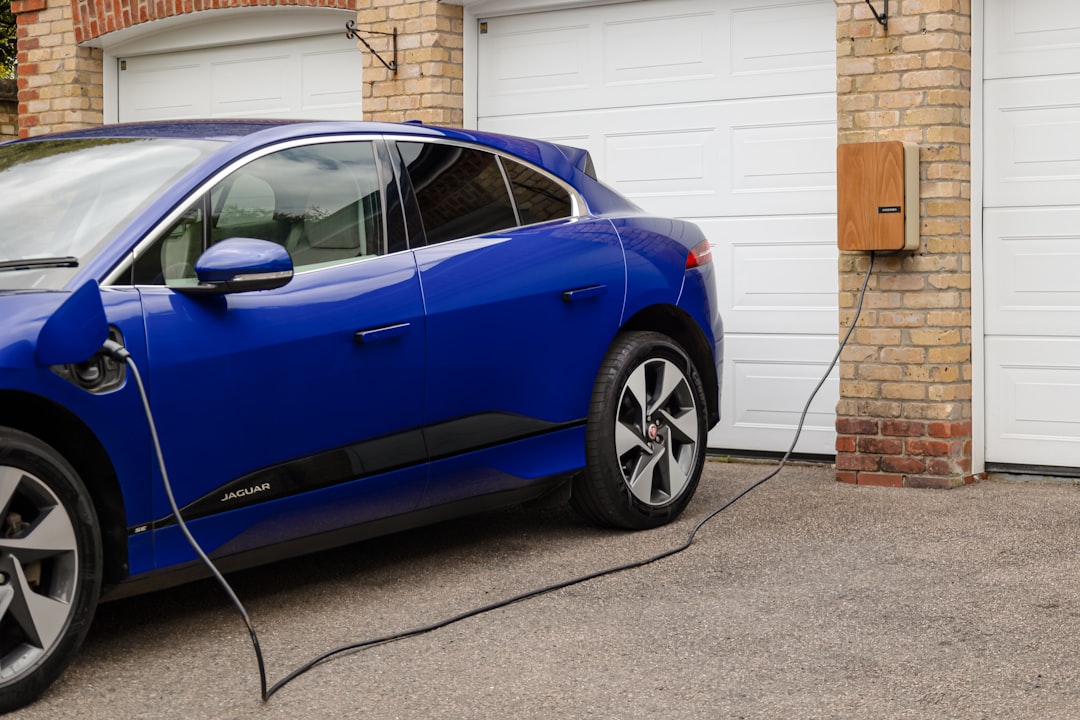
Every major consumer technology follows the same adoption curve: expensive and enthusiast-driven at first, then dramatically cheaper as the second-hand market matures. It happened with smartphones. It happened with flat-screen TVs. It happened with laptops. And it's about to happen with electric vehicles.
Starting now, and accelerating through 2026 and beyond, a massive wave of off-lease EVs is hitting the used car market. And the prices are going to be remarkable.
Here's the mechanics of why this is happening. The Inflation Reduction Act of 2022 created an unusual incentive structure: leases on EVs qualified as commercial vehicle sales and weren't subject to North American content requirements. This allowed automakers and dealers to stack federal and state incentives aggressively. The result was deals that seemed almost too good to be true - $10/month Nissan Leafs in some states, effectively free Fiat 500e vehicles in others, as The Drive reports.
Most lease terms run 24-36 months. Vehicles leased in 2022 during the incentive boom are now returning to dealers simultaneously, creating unprecedented supply pressure in the used EV market. The flood is not a metaphor - it's a genuine, predictable surge in supply hitting the market at a specific time.
According to analyst Sam Abuelsamid of Telemetry, prices will be "depressed even more than usual" due to the supply surge. The used EV market already sees significant depreciation compared to comparable gas vehicles. With this volume coming to market, buyers willing to purchase a used EV are about to have exceptional leverage.
Let's talk about what this actually means for adoption:
Battery anxiety at affordable prices. One of the consistent barriers to EV adoption has been consumer anxiety about battery degradation. Used EVs have historically struggled to address this because buyers couldn't afford to take the risk on a $35,000 vehicle. But battery research consistently shows that modern lithium-ion packs degrade far more slowly than feared. At $12,000-18,000, the calculus changes dramatically.
The real total cost of ownership story finally gets told. EVs have lower fuel costs, lower maintenance costs, and increasingly competitive insurance rates. These arguments have always been valid, but they're more convincing when the vehicle acquisition cost isn't a premium purchase. At used-market prices, the economics become genuinely compelling for a typical commuter.