Welcome to modern stardom, where you can go from indie darling to international incident in 18 months.
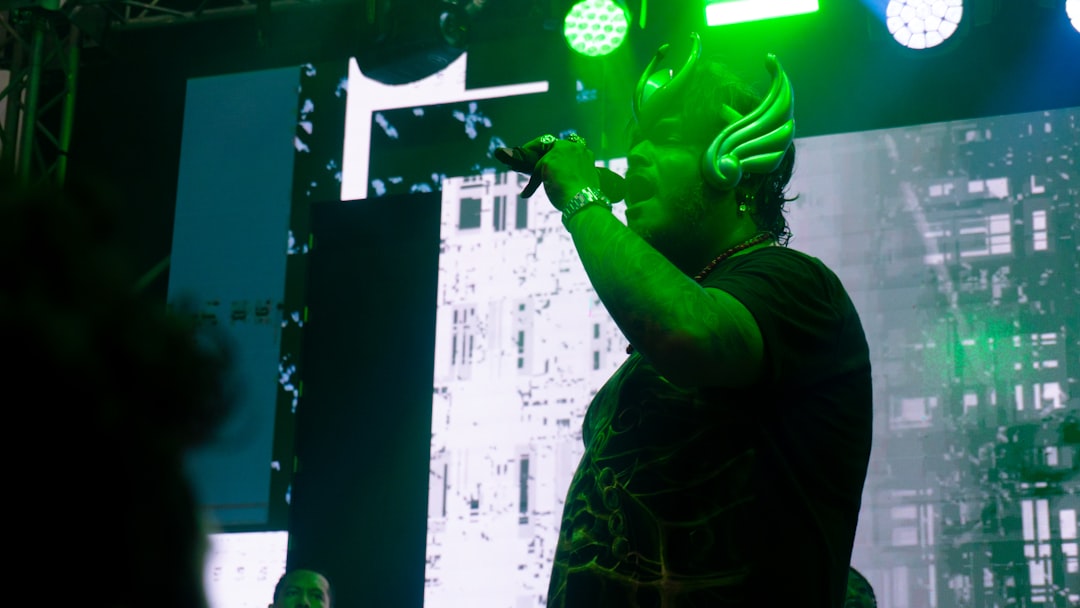
Chappell Roan, the pop star who went from playing small clubs to selling out arenas faster than almost anyone in recent memory, is now banned from performing at Rio de Janeiro's Todo Mundo no Rio festival after a security incident involving soccer star Jorginho Frello's daughter.
The mayor of Rio announced the ban after Frello, who plays for Arsenal, claimed that security personnel working Roan's show were rude to his young daughter when she approached the stage. Roan quickly responded on social media, stating that the security in question was "not my personal security" and emphasizing, "I do not hate children."
It's the kind of mess that reveals the infrastructure problems of rapid fame. Roan's rise has been meteoric—from independent artist to one of the biggest pop stars in the world in barely a year and a half. That kind of trajectory doesn't leave much time for the support systems to catch up.
When you're playing 200-capacity venues, you control your security. When you're playing festivals with 50,000 people, you're dealing with venue staff, local security, and layers of personnel you've never met. Something gets lost in translation, and suddenly you're banned from a city.
The mayor's response feels political, too. Frello is a beloved figure in Brazil, and taking a hard line against a foreign pop star plays well locally. Never mind that Roan wasn't personally involved in the incident—she's the face of the problem, so she takes the fall.
What makes this particularly frustrating is that Roan has been vocal about the challenges of fame and setting boundaries. She's pushed back against invasive fan behavior and been honest about the mental health toll of sudden stardom. Now she's dealing with the consequences of other people's actions because her name is on the marquee.