

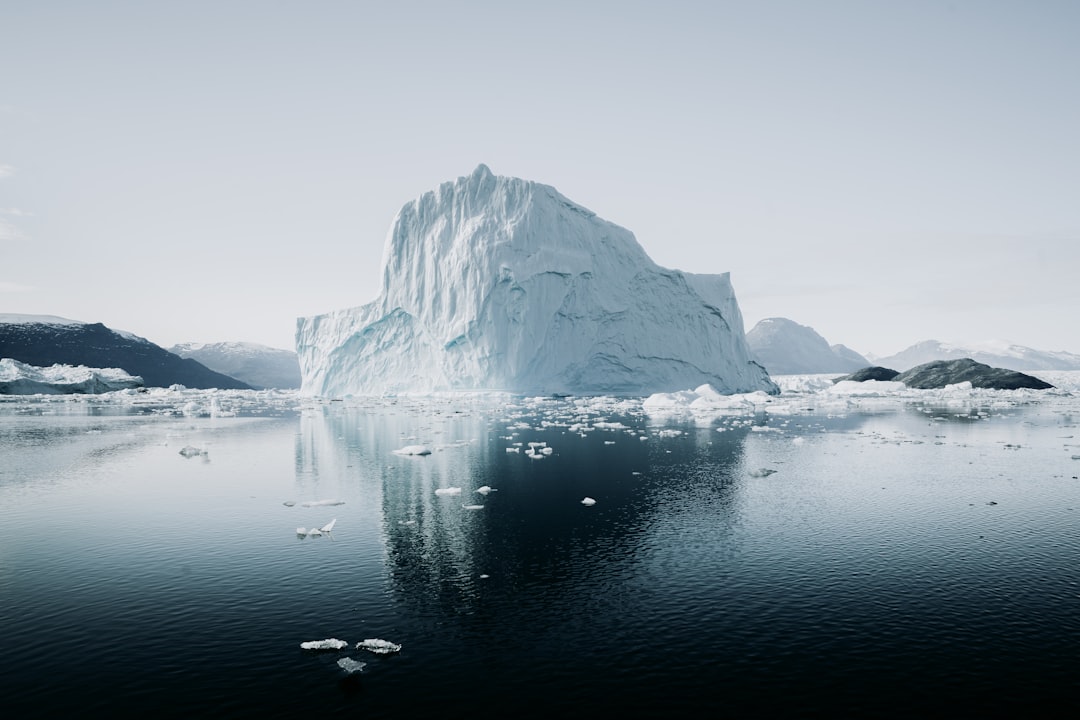
Glaciers across Central Asia experienced their worst year on record in 2025, losing nearly 2% of their remaining ice volume in a single season—part of a disturbing global pattern of consecutive record-breaking melt years hitting different regions around the world.
The research, led by Lander Van Tricht from Vrije Universiteit Brussel and ETH Zürich, documented approximately 30 cubic kilometers of ice loss across 16 glaciers in the Tien Shan and Pamir mountain ranges. To put that in perspective: the annual loss equals roughly 30% of all ice remaining in the European Alps today.
Nine of the 16 monitored glaciers experienced their most negative mass balance ever observed. Regional modeling suggests 64% of glaciers across Central Asia experienced their worst year since at least 1991.
The causes are grimly familiar: exceptionally warm temperatures throughout spring and summer, combined with dramatically reduced snowfall during the critical melt season. The lack of snow exposed darker glacier ice earlier than usual, triggering what scientists call the snow-ice albedo feedback—darker ice absorbs more solar radiation, accelerating melting, exposing more dark ice, and so on.
What makes this particularly alarming is the domino effect we're seeing globally. The European Alps and Pyrenees broke records in 2022. Western North America in 2023. Svalbard in 2024. Now Central Asia in 2025. These aren't isolated events—they're consecutive years of records falling in different regions, suggesting we've crossed into a new regime of glacier behavior.
Van Tricht and his colleagues warn that such extreme conditions could increasingly become typical in a warming climate. That's not hyperbole—it's what the physics predicts.
The implications extend far beyond glaciology. Millions of people downstream in Central Asia depend on glacial meltwater for agriculture, hydropower, and drinking water. In the short term, accelerated melting actually increases water availability. But that's a one-time liquidation of a frozen asset. Once the glaciers are substantially depleted, seasonal water supplies will crash.


