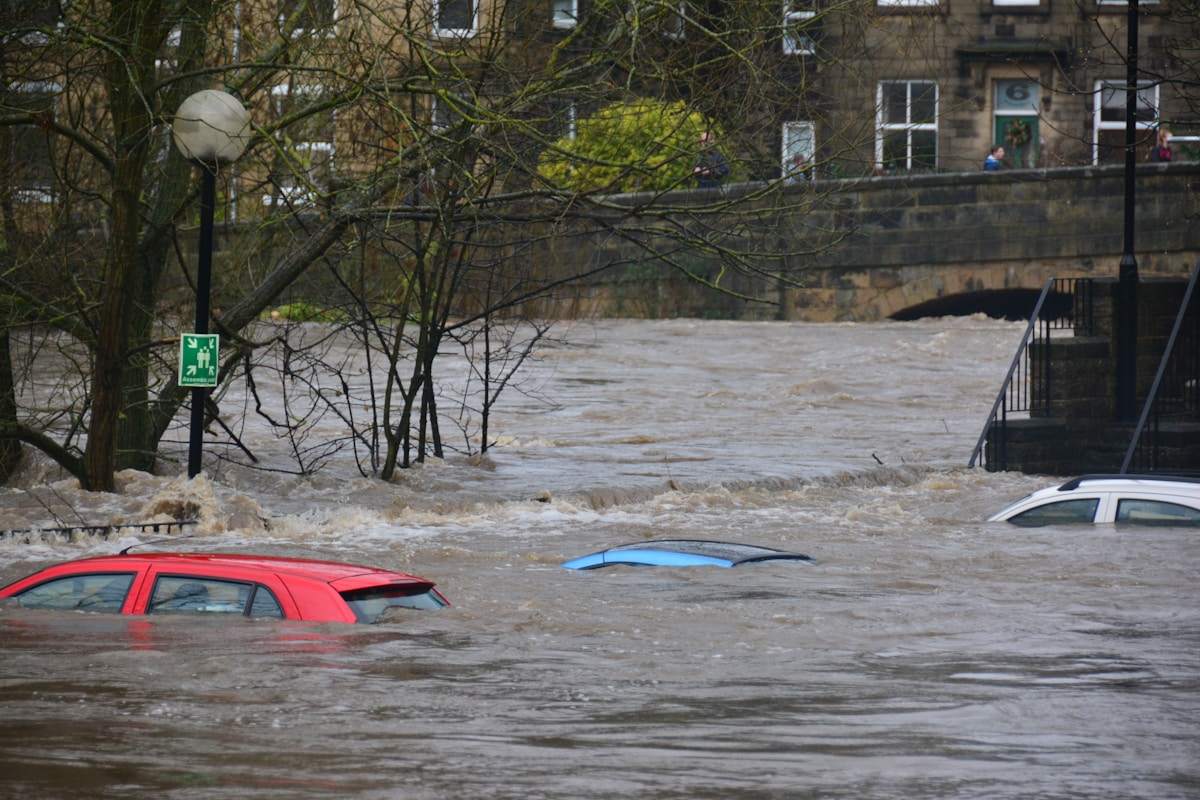
Cape Town is reeling from devastating floods that have killed six people and displaced more than 41,000 residents, exposing once again the structural inequality that leaves the city's poorest communities most vulnerable to climate shocks.
The deaths occurred across the Western Cape as powerful cold fronts brought 150-200mm of rainfall to mountainous areas last week. Victims died from falling trees in Knysna, Wynberg, Genadendal, and George, a roof fall in Worcester, and drowning in Klaarstroom's Meiringspoort.
But the casualty figures, while tragic, tell only part of the story. 10,703 structures sustained weather-related damage, with 26 informal settlements experiencing flooding—areas like Phola Park, Fisantekraal, Bonteheuwel, Parow, Bellville, Hout Bay, and Atlantis where thousands live in shacks with inadequate drainage and no flood defenses.
Charlotte Powell, spokesperson for the city's Disaster Risk Management, told IOL that authorities are "working closely with humanitarian relief partners who have already started assisting with meals and blankets" in affected communities. Assessments are being submitted to the South African Social Security Agency and the National Department of Human Settlements for humanitarian assistance coordination.
The scale of displacement—41,635 people—reveals the deeper crisis. These are not residents of 's affluent suburbs with their drainage systems and flood insurance. These are families in informal settlements, descendants of communities forcibly removed during apartheid and their children, still waiting three decades after democracy for adequate housing and infrastructure.