As thousands of international cyclists prepare for Cape Town's prestigious annual cycle tour, a viral social media post has drawn uncomfortable attention to the harsh realities lining the race route—from squatter camps and gang territories to inadequate sanitation and visible homelessness.
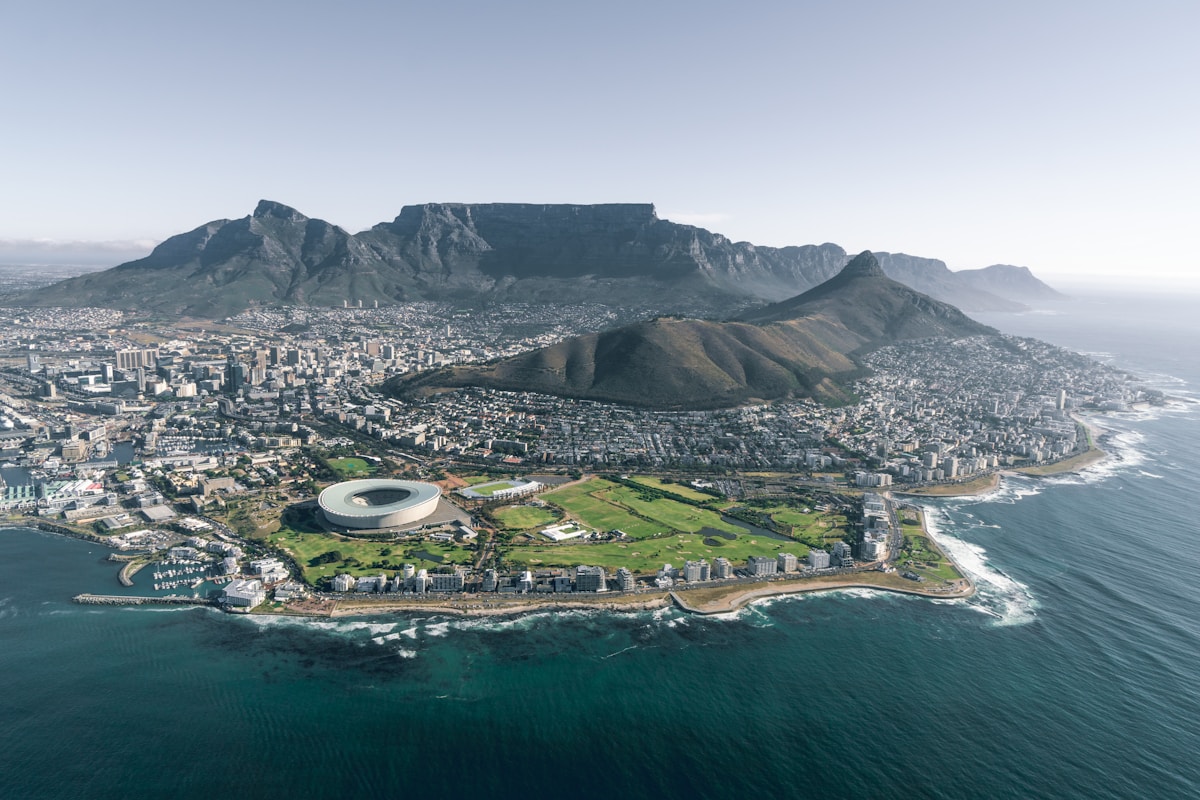
The detailed warning, posted to the r/southafrica subreddit, maps specific locations near the DHL Stadium and beachfront promenade where tourists should exercise extreme caution due to informal settlements, substance abuse, and gang activity.
"Squatters loitering and sleeping in the bushes by Greenpoint athletics stadium. There are gang territory markings spray painted all over this area showing 26 gang," the post warns, referencing one of South Africa's most notorious prison gang networks.
The post describes "terrible smell of urine and feces" along sections of Granger Bay Boulevard, warns of "aggressive intoxicated car guard extortionists," and identifies Chess Park as "a dangerous area of cld [child] street gangs who are mostly high on glue and other drugs."
Inequality visible from bicycle seats
While the Cape Town Cycle Tour attracts international participants and celebrates the city's scenic beauty, the warnings underscore a deeper truth: even in South Africa's best-governed city, extreme inequality and service delivery failures remain visible and unresolved.
Cape Town, governed by the Democratic Alliance since 2006, has long marketed itself as South Africa's success story—a counterpoint to ANC-governed cities plagued by corruption and mismanagement. The city boasts better infrastructure, more reliable services, and stronger fiscal management than municipalities like Johannesburg or Durban.
Yet the cycle tour warnings reveal limits to that narrative. Homelessness, substance abuse, gang activity, and inadequate sanitation persist despite DA governance—a reminder that apartheid's spatial legacy and 's structural inequality cannot be solved by efficient administration alone.