
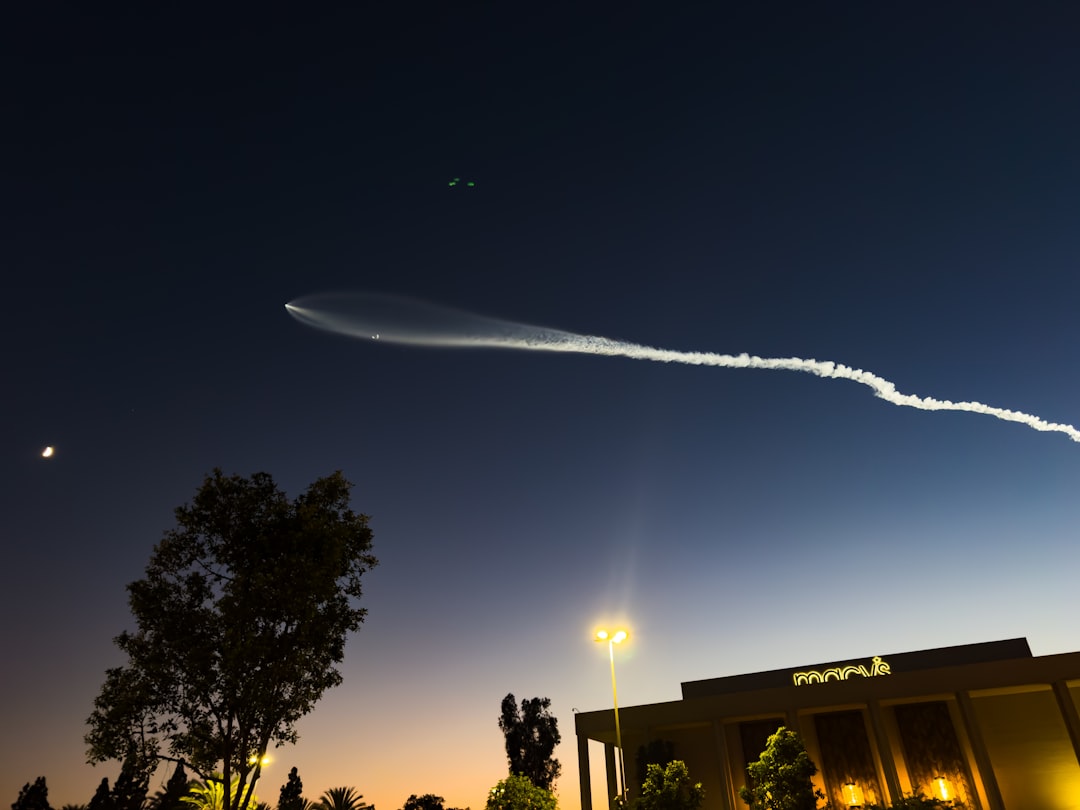
Canada has secured a long-term lease for a commercial spaceport facility, marking a significant step toward establishing independent satellite launch capabilities and reducing reliance on American rocket providers, particularly Elon Musk's SpaceX.
The agreement, reported by Bloomberg, will enable Canadian satellite operators and government agencies to launch payloads without depending on United States launch infrastructure. The move represents Canada's most substantial investment in space sovereignty in decades, reflecting growing concerns about technological dependence on American commercial space companies.
In Canada, as Canadians would politely insist, we're more than just America's neighbor—we're a distinct nation with our own priorities. The spaceport lease underscores a broader pattern of Canadian efforts to distance critical infrastructure from American control, particularly as the Musk-led SpaceX has become increasingly intertwined with controversial political positions.
The timing is notable. Elon Musk's growing political influence in the United States, combined with SpaceX's dominant position in the commercial launch market, has raised concerns among Canadian defense and intelligence officials about the strategic vulnerability of relying on a single American provider for satellite launches, particularly those involving sensitive government communications and surveillance systems.
"This is about ensuring Canada maintains control over its own access to space," a government source told Bloomberg, speaking on condition of anonymity. "When your national security satellites depend on launch schedules controlled by foreign commercial entities, you've created a strategic dependency."
The spaceport lease follows other recent Canadian moves toward technological sovereignty, including investments in domestic semiconductor manufacturing, telecommunications infrastructure independent of American cloud providers, and Arctic surveillance systems. These initiatives reflect a deliberate policy shift toward reducing reliance on United States technology in critical sectors.