
The FCC has approved Charter Communications' $34.5 billion acquisition of Cox Communications, creating the largest cable television provider in the United States—which is a bit like being named captain of the Titanic after it hit the iceberg.
Cable TV is dying. Everyone knows it. Subscribers are fleeing to streaming services at a rate of nearly 6 million per year. The traditional cable bundle—the business model that dominated American media for four decades—is in its death throes.
And yet, here we have two cable giants merging in what can only be described as a last-ditch effort to survive the coming extinction.
According to The Hollywood Reporter, the combined entity will serve over 35 million subscribers across the country, giving it unprecedented scale in the cable broadband market. The companies argue that consolidation is necessary to compete with streaming platforms and maintain infrastructure investments.
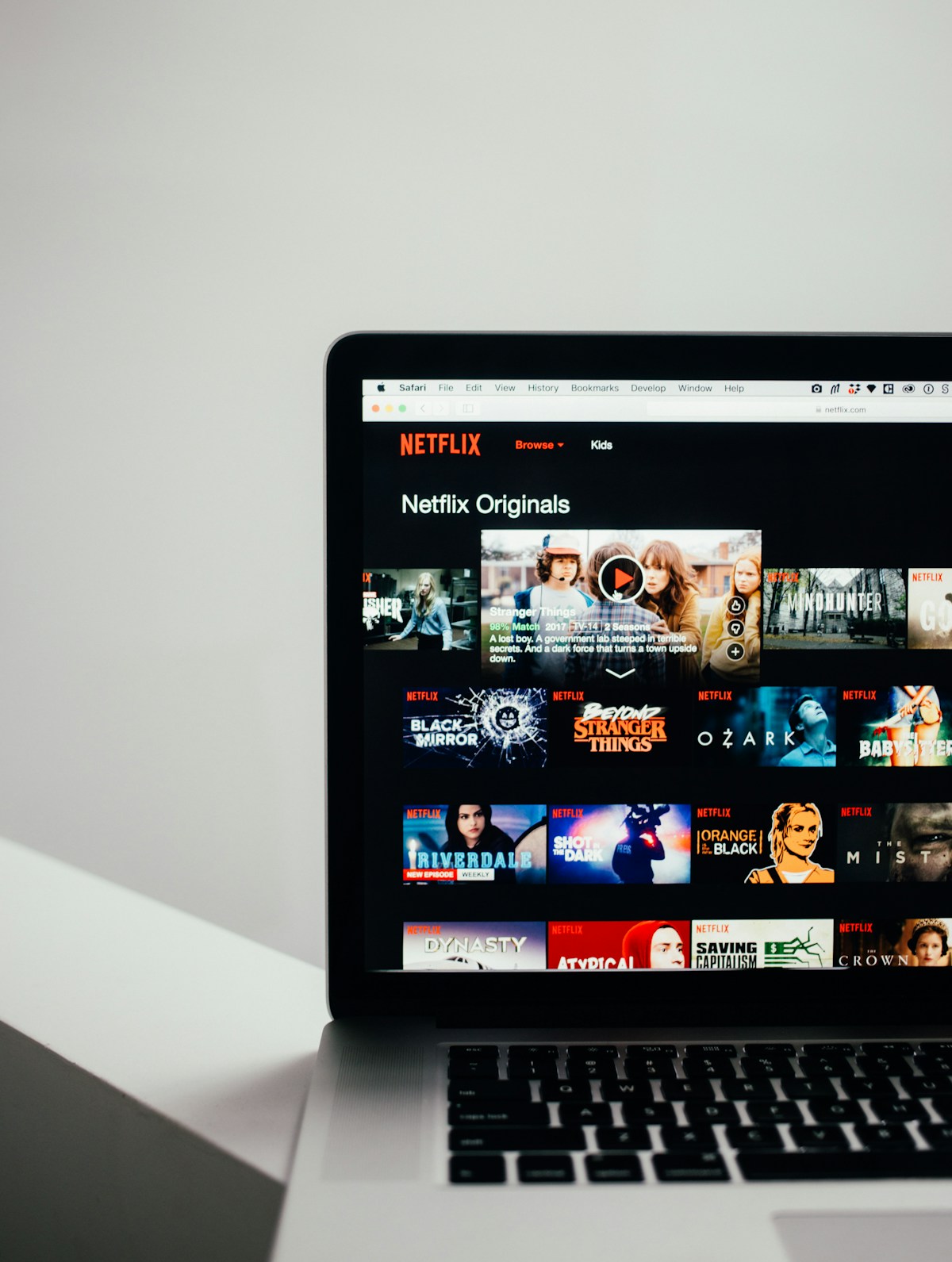
But here's the thing: cable isn't dying because it lacks scale. It's dying because consumers fundamentally reject the product. We don't want 200 channels we don't watch bundled with the ten we do. We don't want annual price increases disguised as "market adjustments." We don't want to rent equipment or schedule technician visits.
Streaming solved all of those problems. It's a better product at a better price with a better user experience. No amount of merger-driven "synergies" will change that.
The one saving grace for Charter and Cox is broadband internet, which remains essential and profitable. The merger positions them to leverage their infrastructure for high-speed internet delivery, which is the real business model going forward.
Cable television is the zombie appendix to that broadband body—technically still there, but serving no real purpose and destined for removal.
In Hollywood, nobody knows anything—except me, occasionally. And I know this: rearranging deck chairs on the Titanic is still just rearranging deck chairs.