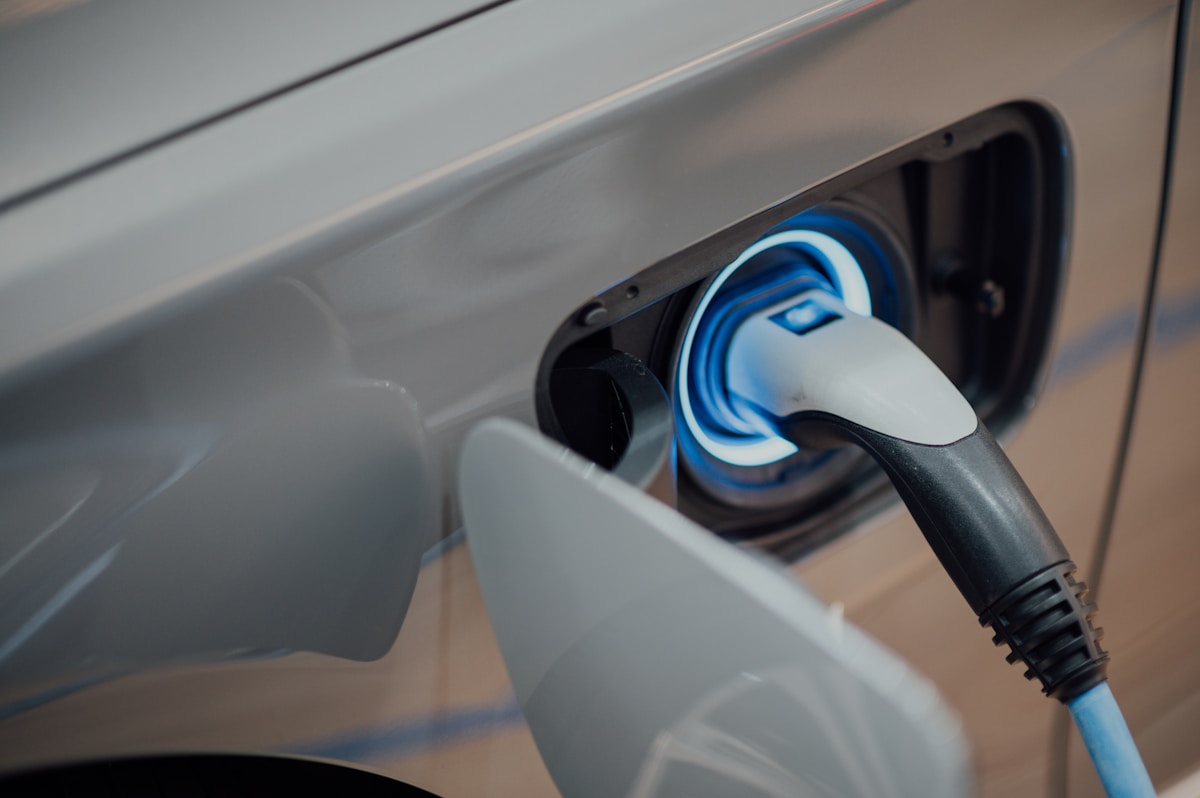
BYD just announced EV chargers that can add meaningful range in the time it takes to grab a coffee and use the bathroom. The Chinese automaker's new ultra-fast charging tech can deliver speeds that finally approach gas station convenience. According to Wired, we're talking about charge times measured in minutes, not the half-hour coffee breaks we've been told to accept.
The technology is impressive - high voltage architecture, advanced battery chemistry, and charging infrastructure that can push serious kilowatts without turning your battery pack into a fire hazard. This is the kind of engineering breakthrough that makes EV skeptics run out of excuses.
But here's the thing everyone misses about EV charging: most people charge at home. You plug in when you get home from work, and you wake up with a full battery. It's like having a gas station in your garage that works while you sleep. The "charging takes too long" complaint is mostly from people who don't own EVs yet.
Ultra-fast charging matters for road trips and people who can't charge at home. That's not nothing - apartment dwellers and long-distance drivers are real use cases. But it's solving an edge case problem while the media treats it like the main event.
The more interesting development is that BYD is now leading in charging infrastructure, not just vehicles. They're vertically integrating the entire EV ecosystem - cars, batteries, chargers. That's the Tesla playbook, except BYD has manufacturing scale that makes Tesla look like a boutique operation.
China currently dominates EV technology in ways that should worry Western automakers. BYD sold more EVs than anyone else last year. Their batteries are cheaper and increasingly competitive on performance. And now their charging infrastructure is best-in-class. The competitive gap isn't closing - it's widening.
For consumers, faster charging is great even if you rarely use it. The psychological barrier of "what if I need to road trip" is real, and ultra-fast chargers neutralize that anxiety. The technology is impressive. The question is whether anyone needs it - and the answer is yes, but probably not as much as the press releases suggest.