

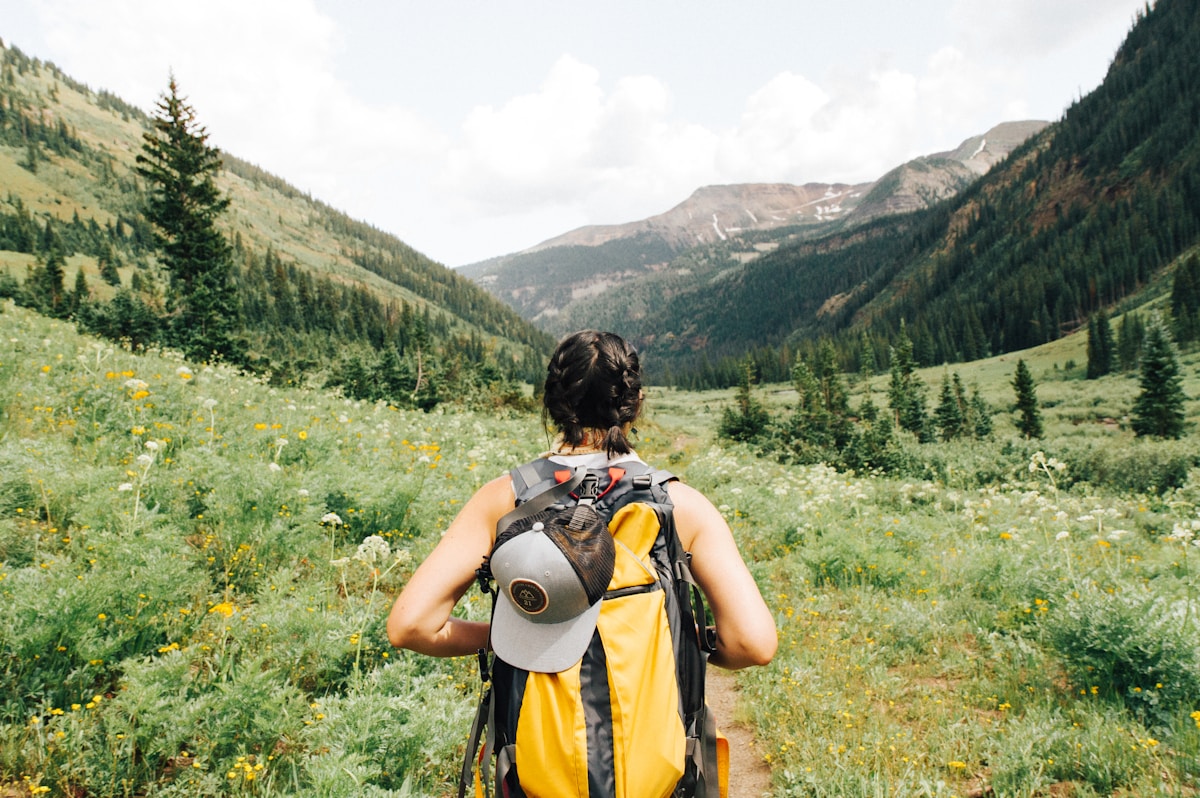
A backpacker started tracking every expense during a multi-country trip to stretch their budget further—and discovered they were spending money "out of boredom or convenience" far more than they realized.
What began as an annoying chore became automatic after a few weeks, fundamentally changing their relationship with money even after returning home. The practice enabled visiting 13 countries on a fixed budget, and the traveler maintained the habit for shared expenses with their partner long after the trip ended.
The Psychology of Travel Spending
Travel creates a perfect storm for financial hemorrhaging. You're constantly making small decisions in unfamiliar currencies, excited about new experiences, surrounded by other travelers spending freely, and operating under the "you only live once" mentality. Individual purchases—a coffee here, a souvenir there, an upgraded accommodation—seem insignificant until you realize they've consumed hundreds or thousands of dollars.
"You suddenly notice how often you spend money out of boredom or convenience," the traveler explains. This awareness is the crucial shift. It's not about becoming miserly—it's about intentional spending versus mindless spending.
The Tracking System
The process is straightforward: record every expense. Many travelers use apps like Trail Wallet, Splitwise, or simple spreadsheets. The key is consistency—entering purchases immediately or at least daily before they're forgotten.
Categories typically include:
- Accommodation<br> - Food (separated into groceries vs. restaurants)<br> - Transportation (local and between cities)<br> - Activities and entrance fees<br> - Miscellaneous (shopping, snacks, random purchases)
"At first it honestly felt annoying having to enter everything all the time," the backpacker admits. But after a few weeks, the habit becomes automatic—as routine as checking your phone. The small daily effort provides massive strategic insight.
What The Numbers Reveal


