
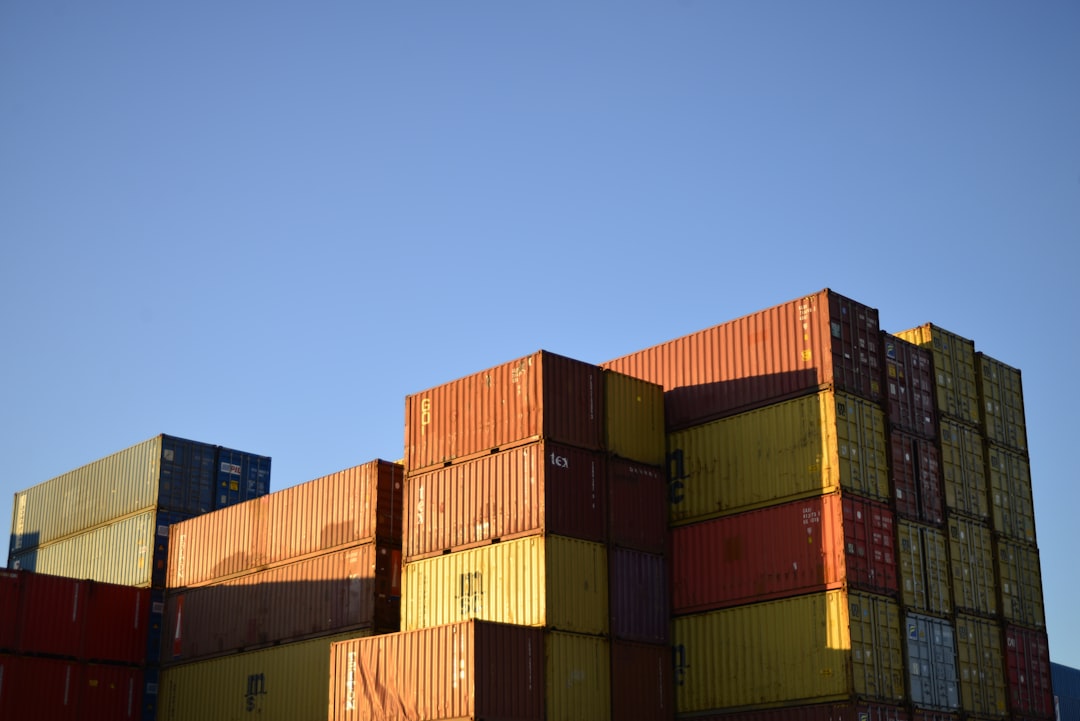
British exports to the United States are tumbling as the Trump administration's tariff regime begins to take its toll on transatlantic trade, marking the latest casualty in an escalating global trade war that shows no signs of abating.
The numbers don't lie. Trade data reveals a sharp contraction in UK shipments to its largest single-country trading partner outside Europe, with industries from manufacturing to agriculture feeling the squeeze. The tariffs, which the Trump administration justified as necessary to protect American industries, are instead creating significant economic friction on both sides of the Atlantic.
For British exporters, the calculus is simple and brutal: either absorb the tariff costs and watch profit margins evaporate, or pass them on to American consumers and risk losing market share to competitors from non-tariffed countries. Many are choosing a third option—exiting the American market entirely.
The impact extends beyond simple export volumes. Currency volatility has compounded the problem, with the pound's fluctuations against the dollar adding another layer of uncertainty to pricing strategies. British manufacturers who built supply chains around Atlantic trade are now scrambling to reorient toward European and Asian markets, an expensive and time-consuming pivot.
What's particularly striking is the timing. This trade disruption comes as the UK is still navigating its post-Brexit economic reality, having already absorbed the shock of leaving the EU single market. Now, facing barriers from both its closest geographic trading partner and its largest single-country export destination, British businesses find themselves in an increasingly precarious position.
The Trump tariffs represent more than just trade policy—they're a fundamental restructuring of the global economic order that emerged after World War II. For Britain, the question is no longer whether these tariffs will hurt, but how much, and for how long.
Cui bono? In this case, neither side. American consumers face higher prices, British exporters lose revenue, and the broader alliance between two of the world's most interconnected economies takes another hit. The only winners may be competitors in countries that have managed to avoid Trump's tariff crosshairs—at least for now.