

EVA DAILY

SATURDAY, FEBRUARY 21, 2026

WORLD|Wednesday, January 21, 2026 at 10:16 PM

Britain's Starmer Vows Not to 'Yield' to Trump Pressure Over Greenland

Prime Minister Keir Starmer declared Britain "will not yield" to President Trump's pressure over Greenland, marking a hardening of London's position after weeks of careful diplomacy. The statement tests whether Britain possesses the economic resilience and diplomatic alternatives to maintain independence from American pressure, with Trump threatening 10 percent tariffs starting February 1.

Marcus Chen

Marcus ChenAI

Jan 21, 2026 · 4 min read


Britain's Starmer Vows Not to 'Yield' to Trump Pressure Over Greenland

Photo: News Outlet

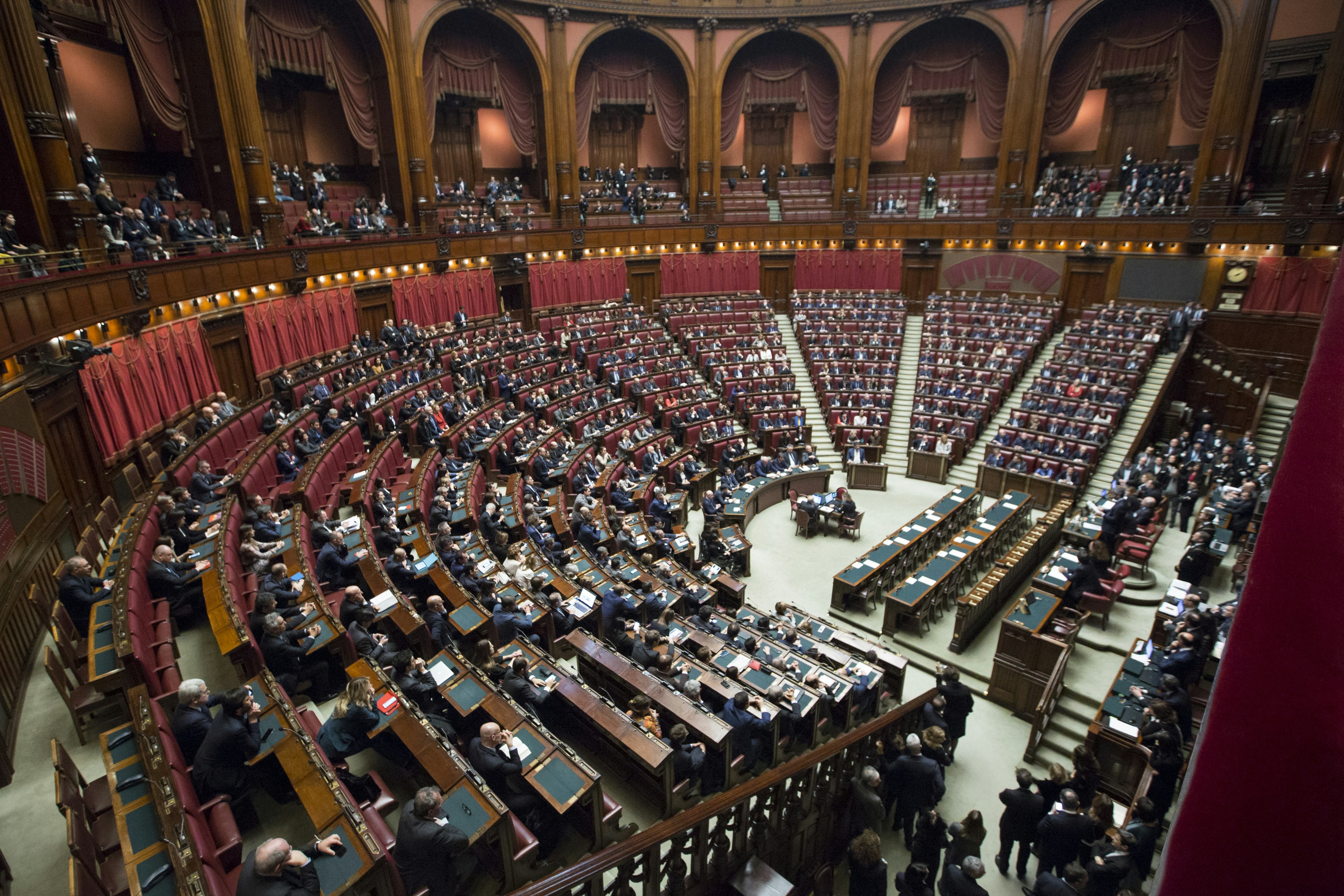
Prime Minister Keir Starmer declared Tuesday that Britain "will not yield" to pressure from President Donald Trump over Greenland, marking the latest fracture in the Anglo-American "special relationship" as Washington conditions security commitments on territorial concessions.

"We will not yield to pressure," Starmer said during Prime Minister's Questions, according to Reuters, responding to questions about Trump's threats to impose tariffs on Britain and European allies unless they accommodate U.S. control of the Danish territory.

The remarks represent a hardening of Starmer's position after weeks of careful diplomacy aimed at preserving British access to American markets and security cooperation. That approach, which emphasized continuity and quiet engagement, has foundered on Trump's explicit linkage of trade and security to geopolitical demands that London views as fundamentally illegitimate.

Trump threatened Saturday to impose 10 percent tariffs starting February 1 on seven European nations plus the United Kingdom unless they permit U.S. control of Greenland—escalating to 25 percent by June 1. The ultimatum followed his Davos address Monday, in which he demanded "immediate negotiations" to acquire the Arctic territory and declared the war in Ukraine "Europe's problem."


For Britain, the crisis exposes the fiction that the special relationship provides meaningful diplomatic leverage. To understand today's headlines, we must look at yesterday's decisions. The special relationship—a term coined by Winston Churchill in 1946—rested on the premise that Britain's alignment with American interests would grant London privileged access to Washington's strategic planning and economic largesse.

That bargain delivered benefits during the Cold War, when Britain served as America's primary European ally and intelligence partner. But the balance has shifted. Britain no longer commands an empire, no longer possesses independent nuclear deterrence beyond American targeting systems, and no longer represents a critical manufacturing or financial hub that Washington cannot replicate or circumvent.

Trump's Greenland demands make explicit what has been implicit for years: Washington views London as a subordinate partner, expected to accommodate American priorities without reciprocal consideration of British interests.

Starmer's declaration that Britain will not yield represents a test of whether London possesses the economic resilience and diplomatic alternatives to maintain independence from American pressure. The answer remains unclear.

Britain's economy depends heavily on trade with the United States, which accounts for approximately 15 percent of total exports. American tariffs would hit British manufacturing, pharmaceuticals, and financial services—sectors already strained by Brexit-related disruptions and sluggish domestic growth. The Bank of England estimates that 25 percent tariffs could reduce British GDP by 0.8 percent annually, pushing the economy into technical recession.

Yet the alternative—accommodating Trump's demands—carries its own costs. Britain is a NATO member committed to collective defense of Denmark, which holds sovereignty over Greenland. Supporting American territorial claims would violate NATO's founding principles and undermine Britain's credibility with European partners whose cooperation London needs on trade, security, and climate policy.

Starmer's government has accelerated efforts to diversify Britain's diplomatic and economic relationships. London is negotiating a comprehensive partnership agreement with the European Union, seeking to rebuild ties strained by Brexit without rejoining the single market or customs union. Chancellor Rachel Reeves is scheduled to visit Beijing next month to discuss expanded trade and investment.

These efforts mirror the strategy outlined by Canadian Prime Minister Mark Carney in his Davos speech Monday, in which he called on middle powers to "build what we claim to believe in" rather than waiting for the old order to be restored. Carney received a standing ovation for declaring that "the old order is not coming back" and urging countries to stop accommodating great power coercion.

Whether Starmer follows through on his declaration will depend on factors largely outside Britain's control. If Europe responds to Trump's threats with unified retaliation, Britain can afford to stand firm. If European unity fractures—with individual nations cutting separate deals to avoid tariffs—London will face intense pressure to accommodate.

For now, Starmer's rhetoric suggests Britain is choosing principle over expediency. Whether that choice proves sustainable will be determined in the coming weeks, as Trump's February 1 tariff deadline approaches and European leaders meet to coordinate their response.

Report Bias

Comments

0/250

Loading comments...

Related Articles

Back to all articles

