
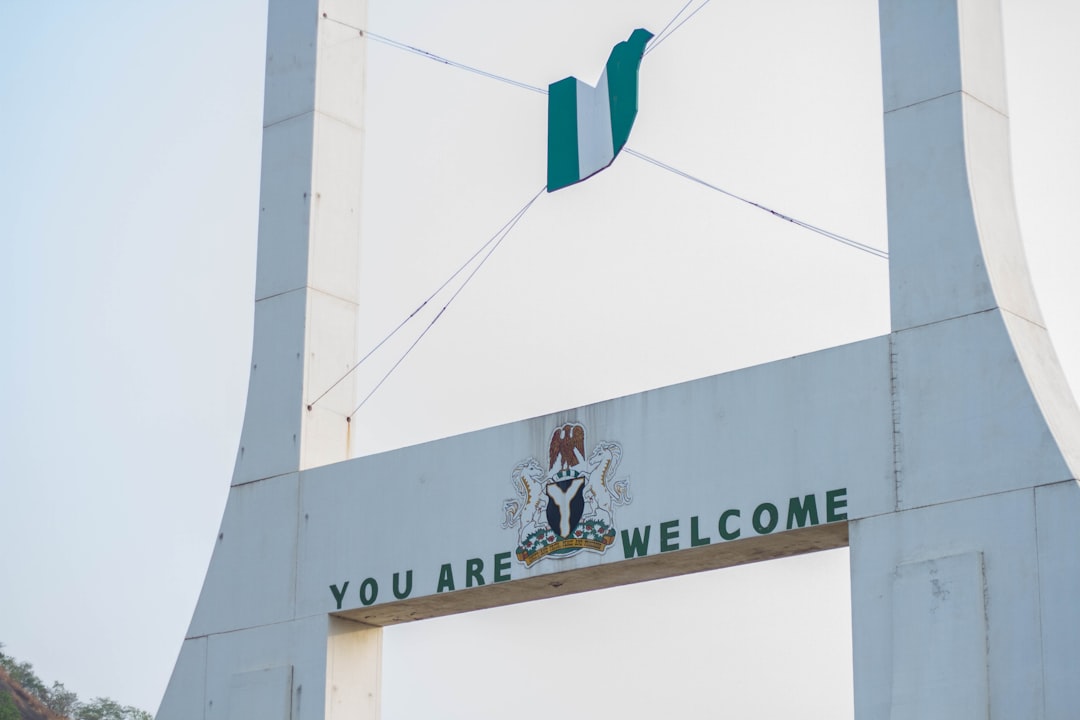
A tourist seeking to return to Nigeria has documented an alleged $150 bribery demand from an e-visa helpdesk officer, exposing the gap between the country's digital modernization efforts and implementation reality.
The traveler, who had already paid Nigeria's $258 tourist visa fee—one of Africa's most expensive—provided screenshots showing an immigration officer redirecting the conversation to his private phone number and requesting payment directly to his personal account. The officer claimed the payment was necessary to "deactivate" a previously used single-entry visa, despite the applicant having completed proper exit procedures.
"Either you pay me or your application will keep hanging forever," the officer wrote, according to screenshots shared on the Nigeria subreddit. The incident highlights persistent implementation challenges in Nigeria's digital government services, even as Abuja promotes e-governance reforms.
Nigeria's e-visa system, launched to streamline immigration processes and compete with regional tourism destinations, charges fees significantly higher than neighboring countries. Ghana's single-entry visa costs $150, while Kenya has moved to a $30 electronic travel authorization system. The premium pricing was intended to fund professional, corruption-free service delivery.
The alleged bribery demand comes as Nigeria struggles to boost tourism revenues despite possessing extraordinary cultural assets through Nollywood and rich historical sites. The country's tourism sector contributed just 1.8% to GDP in recent years, far below regional competitors like Kenya and South Africa.
In Nigeria, as across Africa's giants, challenges are real but entrepreneurial energy and cultural creativity drive progress. Yet stories like this demonstrate how undermines even well-designed digital reforms. Several African countries have successfully tackled similar problems through anonymous service delivery, strict officer rotation, and third-party monitoring—models Nigeria could adapt.