
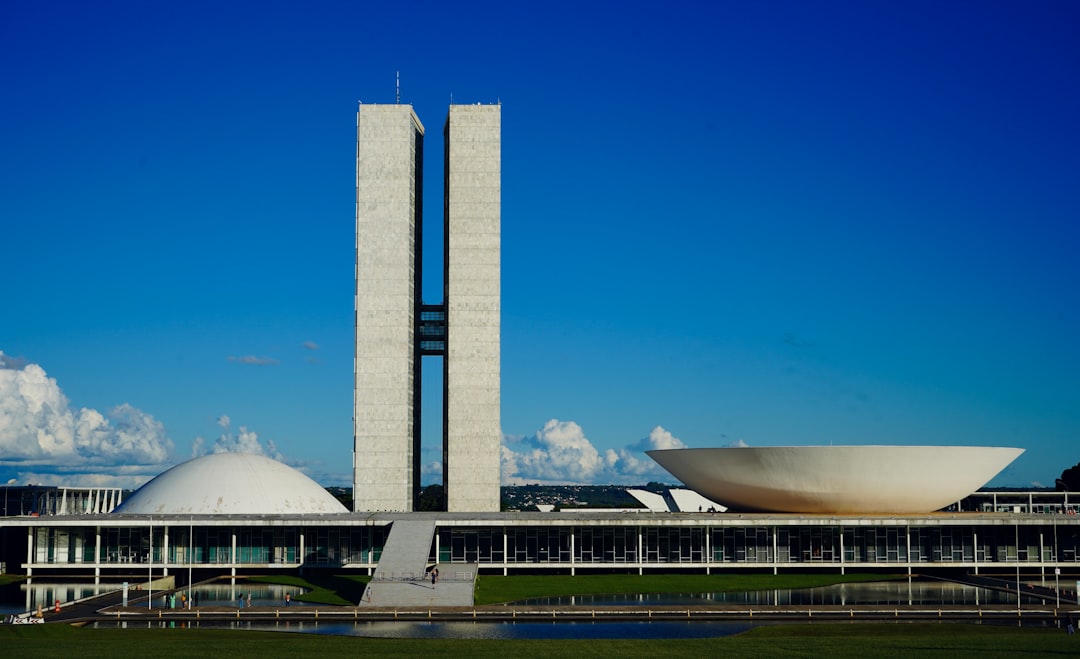
Convicted participants in Brazil's January 8, 2023, insurrection are openly threatening to "react" if President Luiz Inácio Lula da Silva's government challenges congressional legislation that would reduce their sentences, raising extraordinary questions about democratic accountability and the rule of law.
According to R7 Notícias, the threats come as Congress debates a dosimetria law that would effectively reduce sentences for those convicted of storming government buildings in Brasília in an attempt to overturn the 2022 presidential election results.
The fact that convicted insurrectionists are publicly threatening retaliation against the government represents an unusual challenge to Brazil's democratic institutions. The threats suggest that some participants view their convictions not as legitimate legal consequences but as political persecution warranting further action.
In Brazil, as across Latin America's giant, continental scale creates both opportunity and governance challenges. The January 8 events concentrated in Brasília, but the political and social forces that produced them stretch across the nation, particularly in regions where support for former President Jair Bolsonaro remains strong.
The proposed dosimetria legislation has sparked intense debate about amnesty versus accountability. Proponents argue that many participants were misled by false claims about election fraud and that excessively harsh sentences serve no rehabilitative purpose. Critics counter that reducing sentences for an attempted coup would send a dangerous signal that political violence carries minimal consequences.
Brazil's Supreme Court handed down sentences ranging from several years to more than a decade for those convicted of the most serious offenses during the January 8 attacks. Rioters broke into and vandalized the Supreme Court, Congress, and presidential palace, destroying art and historical artifacts while calling for military intervention to prevent Lula from taking office.
The government faces a difficult calculation. Challenging the dosimetria law through judicial review could trigger the threatened "reaction" from convicted participants and their supporters, potentially creating new security concerns. But allowing the legislation to stand unchallenged would undermine the judicial process that convicted hundreds of participants after thorough trials.
Legal experts note that convicted criminals threatening government officials if their sentences aren't reduced represents extraordinary behavior that itself could constitute additional criminal conduct. The fact that such threats are being made openly suggests some participants believe they retain sufficient political protection or public support to act with impunity.
The episode highlights unfinished business from Brazil's democratic near-crisis. While the immediate threat of overturning the 2022 election failed, the underlying political polarization and willingness to use violence for political ends persist. Congressional willingness to reduce sentences reflects both genuine concerns about proportionality and political calculations about Bolsonaro's still-substantial base.
Some political analysts draw parallels to the United States' ongoing struggles with accountability for the January 6, 2021, Capitol attack, noting that established democracies worldwide face similar challenges when insurrectionist movements retain significant political support. The question becomes how to hold individuals accountable while avoiding martyrdom narratives that strengthen anti-democratic movements.
Civil society groups and democratic defenders have urged the government to stand firm on the convictions, arguing that any perception of weakness or negotiability around insurrectionist violence will encourage future attempts. They note that Brazil's democracy faced a genuine existential threat on January 8, and that treating it as anything less than an attempted coup trivializes the danger.
The Lula administration has not yet publicly responded to the threats, but government officials privately express frustration that Congress would consider legislation that effectively rewards those who sought to overthrow the legitimate election results that brought Lula to power.
The situation places Brazil's judiciary in a particularly difficult position. The Supreme Court, which was itself a target of the January 8 attacks, must now decide whether to intervene if Congress passes the dosimetria law. Any such intervention would likely trigger accusations of judicial overreach from Bolsonaro supporters, potentially inflaming tensions further.
In Brazil, as across Latin America's giant, the January 8 convicts' threats exemplify how democratic consolidation remains an ongoing process rather than a finished achievement. The fact that convicted insurrectionists feel emboldened to threaten government retaliation suggests that Brazil's reckoning with its brush with authoritarian overthrow remains incomplete.