
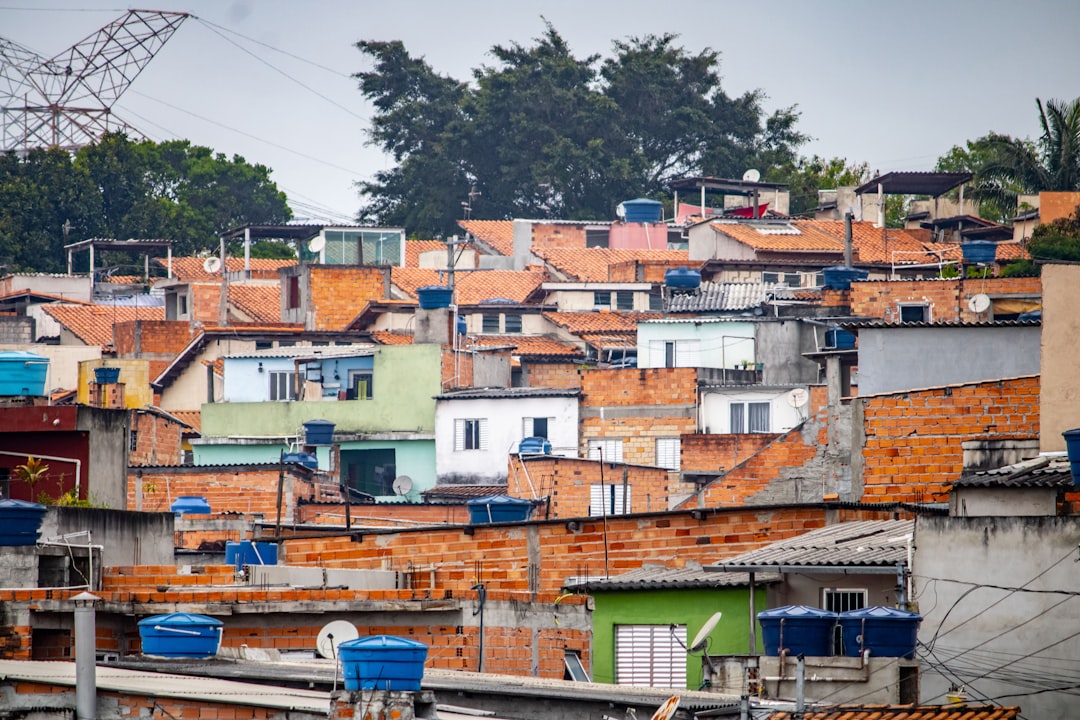
Brazil's housing market is shutting the door on the middle class, as soaring property prices and skyrocketing rents push homeownership beyond reach for millions of families across the country's major cities.
According to O Estado de S. Paulo, the dream of owning a home has become increasingly distant for middle-class Brazilians, who now face a dual squeeze: unaffordable purchase prices and rapidly rising rental costs that consume ever-larger portions of household income.
In Brazil, as across Latin America's giant, continental scale creates both opportunity and governance challenges. The housing crisis affects São Paulo, Rio de Janeiro, Brasília, and other major urban centers differently, but the underlying problem remains the same: insufficient housing supply combined with rising costs is fundamentally reshaping who can afford to live in Brazil's economic centers.
The crisis represents a stark counterpoint to recent optimistic economic narratives. While foreign analysts have praised Brazil's macroeconomic management and growth prospects, the lived reality for ordinary Brazilians tells a different story. For the emerging middle class that grew during the commodity boom years, the current housing market represents a painful reversal of fortune.
Economists point to multiple factors driving the crisis. Construction costs have surged due to global inflation and supply chain disruptions. Interest rates, though recently lowered, remain high by historical standards, making mortgages expensive. Meanwhile, urban land prices continue climbing as cities densify and desirable locations become scarcer.
The rental market offers no refuge. Landlords facing their own cost pressures have raised rents aggressively, particularly in neighborhoods with good infrastructure, schools, and public transportation. Young professionals and families find themselves spending 40% or more of their income on rent—well above the recommended 30% threshold—leaving little for savings, emergencies, or other expenses.
For those who do manage to scrape together a down payment, the path to homeownership remains treacherous. The housing program, successor to the initiative, has faced , limiting its ability to expand affordable housing stock at the pace needed.