
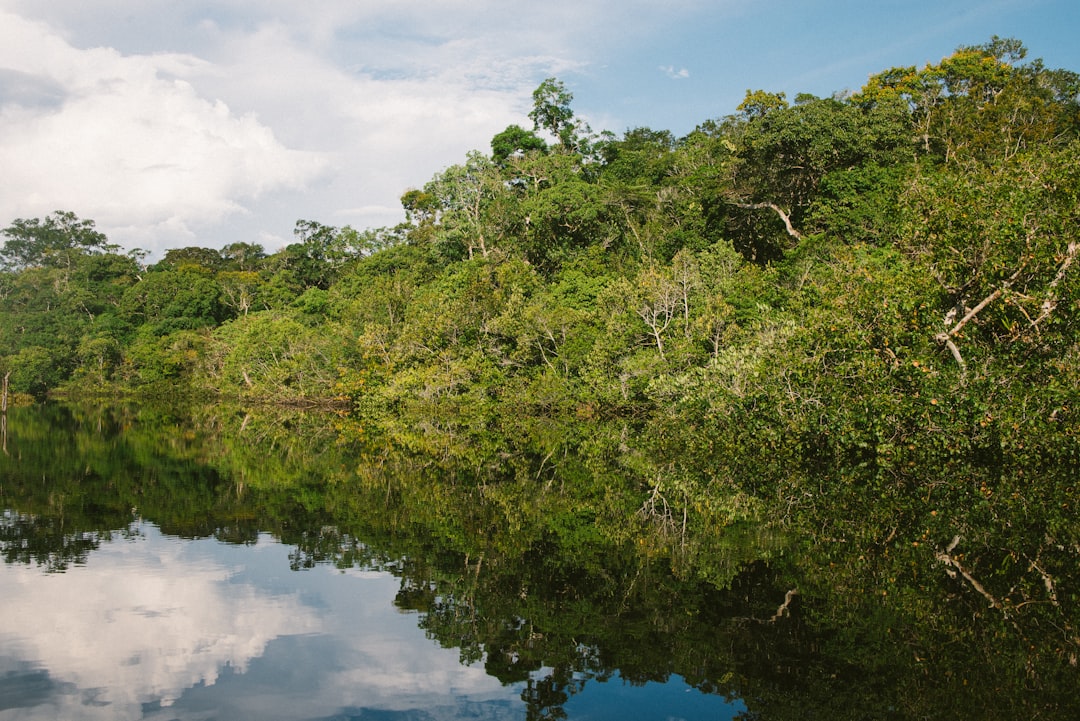
Brazil's Amazon rainforest deforestation has fallen to its lowest level in six years, according to government monitoring data released this week, marking a dramatic reversal after years of accelerating forest loss.
The achievement under President Luiz Inácio Lula da Silva's administration reflects aggressive enforcement of environmental protections, restoration of funding to conservation agencies, and strengthened cooperation with Indigenous communities. Preliminary satellite data shows deforestation rates declined by more than 30% compared to the previous year's period.
The turnaround stands in sharp contrast to the previous administration under President Jair Bolsonaro, when deforestation surged to 15-year highs amid weakened environmental enforcement and encouragement of agricultural expansion into protected areas. Under Bolsonaro, annual forest loss exceeded 13,000 square kilometers in 2021, devastating carbon sequestration capacity and threatening biodiversity.
Lula's government has revitalized Brazil's environmental protection apparatus, restoring budgets to agencies like IBAMA and ICMBio that conduct field enforcement operations. The administration has also empowered Indigenous communities as forest guardians, recognizing that Indigenous territories consistently show lower deforestation rates than unprotected areas.
Environmental advocates cautiously welcomed the progress while emphasizing the urgency of sustained commitment. "Six years ago, we had similar deforestation levels, but the trajectory matters enormously," said Marcio Astrini, executive secretary of the Climate Observatory coalition. "The question is whether political will can be maintained through electoral cycles and economic pressures."
The Amazon stores approximately 150 billion tons of carbon and plays a critical role in regional rainfall patterns. Scientists warn that continued deforestation risks pushing the rainforest past a tipping point into savanna, with catastrophic implications for global climate stability and biodiversity.
In climate policy, as across environmental challenges, urgency must meet solutions—science demands action, but despair achieves nothing. The Brazilian data demonstrates that political commitment can rapidly reverse environmental degradation, even in contexts of economic development pressure.
The progress positions Brazil to meet its Paris Agreement commitments to end illegal deforestation by 2030. However, achieving that goal requires maintaining enforcement against powerful agricultural and mining interests, addressing rural poverty that drives forest conversion, and securing international finance for forest conservation.
Climate justice advocates note that wealthy nations bear responsibility for supporting Brazil's conservation efforts through the Amazon Fund and other mechanisms. The rainforest provides global climate benefits while economic costs of protection fall disproportionately on Brazil.
The deforestation decline also reflects improved monitoring technology, with satellite systems enabling near-real-time detection of illegal clearing. This allows rapid response by enforcement teams before extensive damage occurs.