
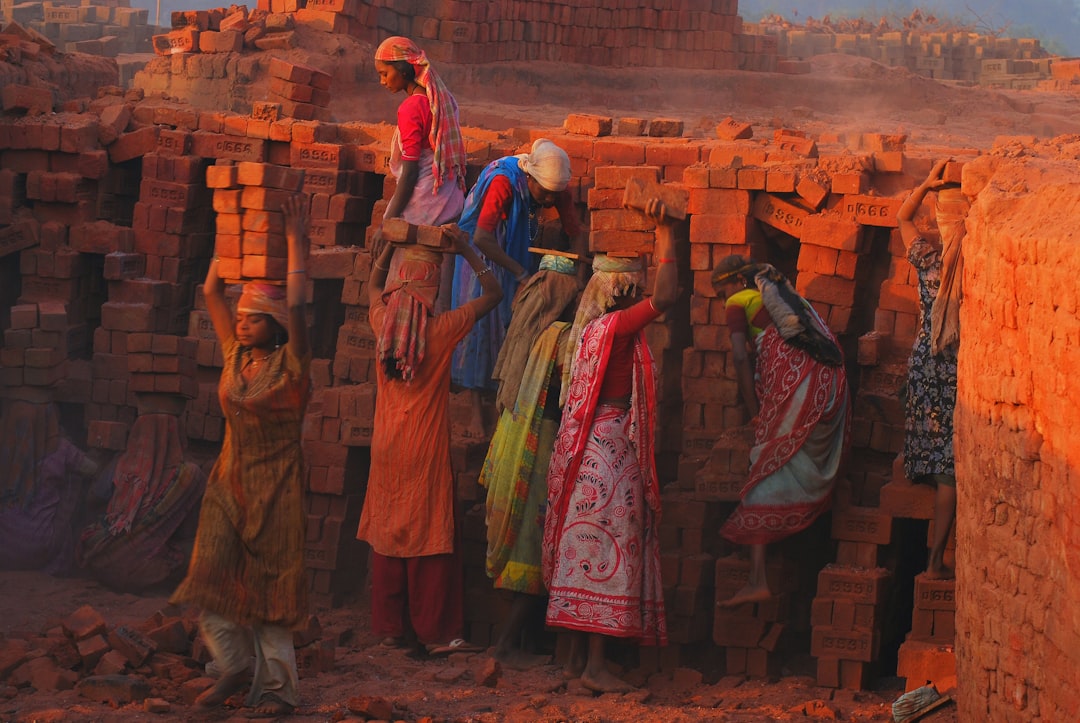
Authorities in Telangana rescued approximately 400 bonded laborers, including children, from factories and brick kilns in a coordinated operation, according to NDTV, exposing the persistence of pre-modern labor exploitation in one of India's most celebrated tech hubs.
The rescued workers were found in conditions amounting to forced labor—unpaid or severely underpaid, physically abused, and unable to leave their workplaces. The presence of children among the victims highlights violations of both anti-trafficking laws and child labor prohibitions. Officials have not yet disclosed the specific locations of the factories and brick kilns or identified the owners, though investigations are ongoing.
In India, as across the subcontinent, scale and diversity make simple narratives impossible—and fascinating. Telangana, and particularly its capital Hyderabad, represents India's aspirations for technology-driven development. The city hosts major offices for Google, Microsoft, Amazon, and hundreds of Indian IT firms. The state government markets itself as business-friendly and innovation-focused, with Chief Minister actively courting global investment.
Yet this same state maintains economic structures that depend on bonded labor—a practice officially abolished in 1976 but persisting through debt bondage, caste discrimination, and failure of enforcement. Brick kilns, garment factories, agricultural operations, and domestic work continue to trap vulnerable workers, often from marginalized Dalit and Adivasi communities, in conditions that international organizations classify as modern slavery.
The contrast is stark and deliberate. Hyderabad's gleaming IT corridors in areas like HITEC City and Gachibowli coexist with industrial zones where migrant workers labor in brutal conditions. Both sectors fuel the state's GDP growth—one through high-value services exports, the other through low-cost manufacturing and construction that builds the infrastructure for that growth.
Bonded labor typically involves workers taking small loans from employers or contractors, then finding themselves unable to repay due to manipulated accounts, low wages, and accumulated interest. Workers are prevented from leaving through threats, violence, and in some cases physical confinement. Children are often bonded alongside their parents or sent to work to help repay family debts.
The rescue operation suggests some commitment to enforcement, but the scale of the problem far exceeds sporadic raids. India's National Crime Records Bureau reported over 6,000 cases of bonded labor in recent years, but activists estimate the true number of bonded laborers runs into millions. The brick kiln sector alone is believed to employ hundreds of thousands under exploitative conditions.
Telangana is not unique in this regard. Every Indian state grapples with forced labor in some form. But the state's high-profile positioning as a technology leader makes the contrast particularly glaring. International companies that source from Indian suppliers or operate facilities in the state face questions about supply chain ethics and labor monitoring.
The state government's response will be closely watched. Will authorities pursue criminal charges against the employers? Will rescued workers receive rehabilitation and compensation? Will the operation lead to systematic monitoring of high-risk sectors? Or will it remain an isolated action, generating headlines but little structural change?
The presence of child laborers among the rescued adds another layer of urgency. India has made significant progress in reducing child labor over the past two decades, with primary school enrollment near universal and awareness campaigns emphasizing education. But poverty, social marginalization, and weak enforcement allow exploitative child labor to persist, particularly in informal sectors.
For India's international image, these cases present a challenge. As the country seeks recognition as a developed economy and responsible global partner, evidence of widespread labor exploitation contradicts that narrative. Western companies face pressure from shareholders and activists to ensure their supply chains are free from forced and child labor—pressure that increases when cases like the Telangana rescue make international news.
The fundamental tension is this: India's rapid economic growth has lifted hundreds of millions from poverty, a genuine achievement. But that growth has been uneven, leaving significant populations vulnerable to exploitation. Technology sector success stories coexist with brick kiln bondage, not by accident but because both serve the same growth model—one providing high-value services, the other providing low-cost inputs.
Whether this tension is sustainable depends partly on enforcement. If bonded labor carries real penalties for employers and if rescued workers can access justice and rehabilitation, the incentive structure changes. If raids remain episodic and perpetrators face few consequences, the system perpetuates itself. The fate of the 400 workers rescued in Telangana will indicate which path India is choosing.