Norway has a reputation for being eye-wateringly expensive—the kind of destination budget backpackers save for "someday" when they're older and wealthier. But a recent trip report from Bergen suggests that with smart planning, Norway's dramatic landscapes are more accessible than many assume.
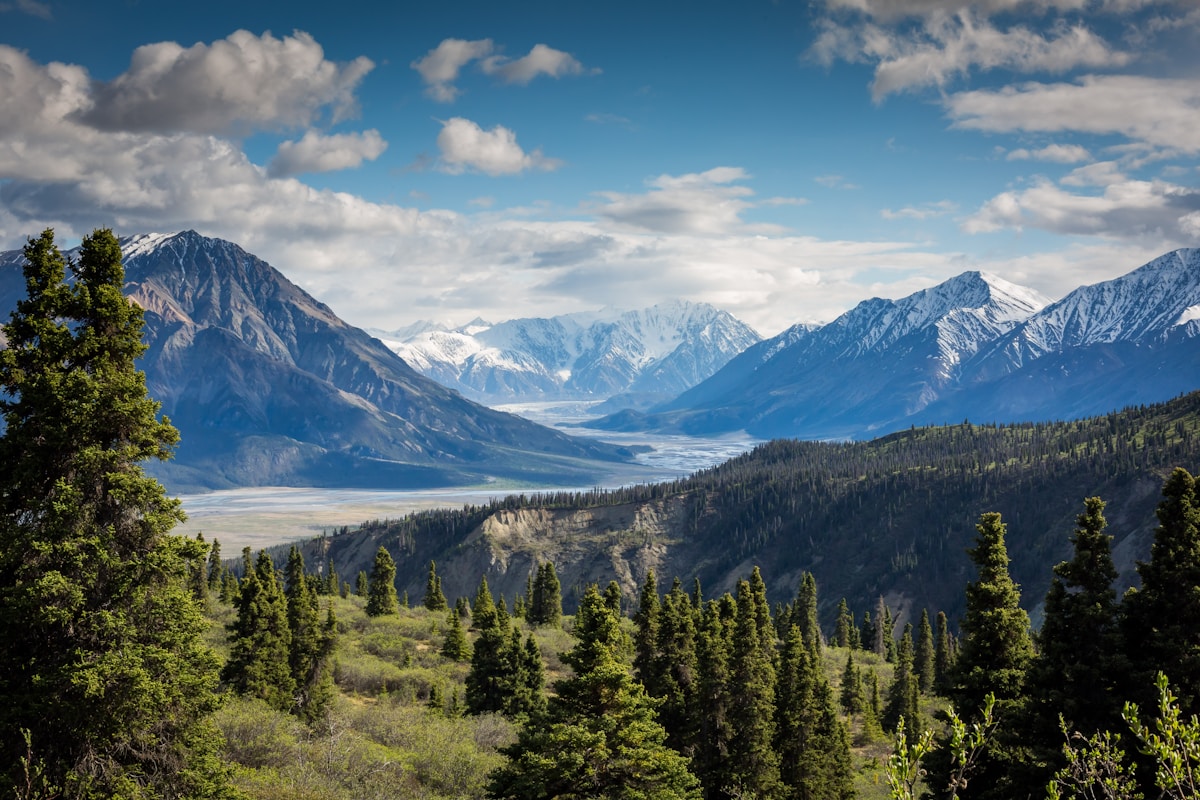
"What I like most about Bergen is the proximity to wild nature and alien-looking landscapes," wrote a solo traveler who visited for five days in June 2026, sharing their experience on r/solotravel. "No wonder that planet Hoth from Star Wars was filmed here."
The key insight: Bergen offers cable car and funicular access to dramatic mountain hikes without requiring expensive guides, gear rentals, or multi-day expeditions. This makes breathtaking nature experiences accessible to budget travelers in a way that's rare for Scandinavia.
Getting to the Mountains
Two mountains dominate Bergen's skyline, and both are easily accessible:
• Fløyen (left mountain in classic Bergen photos): Accessible via funicular railway • Ulriken (right mountain): Accessible via cable car
While the traveler didn't specify exact costs, the Fløibanen funicular typically costs around 115 NOK ($11 USD) for a round trip, while the Ulriken cable car is approximately 175 NOK ($17 USD)—expensive by global standards but far cheaper than guided mountain tours.
Once at the top, marked hiking trails allow exploration without guides. "It's not like walking in the park: you'll have to help yourself with your hands sometimes," the traveler noted, recommending a backpack to keep hands free while carrying snacks and water.
For more adventurous hikers, a vertical wall climb leads to Ulriken's second peak. The traveler didn't attempt it but noted "it should be doable" for those prepared.
Fjord Tours on a Budget
The traveler highly recommends booking a Mostraumen fjord tour for those who've never seen Norway's famous fjords. Two operators run these trips—"Rødne" and "Mostraumen fjord cruise." The traveler chose the latter and "was quite happy with it," though Rødne offers a longer route (it was fully booked for their dates).
Important caveat: "They use simple passenger ferries for the trips. So there are many seats in the middle of the compartment and far away from the windows, and walking outside may not always be comfortable due to the wind and rain." This is useful information for photographers or those seeking unobstructed views—arrive early to secure window seats.
Accommodation Strategy
The traveler's biggest budget tip: stay outside the city center but near public transport. They stayed at Hotel Prize by Radisson near Danmarks plass—"quite far away from the center" but offering "gorgeous views" from certain rooms (though many windows face neighboring buildings).
Bergen's public transportation is "frequent, fast and reliable, taking you to the center in no time, especially the light rail." This means suburban accommodation saves money without sacrificing accessibility.
The hotel was affected by staff strikes during the visit, making it "even more overpriced than usual." This highlights another budget consideration: Scandinavia occasionally experiences labor actions that affect services.
What Went Wrong
The strike affected not just hotels but "many restaurants and cafés as well," the traveler warned. "Don't trust Google Maps: if it says some facility is open, it may meet you with a paper on the door saying 'Haha, we're on strike'." This caused dining challenges during the visit.
Another disappointment: Edvard Grieg's villa is undergoing renovation. A composer's museum remains open but is "terribly overpriced." The traveler adjusted dates to coincide with the international music festival dedicated to Grieg but found "it was nice to listen to some free concerts every evening, but the visit wouldn't have been worse if I had missed it."
The historical center, especially Bryggen, is "rather a tourist trap," they note. "It is interesting to take a look once, but there is not much to do unless you're interested in buying souvenirs and sweaters from Temu at an exorbitant markup."
Weather Reality
"Be prepared for rain and drizzle. The city is quite wet, and getting good weather (like in my photos) is really big luck," the traveler wrote. But they frame this positively: "The weather is not a disadvantage at all. Bergen has its own charm when covered in fog, or when you see the clouds settling on the houses built on the mountainside."
This is crucial perspective for budget travelers: waiting for perfect weather could mean never visiting, but embracing Norway's moody climate reveals a different kind of beauty.
Budget Reality Check
The traveler didn't provide total costs, but let's estimate a minimal budget: • Cable car/funicular: $30/day for mountain access • Fjord tour: $80-120 depending on operator • Accommodation outside center: $80-120/night (budget hotel or hostel) • Food: $30-50/day (grocery stores + occasional restaurants) • Local transport: $10-15/day
Daily costs: roughly $150-200 USD for a budget-conscious traveler who prioritizes nature experiences over luxury. That's expensive compared to Southeast Asia or Eastern Europe, but achievable for travelers willing to self-cater meals and stay outside tourist zones.
The Verdict
Norway will never be cheap. But Bergen offers something valuable: accessible adventure without requiring expensive gear, guides, or extreme fitness. Budget travelers can experience genuine wilderness and dramatic scenery for the cost of a cable car ticket and some packed snacks.
For travelers who've been putting off Scandinavia until they "can afford it," the message is clear: strategic planning makes it more achievable than you think. The best travel isn't about the destination—it's about what you learn along the way. And Bergen teaches that spectacular nature doesn't always require a spectacular budget.