
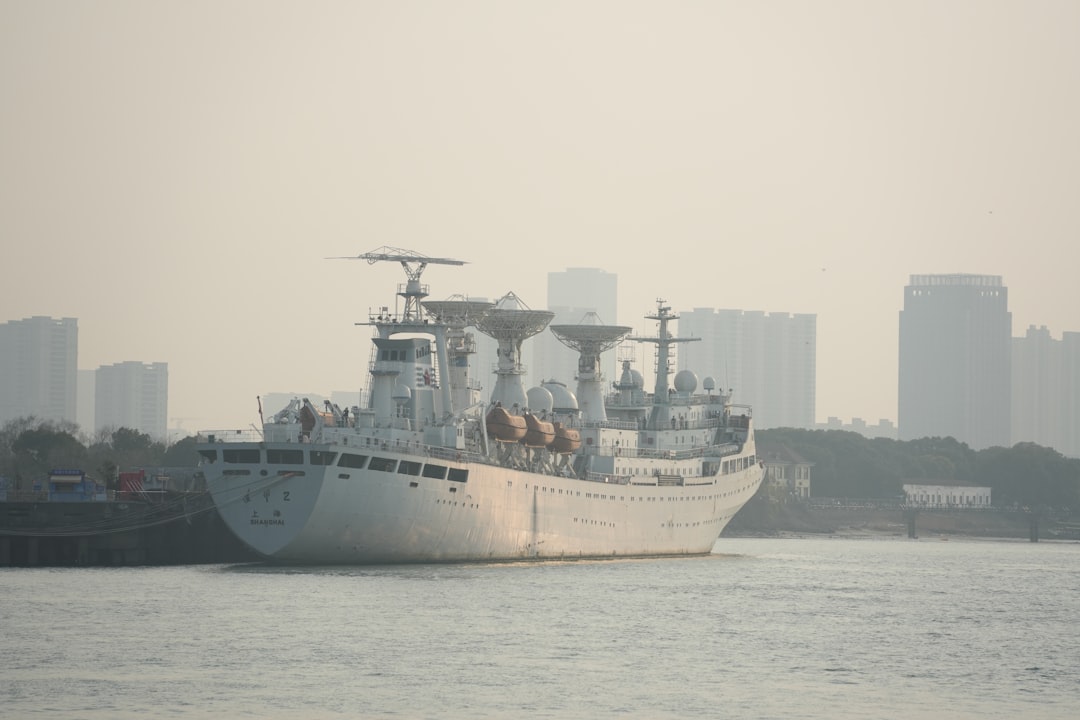
Belgian Armed Forces have boarded and seized a Russian shadow fleet oil tanker, marking one of the most direct European military actions against Moscow's sanctions evasion network since the war in Ukraine began.
The boarding operation, confirmed by Belgian authorities, represents a significant escalation in how Brussels enforces its Russia sanctions regime. For years, European officials have tracked the shadow fleet—aging tankers operating under opaque ownership structures to move Russian oil while circumventing Western price caps and insurance bans.
But until now, enforcement has been largely bureaucratic: port denials, insurance blacklists, and stern diplomatic letters. Sending naval personnel to physically board a vessel is a different order of magnitude.
The move signals that at least some EU member states are willing to move from paperwork to direct action. Belgium, not traditionally seen as a frontline state in confronting Russian sanctions evasion, has now put itself at the forefront of enforcement.
Baltic states—Estonia, Latvia, and Lithuania—have warned for years about the shadow fleet's role in financing Russia's war machine while posing environmental risks in European waters. Estonian officials have documented hundreds of shadow fleet transits through the Baltic Sea, calling them both an economic and ecological threat.
The Belgian action may embolden other member states to take similar steps. Or it may prove a one-off—political theater without broader EU backing. The European Commission has yet to comment publicly on the operation.
What's clear: Brussels decides more than you think. And sometimes, Brussels decides to send sailors with rifles instead of lawyers with briefcases.
The tanker's ownership structure, cargo destination, and crew status remain unclear as Belgian authorities conduct their investigation. If this marks a pattern rather than an exception, Russia's shadow fleet may find European waters considerably less hospitable.