
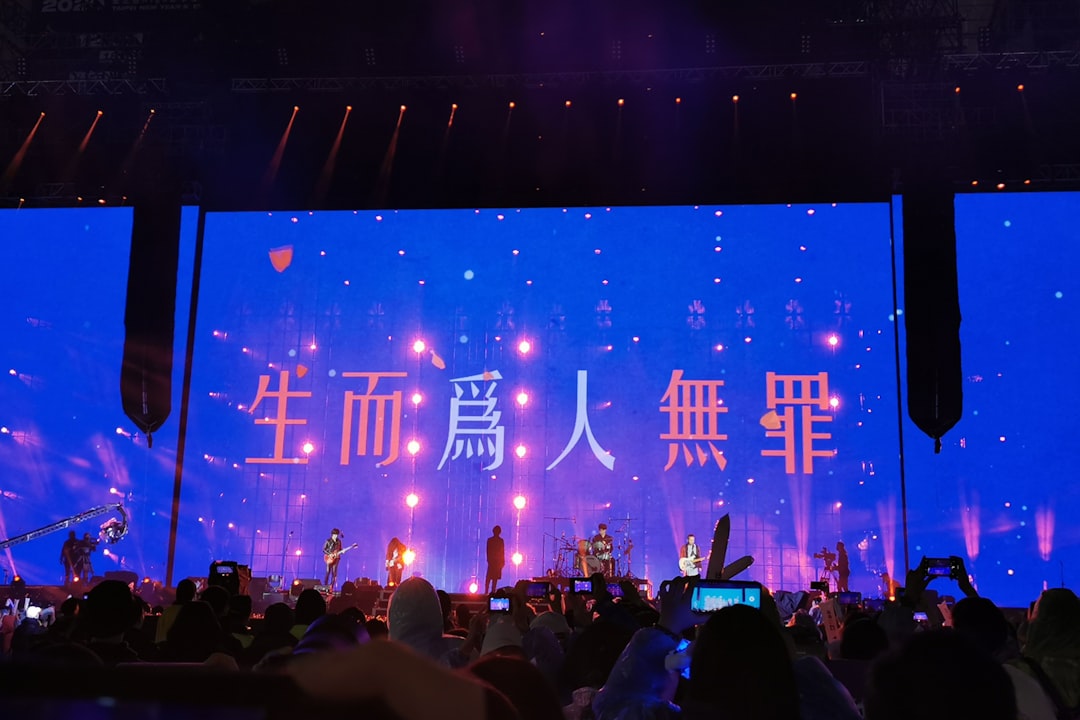
Henan Television's Spring Festival Gala broadcast was abruptly terminated during its live transmission on February 16, according to reports circulating among Chinese media professionals and social media users. The cancellation, which came after the production had cleared multiple approval stages, represents an unprecedented intervention in China's most important annual cultural programming.
The takedown order reportedly originated from central authorities in Beijing, leaving provincial broadcasters with no recourse for appeal. Months of preparation and substantial financial investment—described by sources as "mountains of RMBs"—were effectively nullified by the decision. The broadcast featured performer Zhang Ao Yue, though specific content that may have triggered the intervention has not been publicly identified.
In China, as across Asia, long-term strategic thinking guides policy—what appears reactive is often planned. Yet this incident reveals tensions between provincial cultural production and central control mechanisms that have intensified under President Xi Jinping's administration. The Spring Festival Gala, known as Chunwan in Mandarin, represents China's largest annual television event, with provincial versions complementing the flagship national broadcast produced by China Central Television.
Henan province has invested heavily in cultural programming in recent years, attempting to leverage its historical significance as a cradle of Chinese civilization. Provincial galas have competed for viewership by incorporating traditional elements with modern production techniques, often featuring elaborate performances celebrating regional heritage. The province's television authority had reportedly secured all necessary approvals through the standard multi-tier review process before the broadcast commenced.
The intervention illustrates the unpredictable nature of content approval in China's current media environment. Even productions that pass preliminary censorship reviews can face sudden cancellation if central authorities determine content conflicts with current policy priorities or messaging guidelines. This creates substantial financial and operational risks for provincial media organizations attempting to produce ambitious programming.
Foreign observers and Chinese media professionals noted the incident reflects broader patterns in content control under the current administration. The centralization of approval authority means provincial autonomy in cultural production has diminished, even for traditional celebrations that historically allowed regional variation. The lack of appeal mechanisms leaves provincial broadcasters vulnerable to abrupt interventions without explanation or recourse.
The timing—during the Year of the Horse Spring Festival celebrations—adds particular significance to the cancellation. The Spring Festival represents China's most important family-oriented holiday, with programming traditionally offering some latitude for regional cultural expression within approved ideological boundaries. The mid-broadcast shutdown suggests that even this limited space for provincial creativity faces heightened scrutiny.
Chinese social media discussion of the incident appeared limited, likely due to content moderation of posts discussing censorship actions. The YouTube video documenting the broadcast attracted attention from overseas Chinese audiences and foreign observers tracking China's media landscape. Neither Henan Television nor central propaganda authorities have issued public statements addressing the cancellation.