
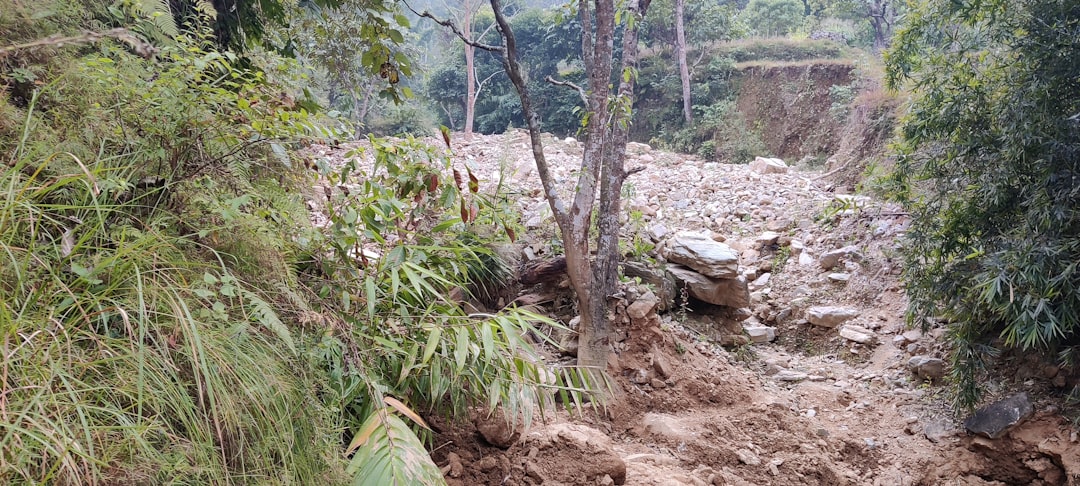
Banks Peninsula, the volcanic headland east of Christchurch, received 300 millimetres of rainfall in 48 hours from Sunday to Tuesday night — approximately ten times its typical monthly average of 35mm — triggering a local state of emergency, blocking State Highway 75 with slips, cutting telecommunications across the region, and leaving approximately 40 primary school children stranded at a camp.
The main route between Christchurch and Akaroa, State Highway 75, was blocked by multiple slips and flooding. A fibre optic cable was damaged, causing widespread communications outages. Around 250 properties lost power overnight. Both Wainui and Little River communities were placed under boil-water notices.
Duncan Sandeman, Canterbury Civil Defence Controller, confirmed on Wednesday that reopening the highway was the day's primary priority, with road repairs to be handled by contractors. Emergency communications were maintained through the 2degrees cell network — capable of transmitting texts — and satellite phones distributed to support emergency management.
The 40 primary school children stranded at Wainui Park Camp were assessed as safe. Josie Ogden Schroeder, CEO of the Kind Foundation, confirmed the group was situated at elevated facilities with adequate supplies, though the situation required ongoing monitoring as access roads remained blocked.
The rainfall total was striking even by New Zealand standards. The Peninsula's monthly average sits at 35mm. Christchurch city itself received 40mm in the same period — well above its 30mm monthly norm, but nowhere near the deluge that hit the Peninsula hills. The difference illustrates how localised and severe New Zealand's extreme weather events can be, and how unprepared local infrastructure often is when they arrive.
Locals have questioned why MetService issued an orange weather warning rather than a red alert for the event. Meteorologist Katie Lyons said post-event analysis would examine whether the warning level matched the actual impacts. It is a legitimate accountability question. Warning levels drive emergency preparation and public response. If orange warnings are producing red-level outcomes — a state of emergency, a major highway blocked, children stranded, boil-water notices — then either the calibration is off or the modelling is inadequate.
For Banks Peninsula, this event is not without precedent. The Peninsula and broader Canterbury region have been hit repeatedly by extreme weather in recent years. Local Government New Zealand data, released in January, documented that New Zealand spent 72 days under declared states of emergency in 2025 alone — compared to an annual average of just 13.4 days a decade ago. Eighty percent of those emergencies involved severe weather or flooding.
RNZ's reporting on the Banks Peninsula event is the latest entry in a very long list. Mate, the pattern is clear. The events are becoming more frequent, more severe, and more disruptive. The institutional response — warning systems, infrastructure standards, emergency funding frameworks — has not kept pace.