Bangladesh secured Iranian assurances for safe passage through the Strait of Hormuz after intensive diplomatic efforts, as 120,000 tonnes of fuel heads toward Chattogram port through one of the world's most contested waterways.
A billion people aren't a statistic—they're a billion stories. For Bangladesh's 170 million citizens, the stakes of this diplomatic maneuvering are measured in whether the lights stay on, factories keep running, and the country avoids the kind of energy crisis that triggered mass protests in neighboring Sri Lanka in 2022.
Iran agreed that Bangladeshi vessels will be allowed passage after notifying Iranian authorities before entering the strait, energy officials confirmed. The arrangement provides immediate relief for a country heavily dependent on imported fuel with minimal strategic reserves.
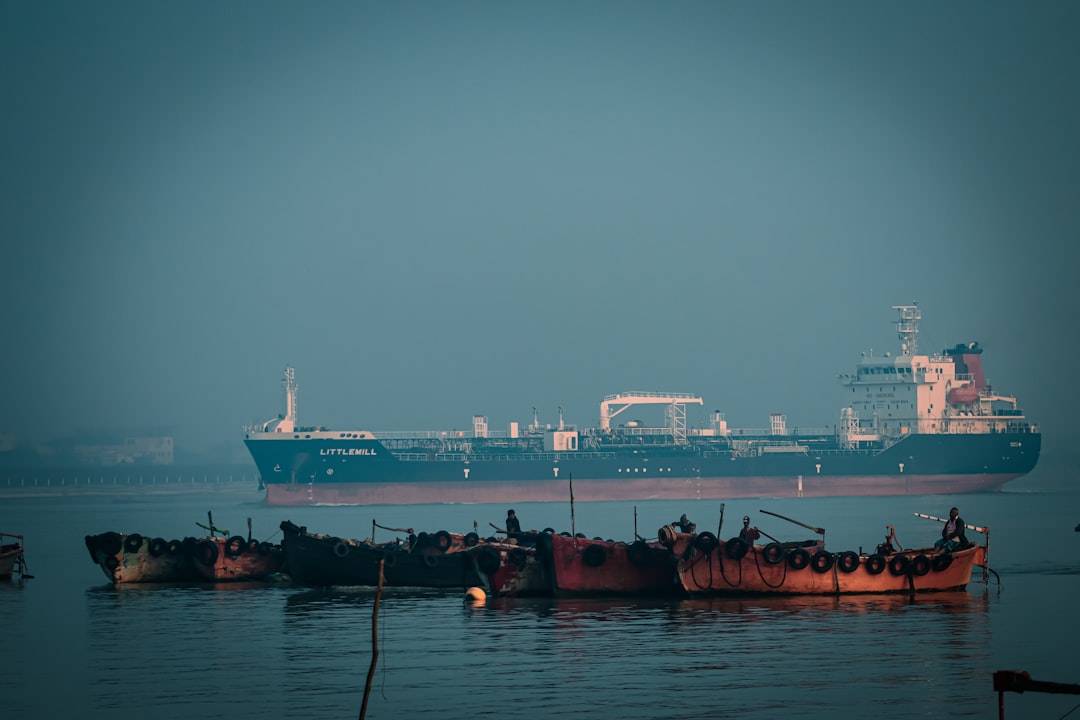
A vessel carrying 27,000 tonnes of diesel arrived at Chattogram port from Singapore on March 9. Four more ships carrying 120,205 tonnes of fuel are scheduled to arrive this week—all must pass through the Strait of Hormuz, where Iranian and US naval forces are engaged in active hostilities.
The Strait of Hormuz is the world's most critical oil chokepoint, with roughly 21 million barrels passing through daily—about 21% of global petroleum liquids consumption. For Bangladesh, which imports virtually all its oil and liquefied natural gas, the strait's closure would be catastrophic.
Bangladesh's interim government, led by Chief Adviser Muhammad Yunus, launched "multiple strategic measures" to ensure fuel security, according to energy ministry officials. Those measures included direct diplomatic outreach to Tehran, coordination with shipping companies to adjust routes if necessary, and stockpiling efforts.
The crisis exposes the vulnerability of smaller nations to great power conflict. Bangladesh has no stake in the Iran-US confrontation. It maintains friendly relations with both countries. Yet its energy security—and by extension, its economic stability—depends on the decisions made in Washington and Tehran.