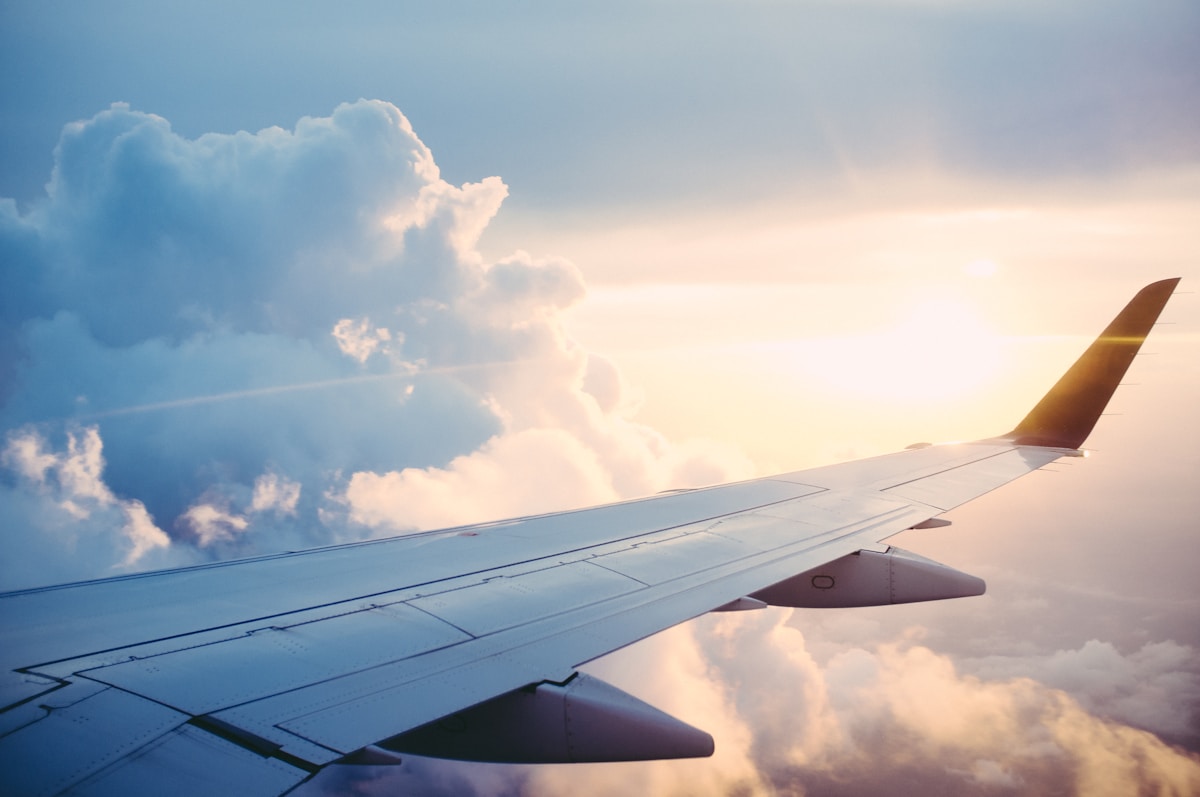
A Biman Bangladesh Airlines aircraft touched down at Karachi's Jinnah International Airport Thursday morning, carrying 150 passengers and ending a 14-year suspension of direct flights between Bangladesh and Pakistan - a gap born from historical wounds that still shape South Asian geopolitics.
The arrival of flight BG-092 from Dhaka marks more than resumed air service between two nations with 385 million people combined. It represents families reunited, business deals revived, and a tentative diplomatic thaw between countries whose relationship has been frozen since Bangladesh's bloody 1971 war of independence from Pakistan.
"I'm Going to See My Mother After Seven Years"
A billion people aren't a statistic - they're a billion stories. Farida Rahman, 52, was among the first passengers, traveling to see her elderly mother in Lahore.
"Before, I had to fly to Dubai or Kathmandu, then connect to Pakistan," she told reporters at Dhaka airport before departure. "A four-hour journey took 15 hours and cost three times as much. For working people like me, it meant choosing between bills and family."
Direct flights operated regularly until 2012, when Biman suspended the route citing "commercial viability" - diplomatic code for the political sensitivities that still surround Pakistan-Bangladesh relations. Pakistan's military killed an estimated 300,000 to 3 million Bangladeshis during the 1971 independence war, a number still disputed between the two governments.
Cricket Diplomacy Opened the Door
The resumption follows Bangladesh's cricket team touring Pakistan in 2020 - the first visit by a major Bangladeshi delegation in decades. Sports, as often in South Asia, provided cover for politicians to rebuild ties without admitting fault.
"Neither government wants to explicitly address 1971," explained Dr. Ayesha Siddiqa, an Islamabad-based defense analyst. "So they use trade, sports, cultural exchanges. Cricket did what diplomats couldn't."
The twice-weekly service will initially connect Dhaka and Karachi, with potential expansion to Lahore and Chittagong if demand warrants. Pakistan International Airlines plans to launch reciprocal flights within weeks.
Trade between the nations totaled just $78 million in 2025 - a fraction of Bangladesh's $7.4 billion trade with neighboring India. Business groups in both countries see the flights as essential infrastructure for growth.
"Pakistan produces textiles Bangladesh needs. Bangladesh has pharmaceuticals we import from China," said Khurram Dastgir, president of the Karachi Chamber of Commerce. "The lack of direct flights wasn't just inconvenient - it was economically irrational."
Hundreds of Thousands Separated by History
When Pakistan's eastern and western wings violently split in 1971, the partition scattered families across borders. An estimated 400,000 Bengalis remained in Pakistan, while thousands of Urdu-speaking Pakistanis stayed in Bangladesh - communities known as "stranded Pakistanis" and "Biharis."
Many have never seen relatives on the other side. Others, like Farida Rahman, built careers in one country while aging parents lived in the other, forced to navigate visa restrictions and circuitous travel routes.
"My children have never met their grandmother," Rahman said. "The cost and complexity made it impossible. Now maybe that changes."
The resumption required months of negotiation between civil aviation authorities, with both countries conducting security assessments. Pakistan had concerns about Bangladeshi travelers with links to opposition groups; Bangladesh worried about treatment of its citizens by Pakistani immigration.
India Watches Warily
The development caught attention in New Delhi, where officials monitor any Pakistan-Bangladesh rapprochement. India shares a 4,096-kilometer border with Bangladesh and has substantial economic and strategic interests in keeping Dhaka aligned westward rather than toward Islamabad.
"India won't publicly object," said a senior Indian foreign ministry official who requested anonymity. "But we're watching. Bangladesh is the cornerstone of our 'Neighborhood First' policy."
For passengers like Imran Hossain, a textile trader flying to meet Karachi suppliers, the geopolitics matter less than the practicalities.
"I don't care about 1971 or cricket or what India thinks," he said while boarding in Dhaka. "I care that I can fly direct, save money, and spend more time with my family. That's the real story here."
Biman Bangladesh Airlines and Pakistan International Airlines plan to assess passenger loads over the next three months before deciding whether to increase frequency or add routes. Both carriers face financial pressures and can't sustain loss-making routes for political symbolism.
But for now, the resumption represents a small step toward normalizing relations between neighbors who share language roots, cultural ties, and a complex, painful history that still shapes South Asia's political geography.