Everyone's talking about grid-scale solar and utility storage. But the interesting story is happening on balconies and rooftops. A new study shows that balcony solar installations almost always generate positive returns, but adding battery storage remains economically complicated.
The math on distributed solar is getting better. But storage costs are still the bottleneck, and it's not just about battery prices.
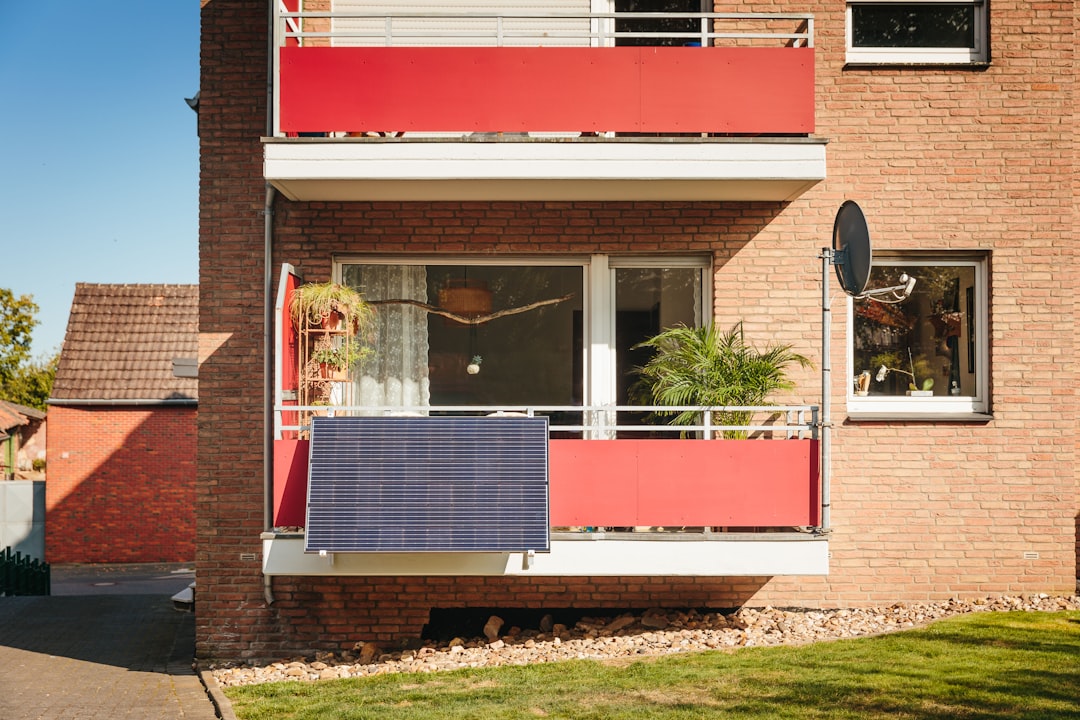
Balcony solar systems, those small panel installations common in Europe that plug directly into your apartment's electrical system, have reached an economic tipping point. The panels are cheap enough, installation is simple enough, and electricity prices are high enough that the return on investment is positive in most markets.
These aren't the rooftop installations that require permits and electricians. These are plug-and-play systems you can install yourself in an afternoon. One or two panels, a micro-inverter, and a standard outlet. They're not going to power your whole apartment, but they'll offset a meaningful chunk of your baseline consumption.
The study found that these systems almost always pay for themselves over their lifetime, even accounting for the upfront cost and installation. In markets with high electricity prices or good feed-in tariffs, payback periods can be as short as 5-7 years on equipment that lasts 20-25 years.
But here's where it gets complicated: storage.
Adding batteries to store excess solar generation for evening use seems like it should improve the economics. Generate during the day, use at night, reduce your grid dependence. Simple math, right?
Except it's not. Storage is more complicated than just battery costs. It's about usage patterns, grid policies, time-of-use rates, battery degradation curves, and opportunity costs of capital.
In most markets, the additional cost of batteries extends the payback period beyond the battery's useful life. You're spending money to store energy that would have been cheaper to just buy from the grid when you need it.
There are exceptions. If you have time-of-use pricing with extreme peak rates, storage might make sense. If you're in a market with poor feed-in tariffs where you can't sell excess generation back to the grid, storage improves the value proposition. If you care about backup power during outages, there's a non-economic value to storage.
But for most people in most markets, the economics don't work yet. The batteries cost too much and degrade too fast relative to the value they provide.