

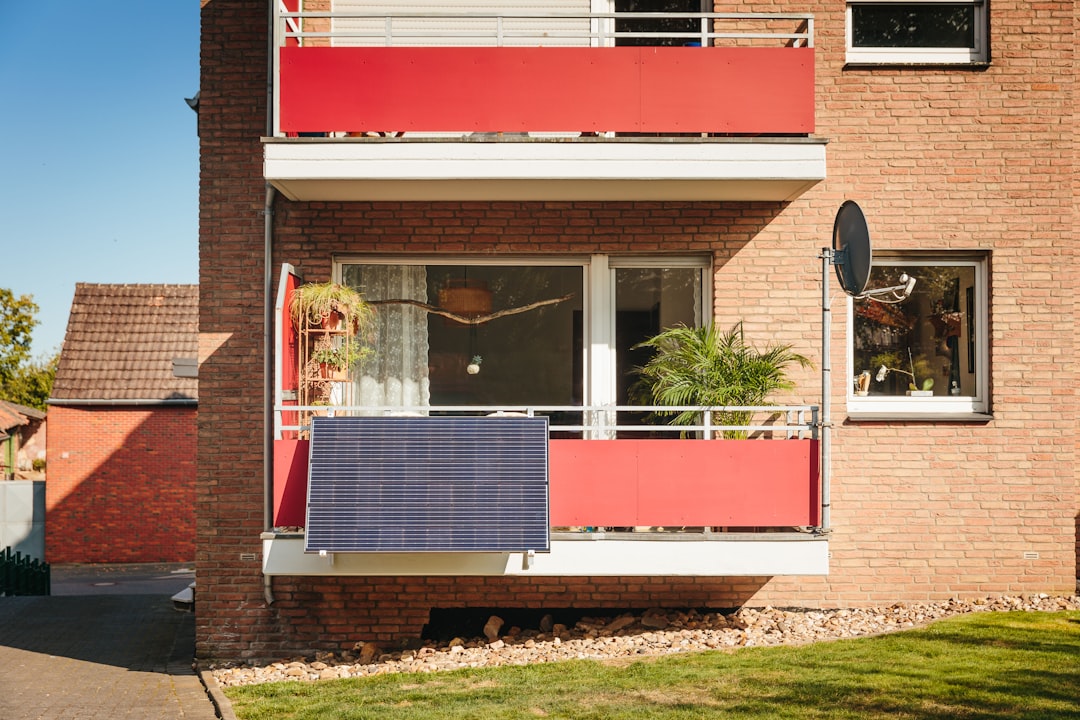
Here's a technology story that's more about policy than innovation: plug-in solar panels are sweeping state legislatures, and it's about time.
Lawmakers in 28 states and Washington, D.C. are introducing legislation to legalize DIY balcony solar systems. Only Utah has explicitly permitted them so far, but the momentum is building. And unusually for anything touching energy policy, this has bipartisan support.
The Technology Works
Let's be clear: this isn't some breakthrough innovation. Balcony solar has been proven at scale. Germany has about 4 million household installations. You can buy these systems at IKEA.
The tech is straightforward — a small solar panel you plug into a wall outlet. An 800-watt unit costs around $1,100 and could cut a typical household's electricity bill by roughly $280 per year. That's not revolutionary, but it's real savings for people dealing with rising utility costs.
The Regulatory Barrier
So why has this taken so long in the United States? Because current law requires interconnection agreements with utilities, creating delays and fees that make small installations economically impractical.
Utah solved this by eliminating the interconnection requirement for devices that pass safety certification testing. The world didn't end. The grid didn't collapse. People just started saving money on their power bills.
Who Opposes This?
Some utilities cite safety concerns about grid capacity, but that argument doesn't hold up under scrutiny. These systems are capped at 1,200 watts — less than a hairdryer. Most of the power they generate gets consumed immediately by household appliances. They're not overloading anything.
The real concern is probably economic. Utilities make money selling electricity. Small-scale distributed solar means less revenue. But that's not a safety issue — it's a business model issue.
Why This Matters
This is one of those rare technology stories where the tech works, the economics work, and the environmental case is solid. What's been missing is the policy framework.
