As oil crises and geopolitical tensions dominate headlines in 2026, experienced backpackers are questioning whether to proceed with long-term travel plans. The uncertainty reveals anxieties about hostel vibes, flight reliability, and whether the backpacking community itself is slowing down this year.
A well-seasoned traveler planning a major trip from the UK to NYC, then through Central America into South America, hasn't booked anything yet—and openly wonders if proceeding is "really stupid" given current global conditions.
The question sparked a revealing discussion among the backpacking community about what 2026 means for long-term travel.
What's Actually Concerning Backpackers
The worries break into several categories:
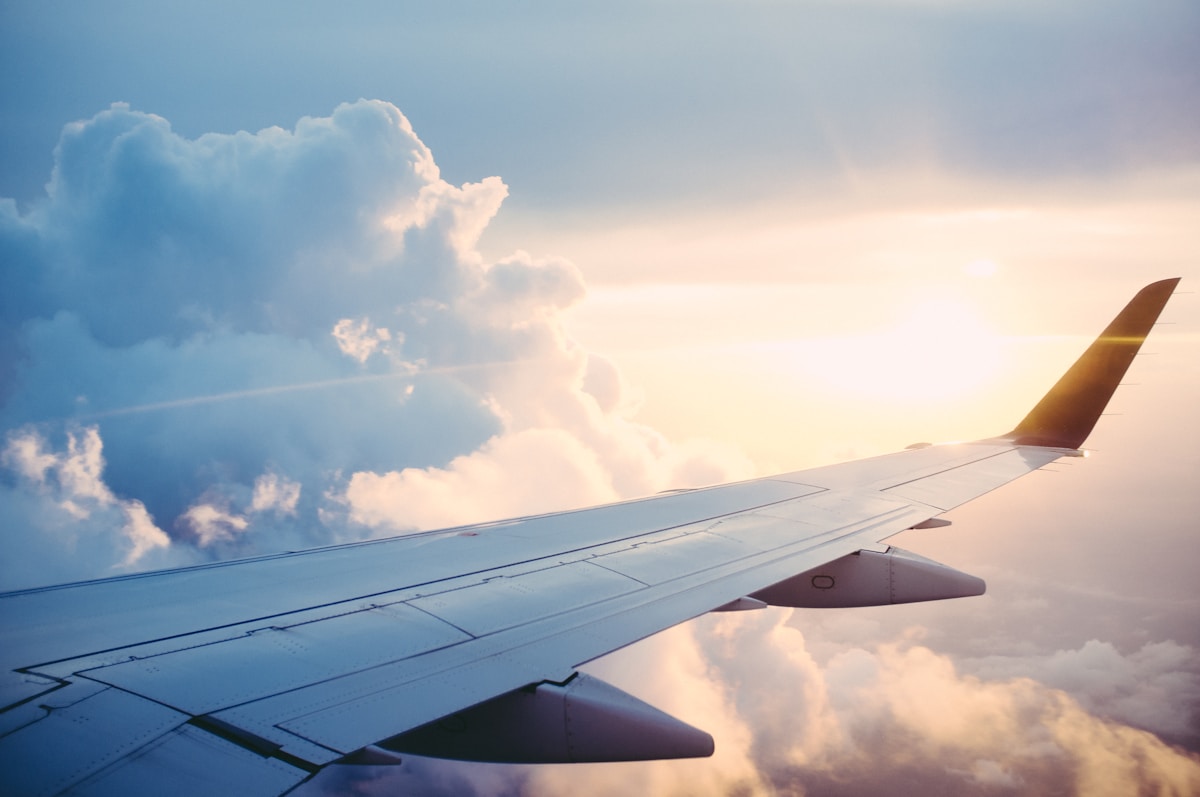
Flight reliability: Will airlines maintain routes? Will prices spike further? Could geopolitical events suddenly strand travelers?
Community vibes: Are other backpackers staying home, potentially leaving hostels empty and the social aspects of travel diminished?
Economic uncertainty: How will global economic instability affect exchange rates, local prices, and budget travel logistics?
Safety considerations: Does heightened global tension create additional risks in certain regions?
Notably, these concerns differ from typical travel anxieties. Experienced backpackers aren't worried about basic safety or logistics—they're questioning whether the experience of backpacking will be fundamentally different in 2026.
The Community Response: Mostly "Just Go"
Responses in the r/backpacking thread skewed toward encouragement, with experienced travelers noting that there's always some global crisis, and waiting for perfect conditions means never traveling.
Several commenters pointed out that Central and South America remain relatively insulated from oil crisis impacts compared to other regions. Others noted that flight prices are always uncertain, and attempting to time the market rarely works.
One perspective: economic uncertainty might actually improve travel experiences by reducing crowds at popular destinations—though it could equally diminish hostel communities if fewer backpackers are traveling.
The Practical Calculation
For budget travelers, the 2026 calculation looks different than for typical tourists:
Long-term backpackers spending months on the road face greater exposure to potential disruptions. A two-week vacation has limited risk; a six-month trip through multiple countries has more variables.
Flexible itineraries matter more in uncertain times. Travelers with the ability to adapt routes, change plans, and handle unexpected situations fare better than those committed to rigid schedules.
Financial buffers become critical. Emergency funds for unexpected flight changes, earlier returns, or crisis-related expenses provide options when situations change.
Communication plans ensure travelers can stay connected with family and access funds or support if needed.
Regional Considerations for 2026
Not all destinations carry equal uncertainty:
Latin America remains largely stable for backpackers, with established gringo trails and robust infrastructure. The region has dealt with economic crises before and tourism infrastructure adapts.
Southeast Asia continues as a backpacker hub, though geopolitical tensions in the broader region create some concerns.
Europe faces energy uncertainty but maintains strong tourism infrastructure and communication systems.
Middle East and Eastern Europe regions near active conflicts obviously carry heightened considerations.
The Philosophical Question
This situation raises a fundamental question: What's the purpose of long-term travel?
If backpacking is about escaping routine, gaining perspective, and experiencing different ways of living, then perhaps uncertain times make travel more valuable, not less. Global events feel very different when you're experiencing them from multiple countries rather than watching news from home.
Alternatively, if travel is primarily about fun, relaxation, and enjoyment, then adding stress from global uncertainty might undermine those goals.
The Verdict
For experienced backpackers with flexible plans, financial buffers, and adaptable mindsets, 2026 travel remains viable—perhaps even enriched by the unique perspective of witnessing this historical moment from the road.
For first-time long-term travelers or those with rigid itineraries and tight budgets, waiting for more stable conditions might be prudent.
The best travel isn't about the destination—it's about what you learn along the way. And sometimes what you learn is that uncertainty is part of the journey, and waiting for perfect conditions means missing the experience entirely.