After seven months of lonely solo travel, a backpacker finally found their tribe last week and stayed an extra week. Now three cities away, they deeply regret leaving and wonder if it's worth the money and visa time to go back.
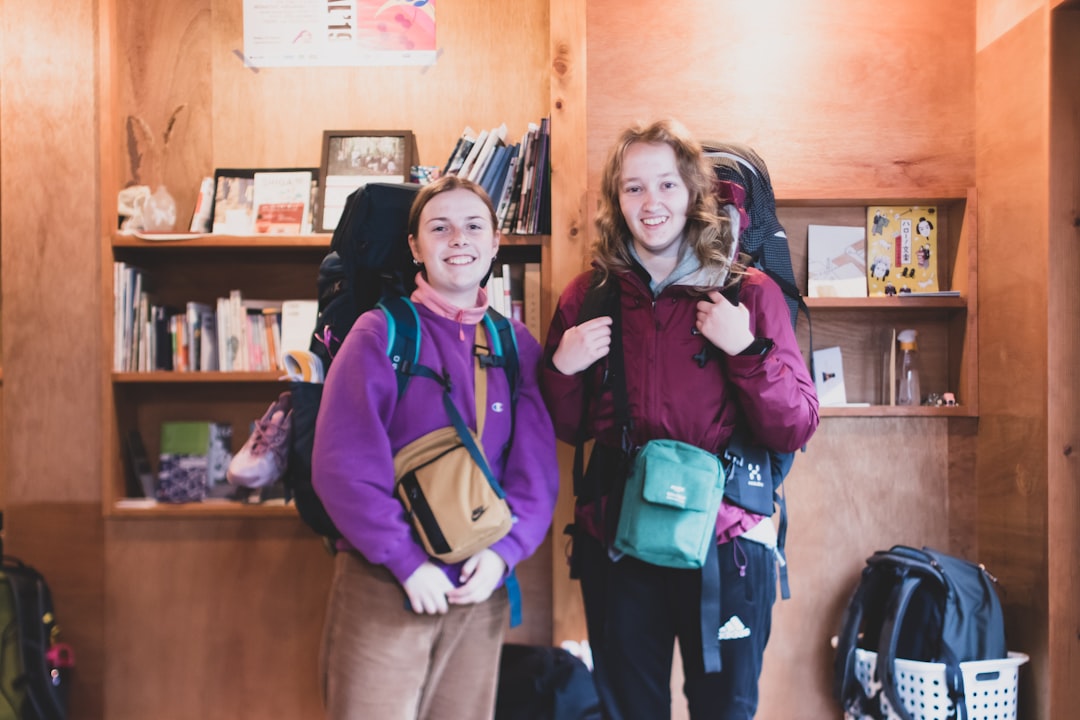
The r/backpacking post captures the emotional reality of long-term solo travel: "I met some amazing people last week and decided to miss my bus and stay another week to hangout. After 7 months of solo travel and feeling quite lonely and exhausted, I finally felt like I made some great friendships and found my tribe."
The loneliness-excitement cycle
"My visa for my country of travel expires in 3 weeks so the time inevitably came where I decided to move on, as I have 4/5 stops to cover and wanted to leave things relatively open," they wrote. After a 12-hour night bus, regret set in immediately.
"Despite being in a cool new city, I miss my friends. I'm in a weird funk also because the day before I met my friends I was ready to pack it all in and go home. But the last week in their company flew by and it was super fun. I miss that kind of excitement where you don't even notice the time going by. I felt like a kid again."
The post reveals a pattern familiar to long-term backpackers: months of grinding through loneliness, then a brief period of genuine connection, followed by the choice between itinerary or people.
The math of connection versus coverage
With only three weeks of visa time remaining and "4/5 stops to cover," the traveler faces a stark choice: sacrifice planned destinations to return to friends, or continue alone knowing those friendships may not last.
The uncertainty compounds the decision: "I have no idea how long they're going to stay in the previous city so I feel stupid to waste money again going back."
Several experienced backpackers in the comments shared similar regret stories. The consensus: if the connection was genuine and they're staying put, go back. Temples and viewpoints will always be there. Specific people at specific times won't.
When to prioritize people over places
One commenter reframed the question: "You were ready to go home the day before you met them. Now you're three cities away and still thinking about them. That tells you something."
Another pointed out the sunk cost fallacy: "You already 'wasted' money staying an extra week the first time. If that week was worth it, why wouldn't another be?"
The challenge for itinerary-focused travelers: shifting from checklist mode (cover all planned stops) to experience mode (follow what feels meaningful). Seven months of lonely travel suggests the current approach isn't working.
The reality of backpacker friendships
Long-term backpackers often describe a paradox: you meet incredible people constantly, but the transient nature means friendships rarely deepen. Finding a "tribe"—people you genuinely click with, not just friendly hostel acquaintances—is rare enough to warrant changing plans.
Several commenters recommended reaching out to the friends directly: "Ask them how long they're staying. Don't make the decision in the dark."
If they're also planning to stay longer or are flexible, returning makes sense. If they're leaving in a few days anyway, the window has closed.
What the research shows
While specific studies on backpacker social patterns are limited, research on loneliness and travel suggests that extended solo travel can increase social isolation despite frequent surface-level interactions. The quality of connection—finding your "tribe"—matters more than quantity.
The traveler's description of feeling "like a kid again" when time flew by points to genuine compatibility, not just travel loneliness making any company feel good.
Making the call
The best travel isn't about the destination—it's about what you learn along the way. What this traveler is learning: seven months of lonely sightseeing feels hollow compared to one week of genuine connection.
The question isn't whether to go back. It's whether prioritizing the itinerary over people has made the trip better or worse.