
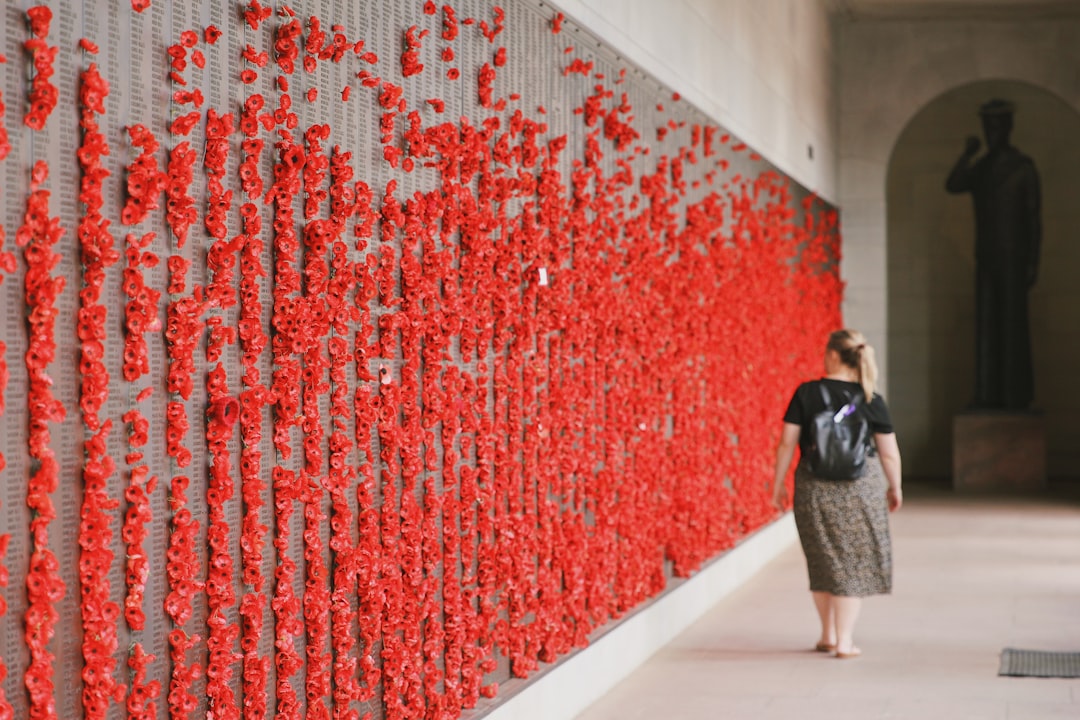
The Australian War Memorial will review its display featuring Ben Roberts-Smith following his arrest on war crimes charges. The memorial currently exhibits items related to the Victoria Cross recipient, raising questions about how Australia commemorates military service while grappling with alleged war crimes.According to the ABC, the Canberra institution confirmed it will assess how to handle displays related to Roberts-Smith in light of the criminal charges he now faces for the alleged murder of Afghan civilians.This is about how Australia remembers its military history. The War Memorial has been criticized for glorifying recent conflicts without acknowledging misconduct. This review will test whether the institution can balance honoring service with accountability for alleged crimes.The Australian War Memorial is the nation's principal institution for military commemoration and history. It houses extensive exhibits on Australia's involvement in conflicts from the Boer War to Afghanistan, drawing more than 1 million visitors annually.The memorial's Afghanistan galleries include displays honoring the 41 Australian service members killed in action and the broader ADF contribution to the 20-year conflict. Roberts-Smith, as the most decorated living Australian soldier, features in exhibits about special forces operations.But the Brereton Report's findings of alleged war crimes by SAS personnel, and Roberts-Smith's subsequent defamation trial loss where a judge found evidence he murdered unarmed prisoners, have complicated how the memorial presents this history.Museum ethics experts argue institutions must grapple with difficult histories rather than sanitize them. The War Memorial faces a challenge: how to honor the majority of soldiers who served honorably while acknowledging evidence of serious crimes by some personnel.Some veterans and their families have called for Roberts-Smith's displays to be removed entirely, arguing his alleged crimes disqualify him from commemoration. Others warn against erasing history, suggesting context should be added explaining the allegations and ongoing prosecution.The memorial has previously struggled with contested history. Its coverage of frontier wars between Indigenous Australians and colonizers was minimal for decades, only recently expanded after sustained criticism. The institution has faced accusations of avoiding uncomfortable truths about Australian military conduct.Director Matt Anderson has indicated the memorial will take a measured approach, reviewing displays in consultation with veterans, historians, and the broader community. No immediate changes have been announced pending the criminal trial's outcome.Legal experts note that Roberts-Smith is entitled to presumption of innocence. However, the defamation judgment finding substantial truth to allegations of murder already creates a factual record that the memorial must consider.The review comes as the memorial undergoes a controversial $500 million expansion, criticized by some historians for focusing on military hardware and heroic narratives rather than critically examining the human costs and strategic decisions of war.For the families of alleged Afghan victims, the memorial's handling of Roberts-Smith's legacy matters deeply. Afghan witnesses have testified about relatives they allege were murdered by Australian special forces. How Australia remembers these operations affects their pursuit of justice and accountability.The memorial has announced it will also consider how to acknowledge the Brereton Report findings more broadly in its Afghanistan galleries, beyond just Roberts-Smith's individual case. This could include exhibits on the subsequent war crimes investigation and prosecutions.Veterans' advocates emphasize the vast majority of Australian personnel who served in Afghanistan did so honorably and professionally. They argue the memorial should maintain recognition of their sacrifice while acknowledging the criminal allegations against a minority.Mate, how we remember war matters. The War Memorial can't just present heroic narratives while ignoring evidence of crimes. This review will show whether Australia is willing to confront the full complexity of its military history.
|