Australian women and children with family ties to Islamic State members are leaving detention camps in Syria, ending a years-long saga that pitted human rights advocates against security hawks in Canberra.
The repatriation, reported by the ABC, represents a significant shift in Australia's approach to citizens caught up in the Syrian conflict. For years, successive Australian governments resisted bringing these families home, citing security concerns and the complexity of prosecuting individuals who may have been in ISIS-controlled territory.
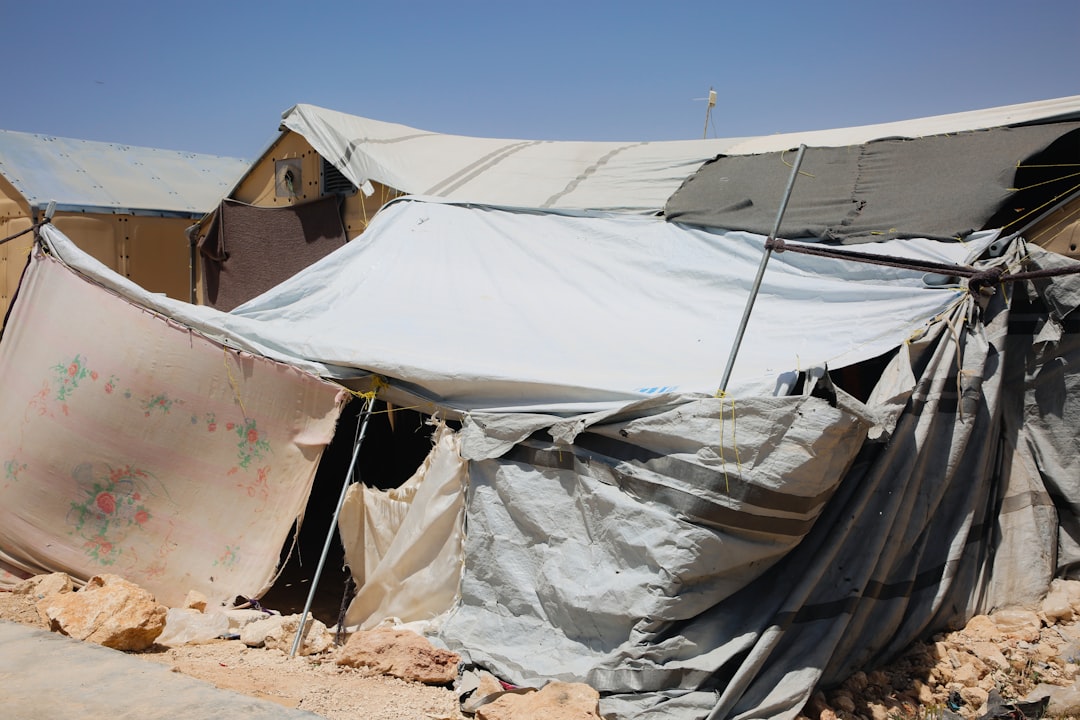
The families are believed to include women who travelled to Syria to join or support ISIS, along with their children, some of whom were born in the conflict zone. They've been held in camps like al-Roj and al-Hol in northeast Syria, facilities criticized by human rights groups as indefinite detention without trial.
The decision comes after sustained legal pressure. Courts in Australia have increasingly questioned whether the government can simply abandon citizens abroad, particularly children who had no agency in their parents' decisions. Human rights lawyers argued that leaving Australian children in Syrian camps violated international obligations and basic standards of citizenship.
But the security calculations are genuine. Australia has one of the most extensive foreign fighter problems in the Western world per capita. More than 230 Australians travelled to Syria and Iraq during the height of ISIS, according to government estimates. About half were killed, and roughly 80 returned before Australia began cancelling passports and imposing travel bans.
Upon return, these families face intensive security monitoring. Australian Federal Police and intelligence agencies have prepared protocols that include control orders, ongoing surveillance, and in some cases, prosecution for terrorism-related offences. The children will require trauma counseling and deradicalization support, a process that takes years and significant resources.
The repatriation also renews questions about how democracies handle citizens who ended up in war zones. France, Germany, and Sweden have quietly repatriated hundreds of women and children over the past two years, prioritizing children's welfare while maintaining strict security protocols for adults.
Australia's approach has been slower and more cautious. Critics argue this reflects a political calculation—that bringing ISIS-linked families home is deeply unpopular with voters who remember the 2014 siege in Sydney and the 2017 Brighton attack, both carried out by individuals inspired by ISIS propaganda.
But leaving children in Syrian camps indefinitely was becoming legally and morally untenable. The camps are controlled by Kurdish forces with uncertain long-term stability. Aid organizations warn of radicalization within the camps themselves, as hardcore ISIS supporters continue to exert influence.
Mate, this is about what happens when Australians make catastrophic choices in foreign conflicts. These families represent one of the darkest chapters of the ISIS era. The question now is whether Australia has the legal framework, security capacity, and social infrastructure to manage their return without compromising public safety or abandoning fundamental principles of citizenship.
The repatriation is expected to be completed in stages, with Australian officials coordinating through international partners and Kurdish authorities. The exact number of individuals being brought back has not been disclosed for security reasons, though estimates suggest it could be several dozen women and children.
For the children especially, the return marks the beginning of a long and uncertain journey. They face the challenge of integrating into a country many have never known, carrying trauma from years in conflict zones and detention camps. How Australia handles this will test both its security institutions and its capacity for compassion.