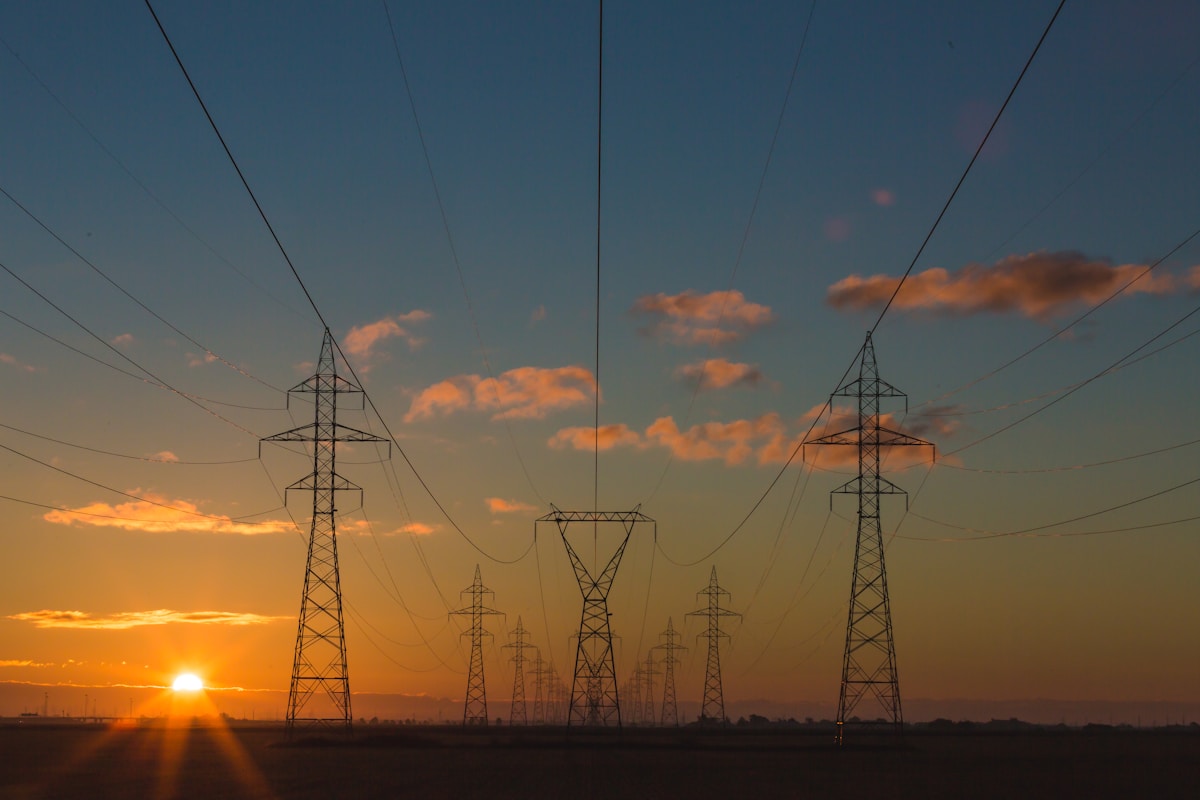
Australia needs to electrify as much infrastructure as possible, as fast as possible — not just for climate targets, but for economic security in an unstable world.
Energy experts are calling for urgent acceleration of electrification across transport, freight, and industrial sectors, arguing the shift represents both climate necessity and protection against global fuel supply disruptions.
According to RenewEconomy, the Iran crisis and resulting oil market volatility demonstrate how fossil fuel dependence creates economic fragility for import-dependent nations like Australia.
Mate, here's what the Pacific region is watching: whether Australia uses its renewable energy advantages or stays locked into imported fossil fuels while island nations drown from the climate consequences.
The analysis notes that Australia has fuel supplies only "through to the end of May," after which there's a global "race" to secure additional supply. That vulnerability makes electrification an urgent security priority, not just an environmental goal.
The traditional argument has been flipped. Energy analysts now argue that "renewables are needed to firm oil, gas and coal when the ship won't go and the pipeline doesn't flow" — reversing the fossil fuel industry's claim that gas firms renewables.
Pakistan avoided USD $12 billion in oil imports since 2020 through renewable deployment, demonstrating electrification's economic protection benefits. For Australia, with far greater renewable resources and wealth, the potential savings and security gains are massive.
The sectors requiring most urgent attention are aviation and trucking, where Australia depends heavily on fuel imports. Electric trucks are already achieving price parity with diesel vehicles, making the transition economically viable.
But political resistance remains fierce. The fossil fuel lobby maintains enormous influence in Canberra, and cultural attachment to petrol vehicles runs deep. The gap between what's technologically and economically feasible and what's politically possible remains wide.
The urgency also connects to Pacific climate leadership — or the lack of it. Australia has faced withering criticism from Pacific Island nations for slow climate action. Rapid electrification would demonstrate the transition is achievable for developed nations.
Low-lying Pacific countries like Tuvalu and Kiribati are literally disappearing due to climate change driven substantially by fossil fuel consumption in wealthy nations. Australia's continued dependence on imported oil is both an economic vulnerability and a moral failure.
Reddit discussions on the electrification push showed enthusiasm from climate-conscious users, though skepticism about whether political will exists to move at the necessary speed.
The technology exists. The economic case is clear. The security argument is compelling. Whether Australia can overcome political inertia and vested interests to electrify rapidly remains the open question.