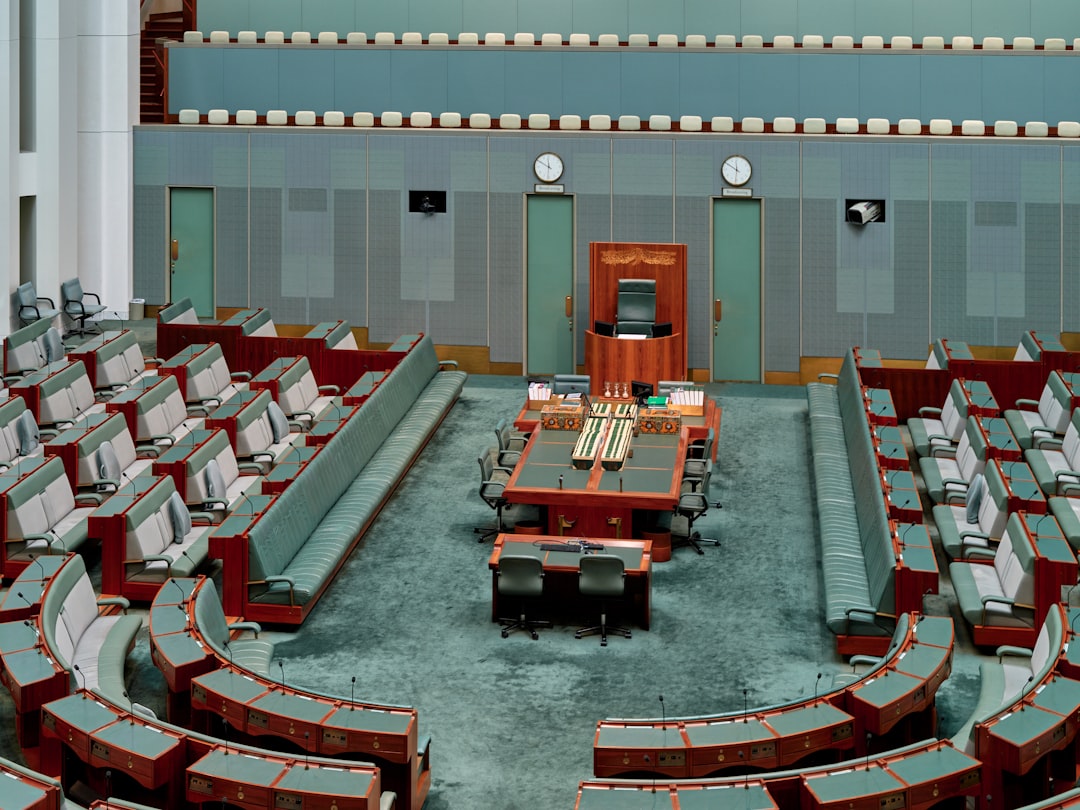
Senators Fatima Payman and Mehreen Faruqi, along with Independent MP Lidia Thorpe, are demanding Labor change parliamentary rules to address what they call "overt racism" in Australia's parliament.
The push, reported by The Guardian, highlights ongoing tensions over race and representation in Canberra - and whether parliamentary rules protect racist behavior rather than prevent it.
This speaks to deeper issues in Australian politics: the treatment of non-white MPs and senators, and whether the institution's rules are designed to protect those in power rather than vulnerable representatives.
Payman, a Muslim senator who made headlines by crossing the floor on Palestine, has faced intense scrutiny and personal attacks. Faruqi, a Greens senator, has been subjected to racist commentary both inside and outside parliament. Thorpe, an Indigenous independent, has been repeatedly targeted for her activism and confrontational style.
What connects them is simple: they're women of colour who refuse to stay quiet. And the parliamentary system, they argue, doesn't protect them from racist attacks - it enables those attacks through rules that prioritise parliamentary privilege over basic human dignity.
The specific rule changes they're demanding haven't been publicly detailed. But the principle is clear: current parliamentary rules allow racist language and behavior to go unchallenged under the guise of parliamentary debate and privilege.
Mate, parliamentary privilege was meant to protect MPs from being sued for what they say in parliament. It wasn't meant to be a shield for racism. But that's how it's being used.
The Labor government's response will be telling. Prime Minister Anthony Albanese has made diversity and inclusion key themes of his government. But changing parliamentary rules requires political will and the numbers to back it.