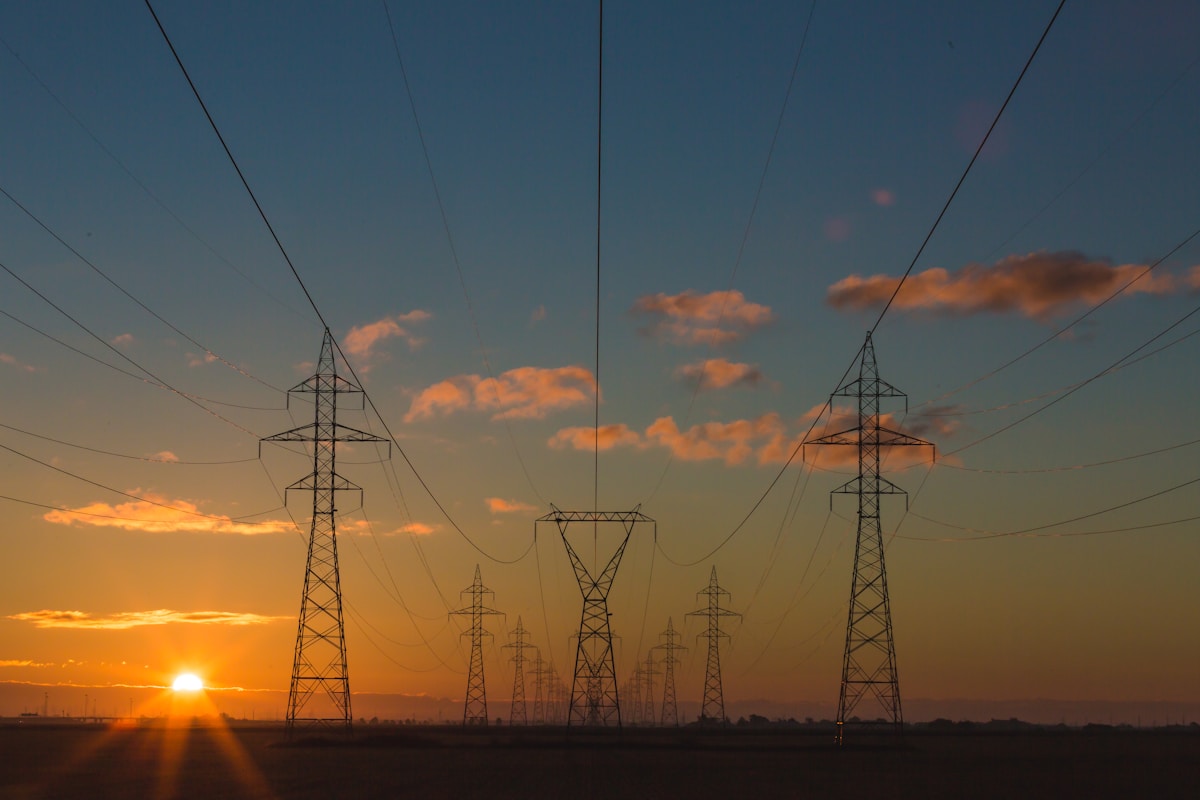

Australia's rapidly growing fleet of 600,000 residential battery systems is delivering substantial benefits to the electricity grid even without coordinated central control, demonstrating how distributed energy resources can transform power systems through individual household decisions.
The Australian Energy Market Operator (AEMO) reports that home batteries are cutting system costs and reducing power bills for all consumers by reshaping demand patterns, with total peak demand reduction potentially reaching 600 megawatts—equivalent to a large conventional power plant.
The phenomenon reflects homeowners' economic incentives to charge batteries during periods of low electricity prices (often when solar generation is abundant) and discharge during expensive peak periods. This behavior, multiplied across hundreds of thousands of households, flattens demand curves and reduces the need for expensive peaking power plants.
Notably, these benefits emerge even from batteries not enrolled in Virtual Power Plant (VPP) programs that coordinate distributed resources. The "passive" contribution of individually optimized batteries demonstrates that grid transformation can occur through market signals and consumer economics rather than requiring universal centralized coordination.
In climate policy, as across environmental challenges, urgency must meet solutions—science demands action, but despair achieves nothing. Australia's home battery deployment shows how distributed clean energy technology can reshape electricity systems faster than centralized planning cycles, enabling rapid decarbonization.
Australia has become a global leader in distributed solar and storage adoption, driven by high electricity prices, excellent solar resources, and supportive policies including feed-in tariffs and installation incentives. Approximately one-third of Australian homes now have rooftop solar, with battery adoption accelerating as costs decline.
The grid benefits extend beyond peak demand reduction. Home batteries improve local voltage stability, reduce transmission losses by matching generation and consumption geographically, and provide resilience during grid outages. Some systems can "island" from the main grid, maintaining household power during blackouts.
AEMO's analysis suggests that while passive benefits are significant, coordinated VPP arrangements could deliver even greater value by enabling batteries to provide grid services including frequency regulation, voltage support, and emergency reserves. However, the substantial passive contribution means VPP enrollment is beneficial but not essential for home batteries to transform grid operations.
The distributed model also carries equity implications. Battery installation costs, even with declining prices, require upfront capital that creates barriers for lower-income households and renters. This can create a dynamic where affluent solar-plus-storage adopters benefit from reduced bills while others bear increasing grid costs.
Policy makers are exploring mechanisms to democratize battery access, including community batteries that serve multiple households, financing programs to reduce upfront costs, and regulations ensuring that grid benefits from distributed resources translate to bill reductions for all consumers, not just battery owners.
The rapid deployment also challenges traditional utility business models and grid planning. As consumers increasingly generate, store, and manage their own electricity, utilities must adapt from centralized supply models to platform roles facilitating distributed energy trading and grid services.
Australia's experience informs global energy transitions. California, Germany, Japan, and other regions with high renewable penetration are watching closely as home batteries demonstrate potential to address intermittency challenges through distributed rather than centralized approaches.
Environmental advocates emphasize that maximizing clean energy benefits requires ensuring home batteries charge from renewable sources rather than fossil fuels. Market designs that value clean charging and grid services can align individual incentives with climate goals.
As battery costs continue declining and installations accelerate, Australia's fleet could reach one million systems within several years, further transforming grid operations and demonstrating scalable pathways for other nations pursuing electricity decarbonization through distributed energy resources.