Australia's diesel dependence has finally hit the wall. Multiple reports this week show the country's energy complacency is now costing real money, forcing rapid policy shifts and multi-million-dollar project blowouts.
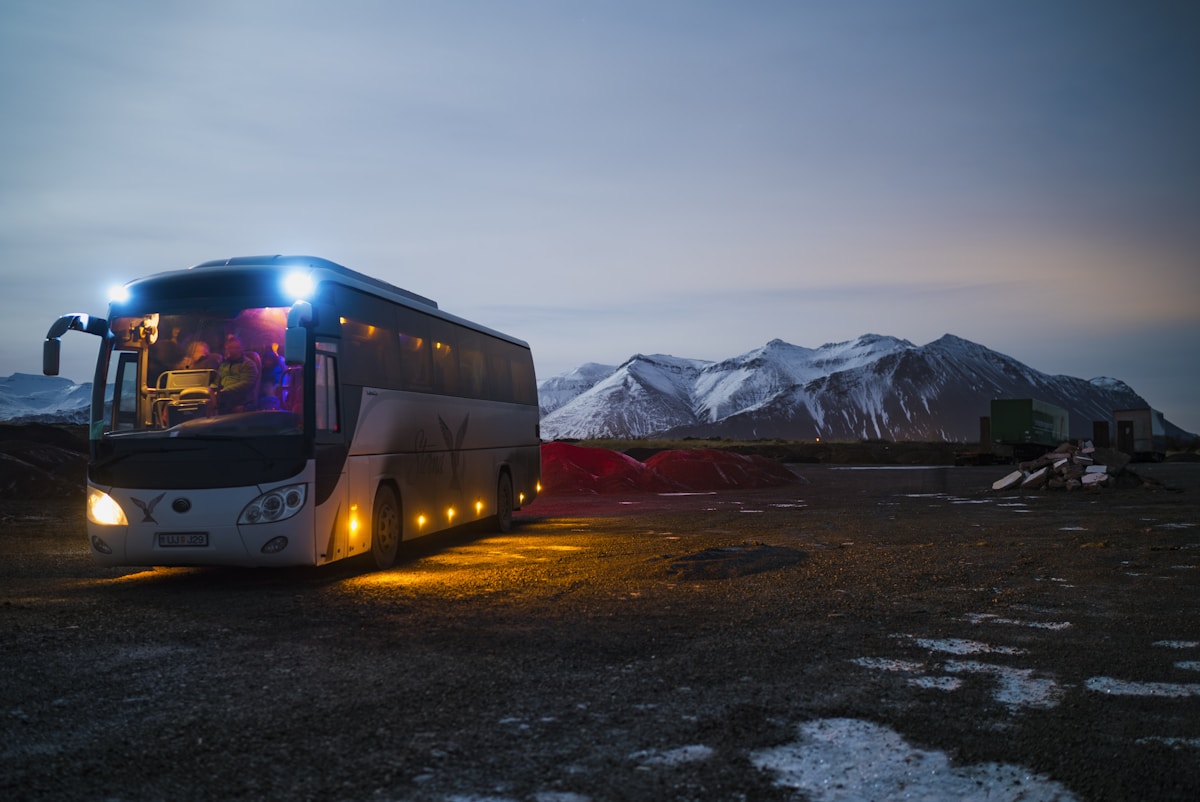
Analysis from The Guardian reveals that soaring fuel costs are accelerating the push toward electric buses across Australian cities. What was once a climate policy debate has become a budget necessity. Transport operators can no longer afford diesel at current prices, making electric vehicles the cheaper option.
Mate, this is what happens when you ignore strategic fuel reserves for decades. Australia imports more than 90% of its refined fuel, leaving the country vulnerable to every global price shock and supply disruption. Successive governments warned about this vulnerability. They held inquiries. They commissioned reports. Then they did basically nothing.
Now the bill is coming due. Construction projects across the country are facing diesel-related cost blowouts. Roads, housing developments, and major infrastructure works all depend on diesel-powered heavy machinery. As fuel prices surge, these projects are hemorrhaging money.
The rapid shift toward electric buses might sound like good news for climate advocates, but the motivation is purely economic. Transit agencies are being forced to make capital investments in new electric fleets not because they want to reduce emissions, but because they literally can't afford to keep running diesel buses.
Canberra has maintained minimal fuel reserves compared to other developed nations, gambling that global markets would remain stable and shipping lanes open. That bet is looking increasingly shaky as geopolitical tensions disrupt oil supplies and drive prices higher.
The fuel crisis is also exposing Australia's broader energy policy failures. Despite being a resource-rich nation with abundant sun and wind, the country has dragged its feet on renewable energy deployment and transport electrification. Now economic reality is forcing changes that decades of climate advocacy couldn't achieve.
Transport analysts warn this is just the beginning. If diesel prices remain elevated or climb further, the economic impact will ripple through every sector of the Australian economy, from agriculture to mining to retail distribution. The tyranny of distance that defines Australian geography becomes exponentially more expensive when fuel costs soar.