

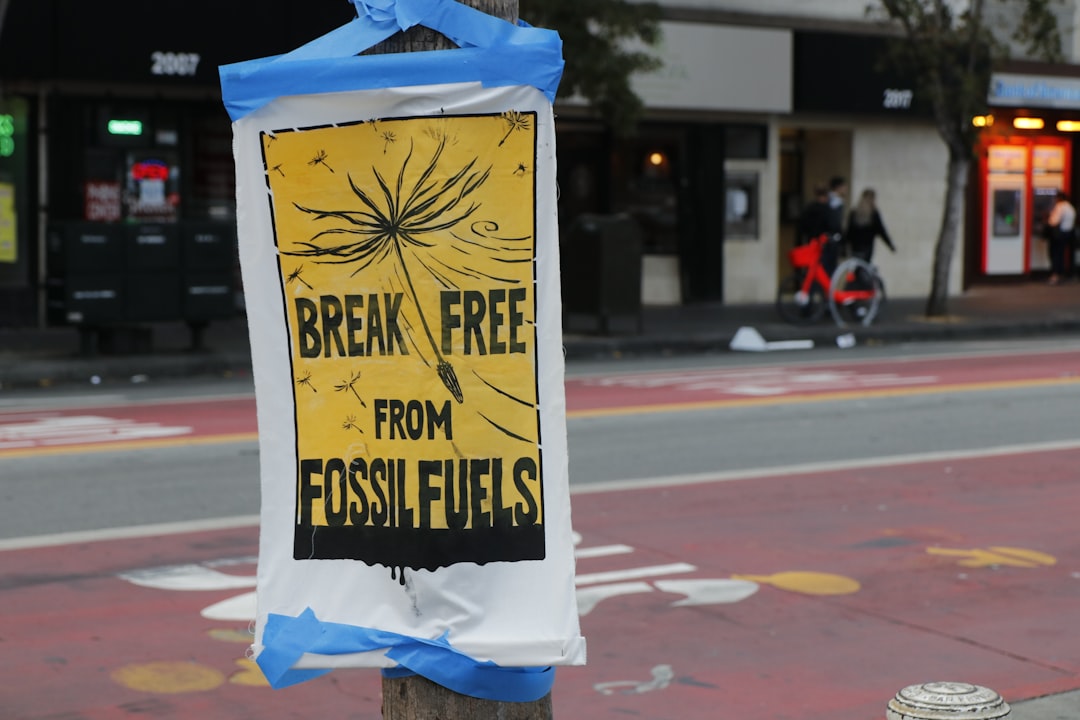
Australian governments are subsidising fossil fuel use at more than $30,000 every minute - even as low-lying Pacific Island nations face existential threats from climate change driven by those same fossil fuels.
New analysis reported by The Guardian exposes the staggering scale of Australia's continued support for the fossil fuel industry, raising fundamental questions about the country's relationship with its Pacific neighbours.
Mate, there's a whole continent and a thousand islands down here. And right now, some of those islands are literally going underwater while Australia keeps shoveling money at the industry causing the problem.
The subsidies add up to billions of dollars annually in support for fossil fuel extraction, consumption, and exports. This comes at a time when Pacific Island leaders are pleading with developed nations - particularly Australia - to take meaningful action on climate change.
Nations like Tuvalu, Kiribati, and the Marshall Islands face an existential threat from sea level rise. Their leaders have been clear: this isn't an abstract policy debate. It's about whether their countries will continue to exist.
Australia positions itself as a Pacific partner. The government talks constantly about its commitment to Pacific Island nations, especially as China increases its influence in the region. Prime Minister Anthony Albanese has made Pacific engagement a foreign policy priority.
But what does that partnership mean when Australia simultaneously subsidises the fossil fuels that are drowning Pacific nations? When the country continues to approve new coal and gas projects while Pacific leaders beg for climate action?
The contrast is stark. Australia provides development assistance to Pacific nations - often to help them adapt to climate impacts. But that same government is funding the fossil fuel industry that creates those impacts in the first place.


