

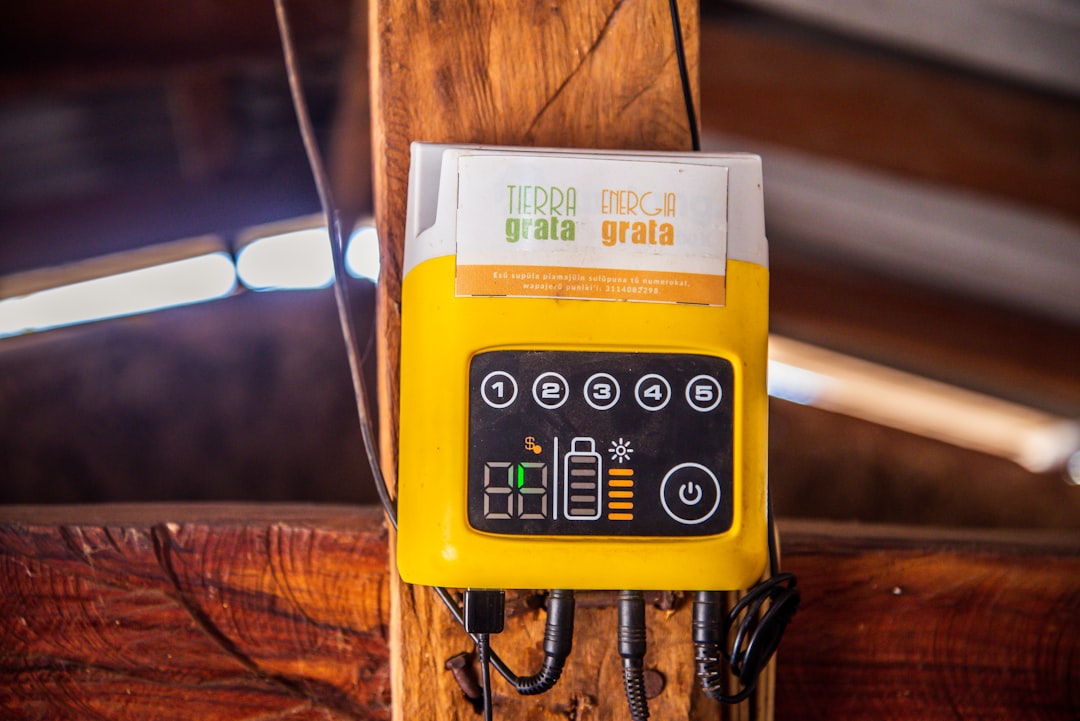
Australian households are shifting from rooftop solar to home battery systems as government subsidies drive explosive demand.
According to the ABC, battery installations are "strapping on a rocket" as solar panel uptake plateaus, marking a new phase in Australia's energy transition and grid transformation.
Mate, Australia has led the world in household solar adoption - one in three homes has panels on the roof. But solar alone has a fundamental limitation: it only generates power when the sun shines. Batteries solve that problem by storing excess solar energy for use at night.
The battery boom is being fueled by state and federal subsidies that bring down the upfront cost. Previously, home batteries were expensive enough that only committed environmentalists or off-grid enthusiasts would install them. Now they're becoming economically viable for average households.
This matters for grid stability. When millions of households can store solar energy and release it during evening peak demand, it reduces pressure on coal and gas power plants. It also helps solve one of renewable energy's biggest challenges - matching supply with demand.
The energy transition is happening faster in Australia than almost anywhere else in the world. Cheap rooftop solar, abundant sunshine, and now affordable batteries are creating a decentralised energy system that's fundamentally different from the centralised coal-fired model that dominated for a century.
But there are challenges. Battery chemistry involves lithium and other minerals with their own environmental and social costs. The grid infrastructure needs upgrading to handle two-way energy flows. And subsidies can't last forever - eventually batteries need to stack up economically on their own.
Still, the trajectory is clear. Australia pioneered household solar at scale. Now it's doing the same with battery storage. For a country blessed with sun and cursed with high electricity prices, it's a transition that makes economic and environmental sense.
The question is whether the grid can adapt fast enough to the transformation happening on Australian rooftops.



