
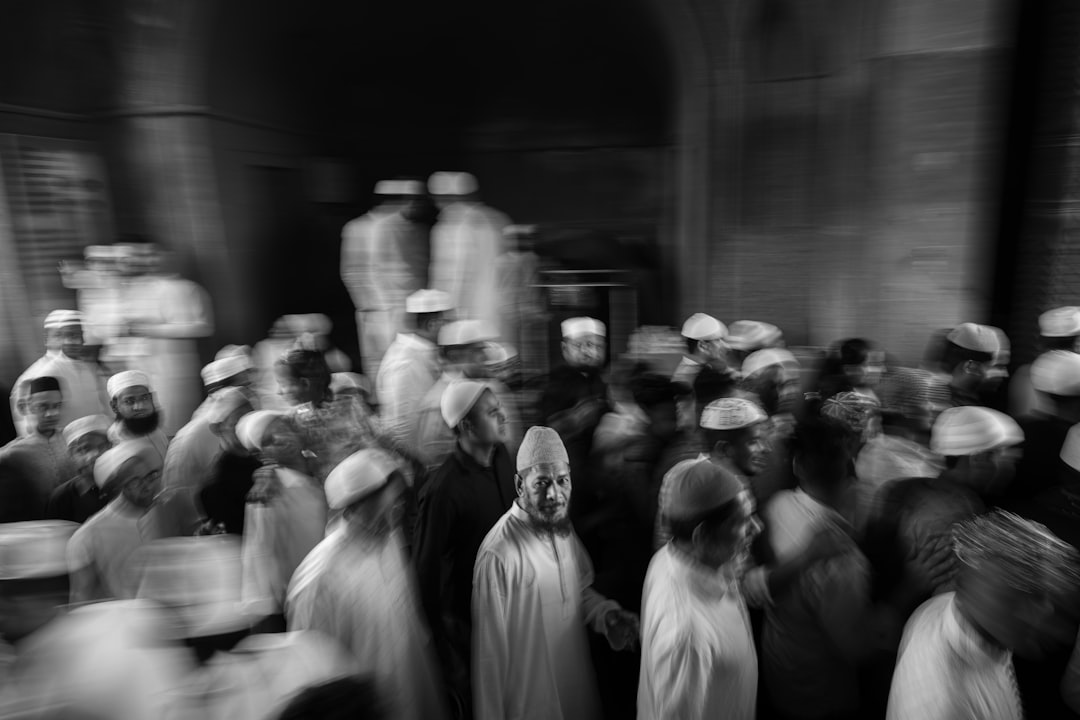
Assam Chief Minister Himanta Biswa Sarma declared that Miya Muslims—a historically marginalized Bengali-speaking Muslim community—are not enemies of the BJP, marking a stark rhetorical shift just months before state elections and raising questions about whether this represents genuine outreach or cynical electoral calculation.
Speaking to The Hindu, Sarma softened his tone toward a community his administration has targeted with citizenship verification drives, evictions, and what critics call systematic marginalization over the past five years.
A billion people aren't a statistic—they're a billion stories. For Abdul Rahman, a Miya Muslim farmer in Barpeta, the Chief Minister's words ring hollow: "Three years ago, they demolished my grandfather's house, calling us infiltrators. Now suddenly we're not enemies? What changed—our identity or the election calendar?"
The term "Miya Muslims" refers to Bengali-speaking Muslims in Assam, many descended from migrants who came during British rule. They number approximately 4-5 million and could swing election outcomes in at least 30 of Assam's 126 assembly constituencies.
Sarma, known for fiery rhetoric about illegal immigration and demographic change, has built his political brand on Assamese identity politics. His administration launched aggressive eviction drives targeting Miya Muslim settlements, updated the National Register of Citizens (NRC) that left many community members in legal limbo, and implemented citizenship verification processes critics describe as discriminatory.
Now, with elections approaching, his tone has shifted.
Is this genuine or cynical? The evidence suggests calculation over conviction.
BJP insiders, speaking on background, acknowledge the party faces a Muslim voter problem. While Assam's overall Muslim population is 34%, they're concentrated in specific districts. In previous elections, consolidated Muslim voting helped opposition Congress win key seats. If BJP can peel away even 10-15% of Miya Muslim votes, it could secure decisive victories.
Farida Begum, a schoolteacher in Dhubri, remains skeptical: "For five years they called us Bangladeshis, illegals, threats to Assamese culture. One speech doesn't erase that. Where's the apology? Where's the compensation for demolished homes?"
Political analysts see Sarma's comments as part of a broader BJP strategy to neutralize Muslim consolidation. By softening anti-Muslim rhetoric while maintaining Hindu nationalist credentials, the party hopes to appear moderate enough to attract fence-sitting voters without alienating its core base.
Sanjoy Hazarika, an Assam-based political commentator, explained: "Himanta knows he can't win Miya Muslim support wholesale. But if he can create confusion, reduce opposition turnout, or convince even a fraction to give BJP a chance, that's electoral gold."
The timing is revealing. Assam elections are expected within six months. Sarma's comments came during a public event in Barpeta—a Miya Muslim-majority district where BJP performed poorly in 2021. The symbolism is deliberate.
But words divorced from policy change feel like manipulation to many community members. Imran Ali, a student activist in Guwahati, pointed to continuing evictions: "He says we're not enemies on Tuesday. On Wednesday, bulldozers destroy Miya homes in Goalpara. Which version should we believe?"
The Miya Muslim community has faced systemic challenges for decades. Often characterized as illegal immigrants despite living in Assam for generations, they've struggled with poverty, limited political representation, and social marginalization. The BJP's rise amplified these challenges through citizenship politics and demographic rhetoric.
Sarma's government implemented policies that disproportionately affected Miya Muslims—stricter birth registration requirements, aggressive prosecution of "illegal immigrants," and eviction drives that displaced thousands. His statements about preserving "indigenous Assamese culture" were widely interpreted as coded attacks on Bengali-speaking Muslims.
Now he says they're not enemies. The whiplash is dizzying.
Muslim community leaders responded cautiously. Maulana Abdul Bari, an influential cleric in Barpeta, told reporters: "We welcome any move toward reconciliation. But trust requires action, not just words. Stop the evictions. Restore citizenship for NRC-excluded Muslims. Then we'll believe the change is real."
Opposition parties seized on Sarma's comments as proof of BJP's opportunism. Congress leader Debabrata Saikia said: "For five years they demonized Miya Muslims. Now, smelling electoral defeat, they pretend to be friends. Voters aren't fools."
The broader question is whether Assam's politics can move beyond identity-based mobilization. The state faces real challenges—youth unemployment, infrastructure deficits, climate vulnerability—that transcend religious and linguistic divisions.
For Rahman, the Barpeta farmer, the answer is simple: "I don't need them to call me their friend. I need them to treat me as an equal citizen. If they can do that—actually do that, not just say it—then maybe we can talk."
As Assam's election season begins, Sarma's comments about Miya Muslims will be tested against the reality of continued evictions, citizenship challenges, and social marginalization. If his words translate to policy changes, it could mark a significant shift. If they're merely pre-election posturing, they'll join the long list of broken promises that have defined Assam's fraught communal politics.
The Miya Muslim community, representing 4-5 million voters, will watch closely. And in six months, their ballots will deliver the verdict on whether Himanta Biswa Sarma's softened rhetoric represents genuine change or just another electoral tactic in Assam's endlessly complicated political theater.