If you thought Friday was bad, Asia just showed you what Monday is going to look like in the U.S., and it's ugly.
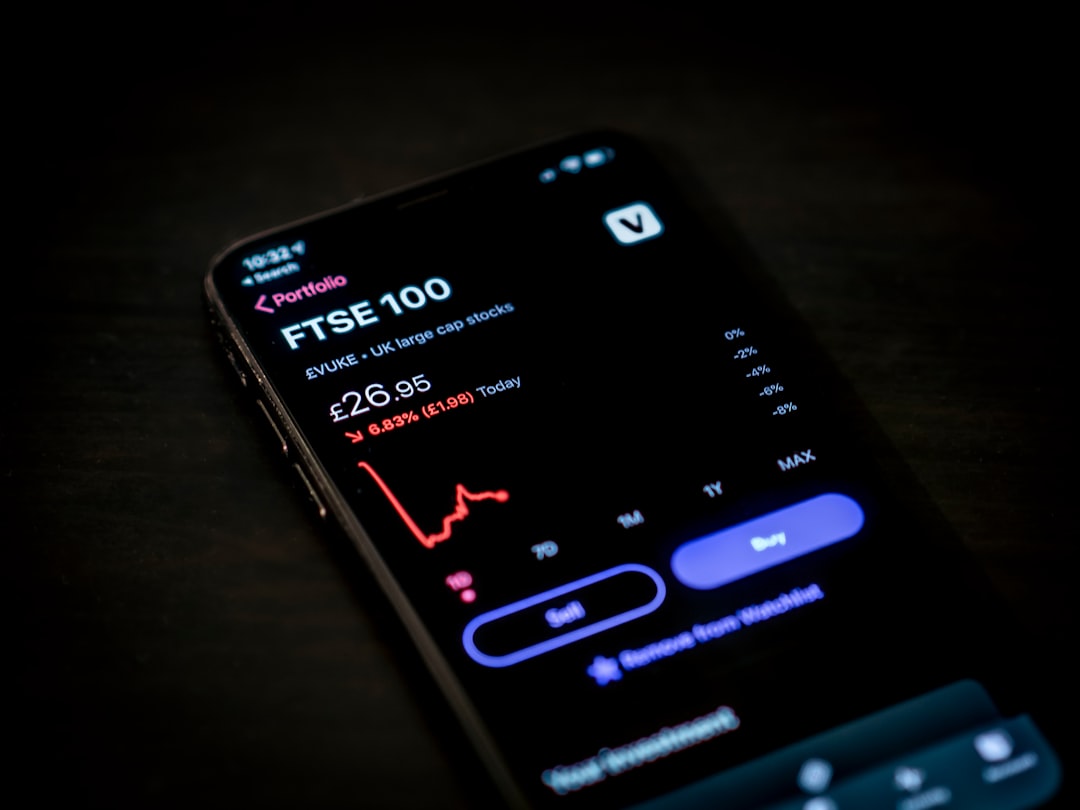
The Nikkei 225 in Japan dropped nearly 6%. South Korea's Kospi fell nearly 7%. Markets across Asia are cratering as oil prices topped $100 and the reality of a prolonged Strait of Hormuz shutdown sets in.
U.S. futures are pointing to a brutal open. Dow futures are down around 800 points as of Sunday night. The VIX—Wall Street's fear gauge—spiked above 30, which historically signals elevated fear and uncertainty.
Here's what you need to know. First, Asia tanked first because of time zones. Their markets opened while the U.S. was still sleeping off the weekend. But it's also because Asian economies are far more dependent on Middle East oil than the U.S. is. Japan, South Korea, China—they all import massive amounts of crude through the Strait of Hormuz. When that route shuts down, their economies take the direct hit.
Second, a VIX above 30 is worth paying attention to. Historically, the VIX spiking above 30 has been one of the most reliable buy signals in the market. It doesn't mean the bottom is in right now, but it does mean we're in the zone where panic selling tends to create opportunities.
The S&P 500 is down roughly 10% if futures hold at current levels, which would put it at around 627. That's correction territory. Not a bear market yet, but getting close. And here's the thing: 10% corrections happen almost every year. They're normal. They're not fun, but they're normal.
The difference this time is the catalyst. Most corrections are driven by Fed policy, earnings misses, or general jitters. This one is driven by a . Oil is the lifeblood of the global economy. When it spikes 35% in a week, everything else gets repriced.