
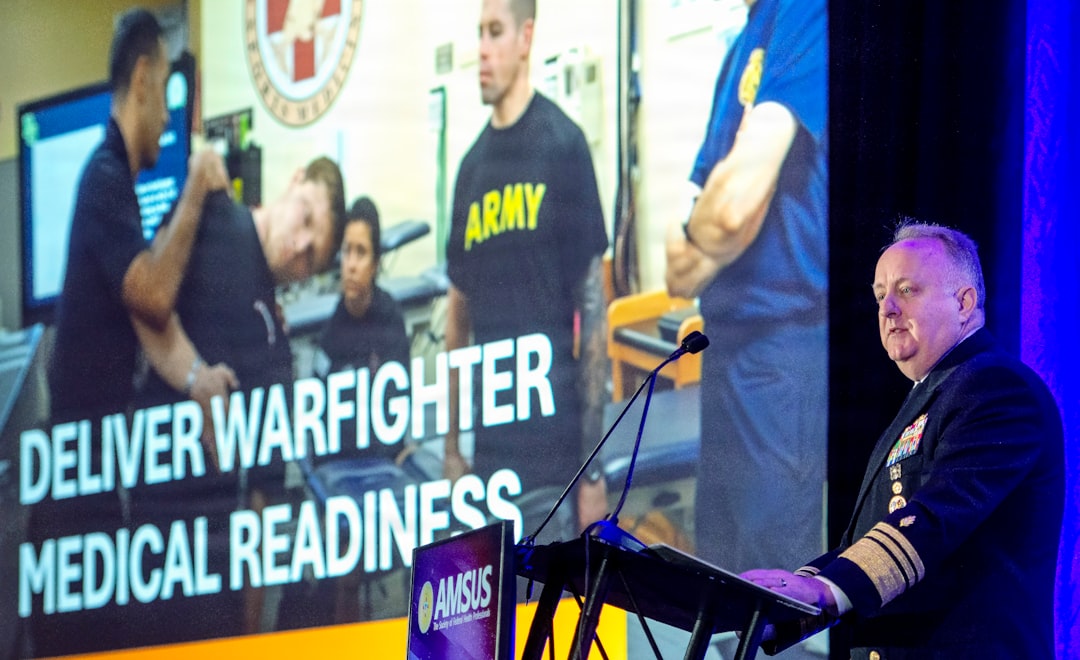
The U.S. Army has canceled at least 34 medical training courses for the remainder of fiscal year 2026 as the service grapples with a projected $4-6 billion funding shortfall driven largely by the cost of military operations in Iran, according to internal documents reviewed by ABC News.
The cuts affect critical specialties including combat casualty care, helicopter medical evacuation unit command, behavioral science, food safety inspection, and radioactive environment operations. Leadership and certification courses for senior medical officers have also been suspended, potentially creating gaps in the Army's medical readiness pipeline for years to come.
The budget crisis stems from multiple factors beyond the service's control. The Iran conflict has cost an estimated $29 billion and counting, while a 76-day Department of Homeland Security shutdown cost the Army nearly $2 billion in delayed transfers and operational disruptions. Skyrocketing fuel costs have compounded the problem, as has the ongoing National Guard deployment to Washington, D.C., projected to cost $1.1 billion annually—potentially doubling if extended.
"The service issued guidance to make tough and sound resource decisions that optimize and prioritize resources toward their most critical requirements," an Army spokesperson said in a statement, declining to specify which programs were deemed less critical than others.
The immediate operational impact is already visible. The Army's III Armored Corps reported that helicopter units scheduled to deploy to Europe next year will operate at "a lower state of readiness," with pilot training effectively frozen except for minimum flight hour requirements. The service diverted $26.6 million from ground combat training to maintain helicopter operations at minimal levels.
For Army medical personnel, the cuts create professional development bottlenecks. Officers expecting to attend leadership courses required for promotion may see their careers stall. Enlisted medics counting on specialized training to maintain certification could face gaps in credentials. And units preparing for deployment may lack personnel trained in the latest combat medicine protocols.
The Pentagon has faced this dilemma before—balancing current war costs against long-term readiness—but the scope of the current shortfall is unusual for a service not engaged in a congressionally authorized war. The Army's budget was set before the operations began, meaning every dollar spent on current combat comes directly from accounts intended for training, maintenance, and personnel development.