

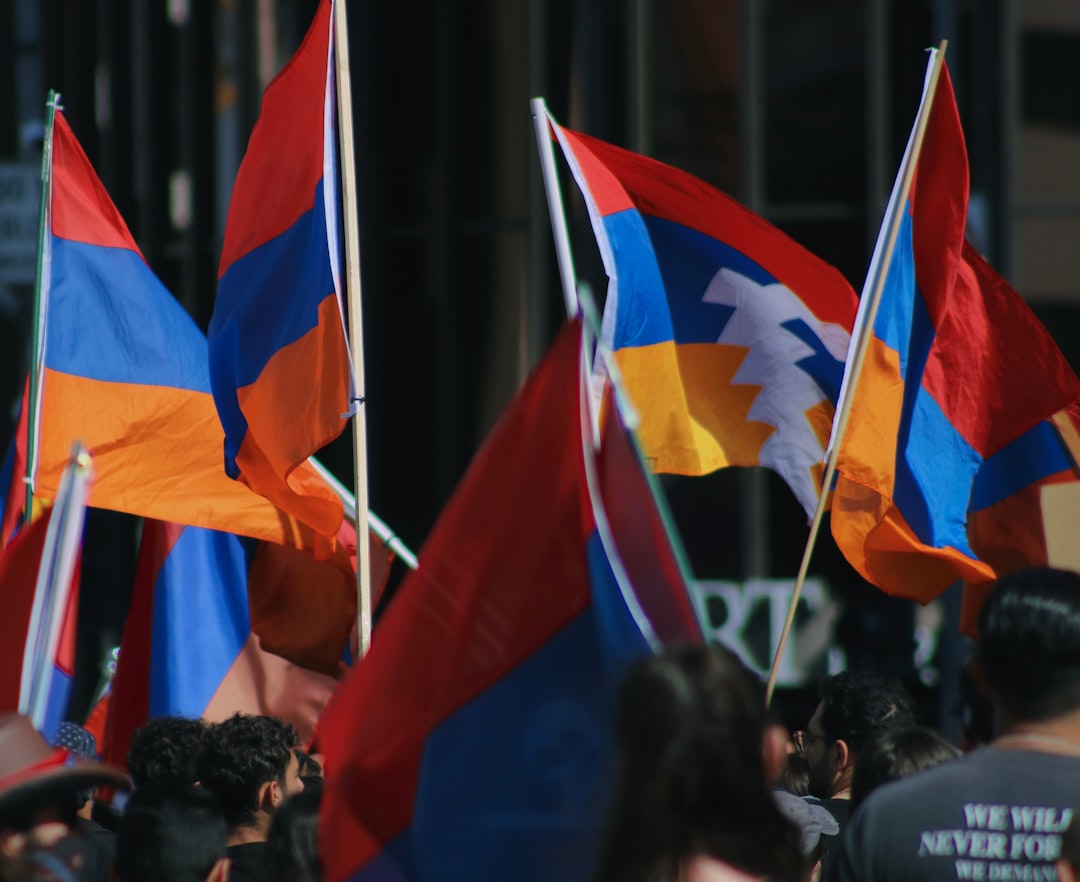
Armenia is deploying what analysts characterize as a "smart power" strategy—combining soft diplomacy, cultural initiatives, and strategic messaging—to navigate its precarious geopolitical position following military defeats and the loss of Nagorno-Karabakh, according to analysis by EVN Report.
The approach reflects the strategic dilemma facing small states caught between larger powers: when military force and traditional alliances fail, can diplomatic creativity and international engagement provide alternative paths to security and influence?
For Armenia, the stakes are existential. The country emerged from the 2020 Nagorno-Karabakh war militarily weakened, diplomatically isolated from traditional ally Russia, and facing continued pressure from Azerbaijan and Turkey. The September 2023 Azerbaijani offensive that ended ethnic Armenian control of Nagorno-Karabakh demonstrated that neither Russian security guarantees nor international condemnation could prevent military facts on the ground.
In this environment, Prime Minister Nikol Pashinyan's government has pivoted toward what foreign policy scholars term "smart power"—the strategic use of diplomatic, cultural, economic, and informational tools to advance national interests when hard power options are limited or ineffective.
The strategy manifests in multiple dimensions. Armenia has intensified engagement with European institutions, positioning itself as a democratic outlier in a region dominated by authoritarian governance. While Azerbaijan and neighboring states maintain restrictive political systems, Yerevan has cultivated an image as a reforming democracy committed to rule of law, press freedom, and civil society—qualities that resonate with European policymakers even if they have not translated into security commitments.
Cultural diplomacy has become another pillar. has leveraged its global diaspora—estimated at 7-10 million people, significantly larger than the country's 3 million domestic population—to shape international perceptions and mobilize support. Diaspora communities in , , and elsewhere have proven effective at raising awareness of Armenian perspectives on regional conflicts and influencing policy discussions in their respective countries.


