

Lithium prices in China have skyrocketed to approximately $20,000 per ton - double the 2025 average - breathing new life into Argentina's lithium sector and testing whether President Javier Milei's commodity-dependent economic strategy can deliver sustainable growth or simply repeat Latin America's historical resource curse.
The price surge, reported by Bloomberg Línea, began in November and has already doubled from $10,000 per ton. Market analysts point to recovering battery demand, supply constraints from previous production cuts, and China's suspension of domestic mining operations as key drivers.
For Argentina, which currently produces nearly 130,000 tons annually and exported $905 million worth of lithium carbonate in 2025 - a 40.3% increase - this represents a potential windfall. China absorbed 73% of those exports, making Argentina deeply dependent on Chinese demand and pricing.
But specialists urge caution. Contracts for local producers typically reset quarterly rather than monthly, meaning price gains will materialize gradually rather than immediately. One market observer noted that "higher prices could accelerate preliminary-phase lithium projects and increase investment momentum," reversing recent capital flight triggered by the mineral's collapse since 2023.
This is the paradox of Argentina's lithium boom: it could finance Milei's radical economic restructuring, providing desperately needed export revenue and foreign investment. Or it could become another chapter in Latin America's long history of resource-dependent economies that boom during commodity supercycles and crash when prices inevitably fall.
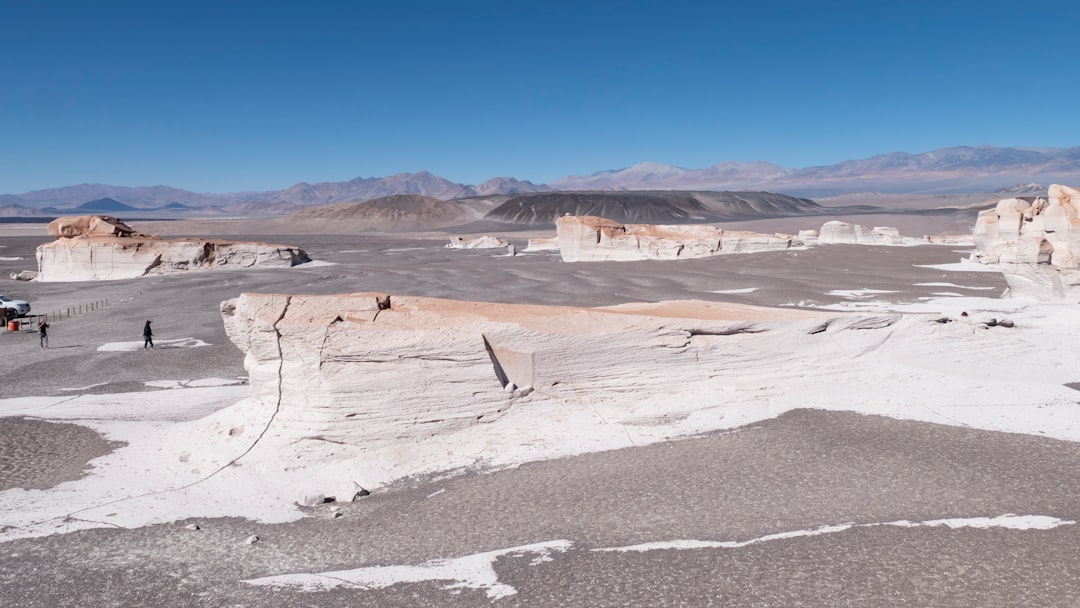
Argentina sits on some of the world's largest lithium reserves, concentrated in the high-altitude salt flats of Catamarca, Salta, and Jujuy provinces. The "lithium triangle" shared with Chile and Bolivia contains an estimated 60% of global reserves. Geography gave Argentina this advantage; the question is whether policy can turn it into lasting prosperity.
Milei's libertarian economic program - slashing government spending, deregulating industries, and betting on export-led growth - makes lithium central to his vision. If prices stay high, lithium exports can generate the foreign currency reserves Argentina needs to stabilize its chronic inflation and currency crises. If prices crash again, Milei's entire economic model faces a crisis.
The resource curse is real in Latin America. Venezuela had oil; it brought authoritarian populism and economic collapse. Chile has copper; it built one of the region's most stable economies but still struggles with inequality rooted in extractive industries. Bolivia has lithium too, and has failed for decades to translate reserves into development, trapped in political instability and lack of technical capacity.
Argentina's challenge is to avoid Venezuela's fate and emulate Chile's discipline. That requires using lithium revenue not for short-term consumption or political patronage, but for infrastructure, education, and industrial diversification that can sustain the economy when the lithium boom ends - because commodity booms always end.
There's also a geopolitical dimension. China buying 73% of Argentina's lithium gives Beijing enormous leverage over the country's economic future. If China's battery industry shifts, or if geopolitical tensions disrupt trade, Argentina has no backup plan. Dependence on a single buyer for a single commodity is vulnerability masquerading as economic strategy.
The price surge could also accelerate environmental and social conflicts. Lithium extraction in the high-altitude salt flats consumes enormous amounts of water in regions where indigenous communities depend on scarce water resources for agriculture and survival. Previous lithium booms have sparked protests from communities who see profits flowing to foreign companies while their water disappears.
Milei has bet Argentina's future on market forces and export competitiveness. The lithium price surge is a test of that bet. If he can channel the revenue into structural reforms - stabilizing the currency, reducing debt, building infrastructure - the boom could be transformative. If the money disappears into the same old patterns of corruption and mismanagement, it will be just another missed opportunity.
Twenty countries, 650 million people, and Latin America has seen this movie before. The question isn't whether lithium prices will rise - they just did. The question is whether Argentina can finally break the resource curse and build an economy that works even when commodity prices don't.
Somos nuestra propia historia - but we keep writing the same chapter unless we learn from it.



