Argentina's monthly inflation rate dropped to 2.1% in May, the lowest level in eight months and a significant victory for President Javier Milei's radical economic program—even as the numbers reveal a deeply divided economy where winners and losers grow further apart.
The May figure, reported by Bloomberg, came in below the 2.4% median economist forecast and marks a recovery from the March spike driven by the Iran conflict's energy shock. Annual inflation edged up slightly to 33.2% from April's 32.4%, but the monthly trajectory suggests the chainsaw-wielding libertarian president's austerity measures are gaining traction.
In Argentina, as across nations blessed and cursed by potential, the gap between what could be and what is defines the national psychology. Milei's shock therapy is closing that gap in some sectors while widening it dramatically in others, creating what economists call a "two-speed economy" that threatens the social fabric even as it delivers macroeconomic results.
Agricultural Boom, Industrial Bust
The economic divergence is stark and quantifiable. Argentina's agricultural export sector surged 25% year-over-year, driven by favorable commodity prices and the devalued peso making Argentine soybeans, wheat, and beef competitive on global markets. The Vaca Muerta shale formation's oil production continues expanding, with a $3 billion pipeline project expected to double export capacity to 930,000 barrels per day by late 2026.
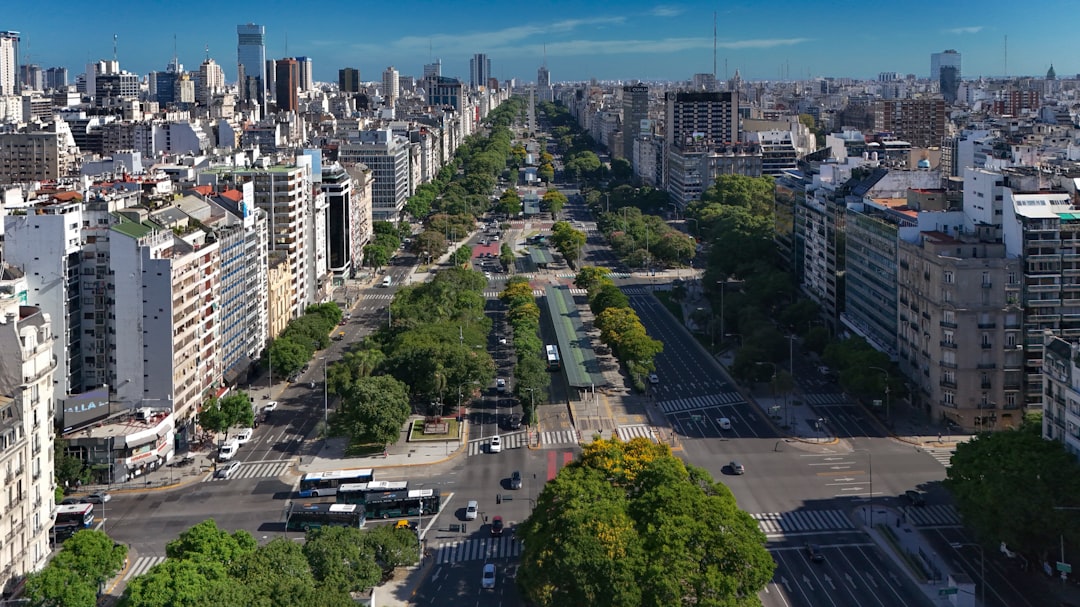
But domestic-facing sectors tell a different story. Manufacturing output fell 2.6% while retail sales dropped 3.2%, reflecting the brutal adjustment costs of Milei's program. Middle-class Argentines in Buenos Aires face squeezed purchasing power even as agro-exporters in the provinces celebrate their best margins in years.
"If you're in agro-export you're thriving. If you're in domestic manufacturing or retail, you're drowning," noted one economist on social media. "This isn't sustainable."
The sustainability question haunts Milei's presidency. His libertarian ideology rejects the Peronist cycle of expansion, crisis, and populist rescue—the recurring pattern that has defined Argentine politics since the 1940s. But dismantling that cycle requires enduring pain that Argentine democracy has historically been unwilling to bear for long.
Debt Dynamics and Growth Projections
Argentina faces $19 billion in sovereign debt maturities this year, a pressure point that will test whether international markets believe in Milei's fiscal discipline. The administration hopes to issue new international debt to refinance upcoming payments, but success depends on continued progress lowering the country risk premium that makes Argentine bonds among the world's highest-yielding—and riskiest.
Growth projections vary widely depending on which institution and methodology you trust. The IMF forecasts 4% GDP growth for 2026, unusually optimistic for an economy undergoing adjustment. The OECD offers a more conservative 3% estimate, while the Central Bank's survey of private sector economists shows consensus at 3.4%.
The range itself reveals the uncertainty. Argentina's economy remains capable of surprising on both upside and downside, a volatility that reflects deep structural problems Milei inherited but has not yet resolved.
Political Sustainability
The president's approval ratings remain surprisingly resilient given the economic pain, suggesting Argentines exhausted by decades of inflation and crisis may grant him more time than they gave predecessors. Provincial governors, traditionally power brokers in Argentina's federal system, have mostly cooperated with austerity measures affecting their budgets—a notable departure from past reform attempts.
But patience has limits, and the two-speed economy creates political tensions. Buenos Aires province, home to nearly 40% of Argentina's population, straddles both worlds—port zones connected to global trade thrive while inland manufacturing towns struggle. Managing that divide while maintaining fiscal discipline will test Milei's political skills as much as his economic theories.
In a country where monthly inflation of 2% still annualizes to roughly 28%—a rate that would constitute a crisis in any developed economy—the lowered expectations reveal how far Argentina has fallen from its early 20th century status as one of the world's richest nations. That Milei can claim victory with such numbers shows both the depth of Argentina's problems and the modest ambitions forced upon its leaders.
The question now is whether this latest attempt to break Argentina's boom-bust cycle will succeed where so many others have failed, or whether the political costs of economic adjustment will once again prove too high for a democracy to bear. The next six months, with their debt refinancing challenges and continued austerity, will provide crucial evidence.